
Combining Yoga and Calisthenics for Senior Flexibility and Strength
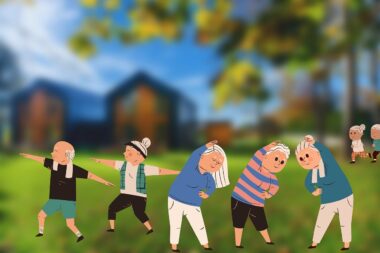
As seniors age, maintaining physical health becomes crucial for overall well-being. Combining yoga and calisthenics can offer numerous benefits tailored to their needs. This approach fosters increased flexibility and strength, crucial for older adults who may experience muscle loss and joint stiffness. Yoga emphasizes breathing, balance, and stretching, while calisthenics promotes strength without heavy equipment. Working with both disciplines creates a comprehensive fitness routine. This combination decreases the risk of falls, enhances mobility, and improves physical performance. Creating a balanced program allows seniors to focus on their unique limitations while helping them advance gradually. Importantly, both practices support mental health. A calmer mind can translate into better physical health outcomes. The incorporation of breathing techniques found in yoga reduces anxiety, anxiety can increase as individuals navigate aging changes. Therefore, this holistic approach enhances physical strength and promotes emotional resilience. The customizability of such programs allows trainers and participants to develop individualized routines within a community setting. By fostering a supportive environment, seniors can find joy in exercising. With encouragement and the right guidance, they can achieve remarkable improvements in their strength and flexibility.
Benefits of Yoga for Seniors
Yoga provides a multitude of benefits specifically catered to seniors, emphasizing the importance of maintaining flexibility and balance. With age, our bodies become stiffer, making yoga an essential discipline for improving range of motion. Certain yoga poses, such as Downward Dog and Cat-Cow, particularly enhance spinal flexibility. Maintaining flexible joints can significantly reduce the risk of injury, especially in daily activities. Furthermore, yoga fosters increased body awareness, helping individuals recognize their physical limits and capabilities. Practicing mindfulness is another crucial aspect of yoga that assists seniors in connecting mentally to their bodies, thus improving coordination. In addition, consistent practice can alleviate chronic pain, a common ailment among older adults. Through gentle stretching and strengthening poses, many seniors find relief from discomfort associated with conditions such as arthritis or lower back pain. Moreover, the emphasis on deep breathing techniques enhances lung capacity, which is beneficial as it promotes improved circulation and oxygen flow throughout the body. The calming nature of yoga encourages relaxation, contributing to decreased stress and anxiety levels. Being part of a group setting can also cultivate social engagement, reducing feelings of loneliness that seniors may experience.
Calisthenics, which involves bodyweight exercises, allows seniors to maintain strength without the risk that comes from heavy lifting. This functional strength is essential for everyday activities, enabling them to perform tasks such as lifting groceries or climbing stairs more efficiently. Basic calisthenics movements, like squats, lunges, and push-ups, can be modified to suit individual abilities or limitations. Adaptations make it possible for everyone, regardless of fitness levels, to partake in these exercises safely. Emphasizing core strength is crucial, as a strong core enhances balance and stability, further reducing fall risk. Additionally, seniors can incorporate resistance bands or their own body weight to increase difficulty progressively. This adaptability keeps the workout both challenging and enjoyable. Regular engagement in calisthenics also improves cardiovascular health, contributing to heartbeat regulation and stamina. The incorporation of such exercises into daily routines promotes independence, which is vital for maintaining quality of life. Together, yoga and calisthenics empower seniors to regain control, encouraging them to take charge of their physical fitness. Adopting a positive mindset surrounding these activities can also foster resilience, encouraging participants to continue pushing their limits and ultimately enhancing their functional capacities.
Creating a Balanced Routine
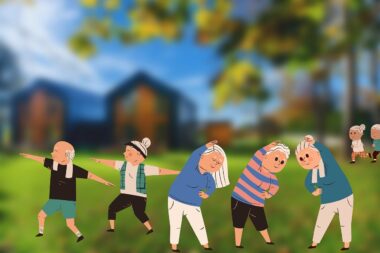
Developing a balanced fitness routine combining both yoga and calisthenics is essential for reaping maximum benefits. A well-rounded schedule typically includes both strength and flexibility training, which promotes joint health and enhances muscle tone. It’s advisable to start with shorter sessions and gradually increase duration as fitness levels improve. Seniors can begin with a 30-minute session, incorporating a mix of yoga poses and calisthenics exercises. For example, participants might perform a series of sun salutations followed by bodyweight squats or modified push-ups. Structuring workouts this way provides a seamless flow of movements that promote heart health while enhancing muscular endurance. Incorporating variety during workouts can help prevent boredom, increasing adherence to the routine. Furthermore, incorporating activities like walking or dancing provides an enjoyable way to stay active outside structured sessions. Setting achievable goals is crucial, inspiring seniors to stay committed to their fitness journeys. Celebrating milestones like improved flexibility or increased strength fosters motivation. Alongside physical pursuits, hydration and nutrition are also pivotal components of effective routines. Access to healthy meal suggestions can support fitness goals and ensure that seniors are adequately nourished.
A critical aspect of engaging seniors in a yoga and calisthenics routine is ensuring safety during workouts. Proper instruction is paramount to avoid injury and enhance awareness of modifications. Utilizing props such as blocks and straps can also help participants maneuver through poses safely. Providing thorough guidance will ensure movements are performed correctly, thus mitigating potential risks. Focusing on proper posture during exercises is another way to ensure safety while promoting effectiveness. Seniors should prioritize listening to their bodies, recognizing signs of discomfort, and adjusting movements as necessary. Encouraging participants to take breaks when needed is essential in maintaining a safe environment. Furthermore, creating a non-competitive atmosphere fosters inclusivity, allowing seniors to progress at their own pace while focusing on personal improvements. Regular check-ins during classes can help trainers identify which participants might need extra support or adjustments. Additionally, thoroughly warming up before starting workouts can prepare muscles and joints for more demanding movements, reducing strain. Cool-down routines, incorporating gentle stretching, allow for muscle recovery and relaxation after workouts. Monitoring physical limits will make each session more enjoyable while ensuring consistent progress over time. Through a well-structured routine, seniors can adapt positively.
Community and Social Aspects
One often-overlooked aspect of combining calisthenics and yoga for seniors is the community and social interaction that emerges during classes. Engaging with others fosters motivation and accountability, supporting adherence to fitness routines. Creating a welcoming environment encourages participants to form bonds over shared experiences, enhancing their overall well-being. Group classes can provide a source of social connection that helps combat feelings of isolation, often associated with aging. Building friendships through these classes promotes a supportive network, fostering a sense of belonging. Encouraging conversations among participants before and after sessions also helps strengthen those relationships. Celebrating each other’s successes creates a motivating environment, reinforcing commitment to individual goals. Additionally, when seniors witness their peers achieving milestones, they are often more compelled to work toward their own targets. Offering workshops or social events can further nurture these connections, emphasizing the importance of community involvement in maintaining physical and mental health. Creating opportunities for participants to share their experiences and insights helps foster a collaborative learning atmosphere. As seniors begin to recognize the importance of support networks, they can reinforce their resilience and encourage a lifetime of healthy habits.
In conclusion, blending yoga and calisthenics can significantly contribute to improved strength and flexibility in seniors. Both practices provide unique benefits, addressing the specific needs of older adults who seek a functional approach to fitness. Through regular participation in structured sessions, seniors can enhance physical performance while safeguarding against injury. The importance of creating adaptable routines cannot be overstated, as every individual has different needs and requirements. Though improvement may take time, celebrating progress along the way is key to maintaining motivation. Furthermore, tapping into the communal aspects of these workouts fosters bonds among participants, creating an inviting and supportive atmosphere for all. As seniors engage in these exercises, they should keep their specific limitations in mind and adjust accordingly. Combining these two disciplines overall promotes a holistic lifestyle, encouraging seniors to lead active and fulfilling lives. When focusing on progressive improvements, seniors contribute to both physical and mental wellness. Thus, the integration of yoga and calisthenics can play a vital role in aging gracefully, contributing positively to overall quality of life. Ultimately, with guidance, encouragement, and consistent effort, seniors can cultivate a sustainable and enjoyable fitness routine.