
The Importance of Recovery in Calisthenics
Calisthenics is a physically demanding form of exercise that emphasizes movement quality. Recovery from any injuries incurred during these workouts is crucial to maintaining an effective training regimen. Adopting effective recovery techniques can prevent minor injuries from becoming serious setbacks. Adequate recovery not only promotes muscle growth but also enhances overall performance. Each athlete must recognize their body’s signals and adjust their training load accordingly to minimize risks associated with overtraining. This adjustment can mean taking a break, modifying workouts, or engaging in restorative practices. Skipping recovery can lead to prolonged muscle fatigue or stress injuries, limiting your physical capabilities. Implementing structured recovery routines encourages muscle repair and supports injury prevention. Techniques may include stretching, hydration, and appropriate nutrition. Listening to your body is paramount, and regular health check-ups can provide insights into your recovery progress. Prioritize recovery days, as they are just as essential as training days. Building a stronger foundation through recovery can lead to improved skills in calisthenics and overall well-being.
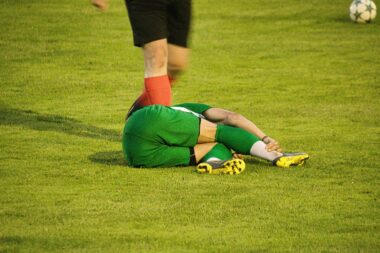
Among the most common calisthenics injuries are strains and sprains. These injuries can occur in various muscle groups and joints due to improper technique or inadequate warm-up routines. Techniques using bodyweight for resistance can place considerable stress on muscles, particularly if proper form is not maintained. Preventative measures should be prioritized, such as ensuring adequate warm-ups and appropriate exercise selections. Efforts to strengthen supporting muscles through diverse routines can also reduce injury risks. Additionally, listening to your body is critical: any signs of discomfort should urge immediate attention to injury management. Athletes should also be educated on the importance of gradual progression through various exercises. A common misconception is that pushing through discomfort leads to more significant gains; instead, this can severely impair overall physical health. Ensuring proper recovery techniques, such as gentle stretching and ice application, helps manage pain. Daily Focusing on balanced strength training can assist muscle growth and enhance your workout effectiveness. Engage with professionals if you experience persistent pain; they help improve technique and provide personalized recovery strategies.
Effective Stretching Techniques
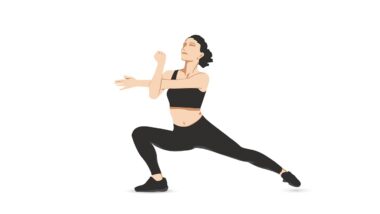
Stretching plays a vital role in recovery from calisthenics-related injuries, keeping muscles flexible and enhancing mobility. Dynamic stretching before workouts prepares the body for the movements ahead, while static stretching post-exercise promotes muscle relaxation. Target areas most affected by a workout, dedicating time to stretching them thoroughly. To get familiar with effective stretches, consider utilizing both active and passive stretching techniques. For instance, the standing quad stretch can benefit the hip flexors, while the seated hamstring stretch aids the posterior chain. Combining these techniques optimally promotes better range of motion and prevents future injuries. Regularly incorporating yoga or Pilates can also enhance flexibility and facilitate recovery through mindful movement. Make sure to synchronize your breathing with your stretches, focusing on relaxation. Consistent practice ultimately leads to improved performance in calisthenics workouts. Additionally, stretching may help to alleviate soreness, reducing overall muscle tension after intense training sessions. Understanding your body’s unique needs is paramount; tailoring your routines according to personal experience promotes greater recovery effectiveness and overall strength gains.
Incorporating rest days into your training routine is also paramount for recovery. Too many consecutive workout sessions can be detrimental, leading to fatigue and increasing injury risks. A common strategy is to implement a schedule that includes low-impact activities, allowing your muscles to recuperate while still staying active. Engaging in restorative activities like swimming, cycling, or foam rolling can help enhance blood flow to the muscles, reducing soreness. Additionally, proper sleep hygiene is essential to recovery; ensure you get quality rest each night. Sleep allows the body to repair itself and build muscle, which is vital for progress in calisthenics. Focus on creating a sleep environment that minimizes distractions and maximizes comfort. Nutritional factors also significantly contribute to recovery; consuming post-workout meals rich in protein can expedite muscle repair. Staying hydrated is critical, and sometimes athletes overlook this crucial aspect. Rest days do not equate to inactivity; they’re opportunities to engage in light activity that promotes healing while keeping the body engaged gently. Ultimately, well-structured rest supports better performance in your calisthenics regimen.
The Role of Nutrition in Recovery
Nutrition has a profound impact on recovery from calisthenics injuries. Proper fueling is essential for muscle repair and growth following workouts. Athletes must prioritize a diet rich in carbohydrates and proteins, as they provide the necessary building blocks for recovery. Complex carbohydrates can replenish depleted energy stores, while proteins are crucial for repairing muscle fibers. Incorporating micronutrients, like vitamins and minerals from fruits and vegetables, support recovery by reducing inflammation and bolstering the immune system. Consider including omega-3 fatty acids, well-known for their anti-inflammatory properties, enhancing recovery. Nutritional timing is another essential aspect; consuming a meal or snack with protein and carbohydrates soon after a workout aids in muscle repair. Additionally, staying hydrated is vital to maintaining optimal physiological function and overall recovery. Drinking water throughout the day supports digestion and nutrient absorption. Supplements also can play a role, with options like branched-chain amino acids aiding in recovery. Athletes should consult with dietitians to develop personalized nutrition plans that cater to individual needs, ensuring they support their recovery effectively while advancing their calisthenics journey.
Another pivotal aspect of injury recovery in calisthenics is strength training and conditioning. Implementing these exercises helps build strength in the primary and supporting muscle groups involved in calisthenics movements. When returning from an injury, start with light resistance and progressively increase the intensity. A well-rounded conditioning program should include exercises targeting core stability, balance, and flexibility. Building strength helps correct imbalances and reinforces joint structures, significantly reducing injury risks. Resistance bands and bodyweight movements can be used effectively to ease back into training without overwhelming fatigued muscles. Gradually reintroducing calisthenics exercises while maintaining proper form is essential to prevent re-injury. Engage in functional training that mimics calisthenics movements, such as push-ups and dips, to enhance neuromuscular connections. Balance training, through exercises like single-leg stands, can strengthen stabilizing muscles around joints. Ensure that your training regimen includes sufficient rest between sessions, allowing muscles to recover without undue stress. Ultimately, balancing strength training with calisthenics supports sustained recovery while promoting ongoing performance improvement.
The Mental Aspects of Recovery
Mental recovery plays a significant role in the overall recovery process. Emotional well-being is deeply interconnected with physical recovery; stress can hinder healing and performance. Calisthenics athletes facing injuries can experience feelings of frustration or disappointment, which can lead to mental fatigue. Recognizing and addressing these emotions is essential for effective recovery. Mindfulness practices such as meditation, deep breathing, or visualization techniques help reduce stress and facilitate relaxation. Establishing realistic recovery goals and timelines can minimize feelings of isolation or discouragement. Consider engaging with supportive communities or forums related to calisthenics to share experiences and recovery stories. Surrounding yourself with others who understand the journey can motivate you and provide encouragement. Remember, injuries are a part of athletic life, and maintaining a positive mindset plays a crucial role in overcoming obstacles. Additionally, focus on setting new goals during your recovery journey, allowing you to stay engaged and motivated. Athletes should prioritize mental health just as much as physical health, as both are necessary for a successful calisthenics experience.
In conclusion, employing efficient recovery techniques is essential for minimizing injuries and enhancing performance in calisthenics. Understanding the significance of rest, nutrition, stretching, and training diversity creates a holistic approach to recovery. Each individual must within their capacity determine personal strategies through experience, listening to the body’s cues, and adjusting when needed. Consistently practicing individualized recovery methods nurtures progress and reduces injury risks. Creating a balanced routine that incorporates strength training, mobility work, and rest days ultimately leads to improved overall performance. Leverage professional resources, as therapists and trainers provide valuable insights on technique and recovery strategies. Engaging in community discussions centered around calisthenics allows athletes to share advice and stories leading to powerful learning experiences. Furthermore, examining mental health is equally important; healing and progress depend on maintaining a positive mental attitude. Athletes should remember that recovery is not a sign of weakness but a proactive approach to achieving long-term success in their training. By utilizing these techniques, athletes can return stronger and more resilient, ultimately propelling their calisthenics journey forward.