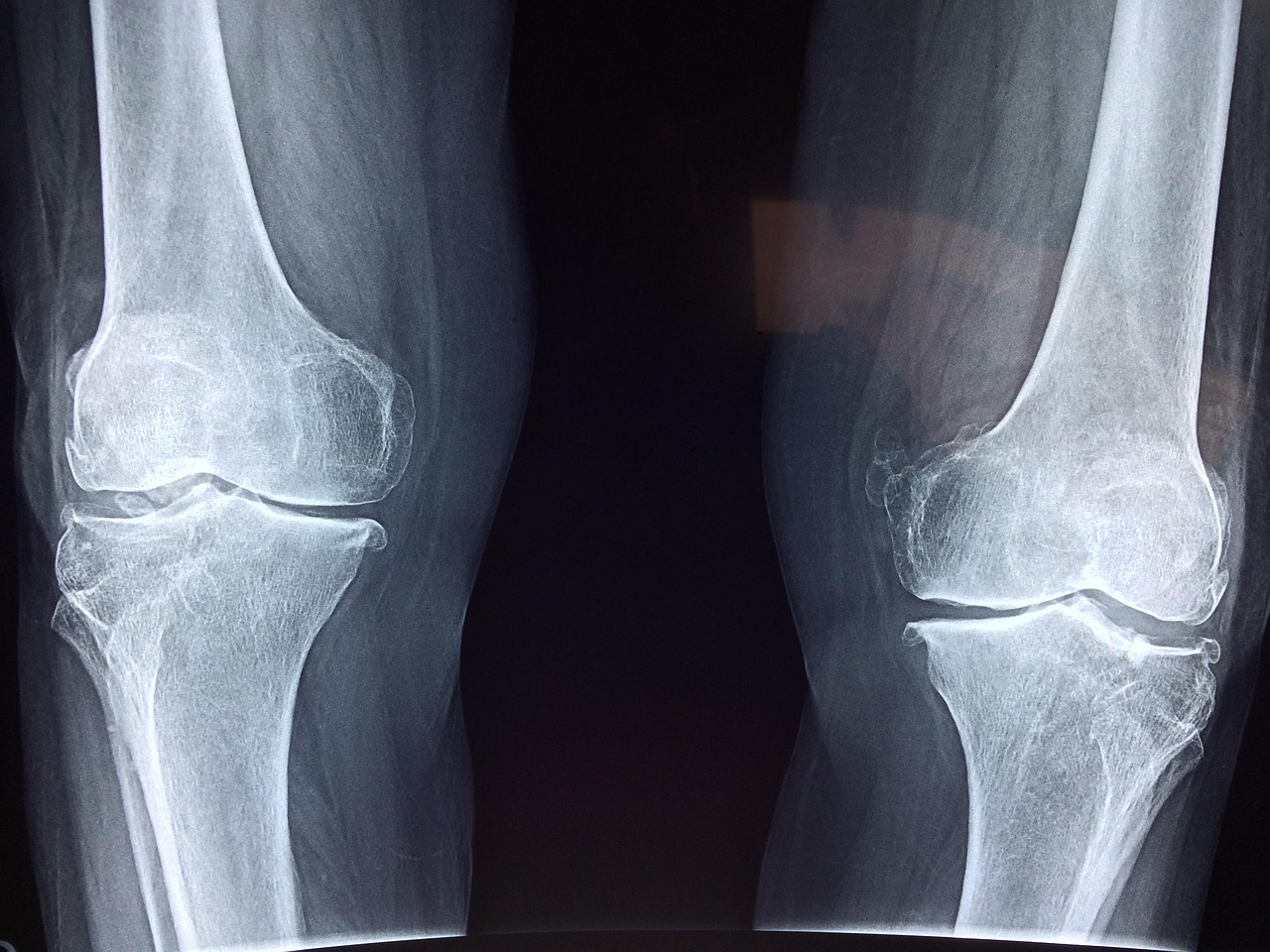

Monitoring Knee Health with Wearable Technology
In the realm of sports medicine, the importance of monitoring knee health has gained significant attention. Knee injuries are among the most common issues faced by athletes across varying disciplines. Advanced wearable technology now provides innovative solutions, allowing for real-time monitoring and analysis of knee function during physical activities. These devices are designed to track a range of metrics, including knee angles, load, and overall joint movement. As a result, coaches and sports professionals can make informed decisions based on collected data from athletes, promoting safer training practices and reducing injury risks. By incorporating wearables into training regimens, athletes are better equipped to identify early signs of potential problems. This proactive approach enables timely intervention and recovery where required, contributing to improved athlete longevity and performance. Platforms compatible with these wearables often allow users to visualize their performance metrics easily, making it more accessible for athletes and coaches alike. The seamless integration of technology into training can be transformative, providing a substantial edge in competitive environments. Thus, investing in such technologies is crucial for athletes aiming for peak performance.
Wearable technology extends its benefits beyond merely tracking metrics. It encompasses a variety of devices, such as smart insoles, knee sleeves with built-in sensors, and even advanced knee braces. Each device possesses different capabilities tailored to the specific needs of various sports. For instance, smart insoles can detect weight distribution and gait patterns, helping to identify discrepancies that might lead to injuries. Another innovative product is the smart knee brace, which offers stabilization while providing data on stress levels during physical activity. This data can reveal how much load is placed on joints, enabling adjustments to training regimens that ensure optimal performance without compromising athlete health. Integration with mobile apps enhances the user experience, allowing the immediate analysis of data collected during practices or games. These insights help create a personalized approach to training, adapted to each athlete’s specific needs and vulnerabilities. Coaches can closely monitor player conditions and adapt strategies accordingly, promoting a safer training environment. As athletes increasingly rely on these technologies, the significance of maintaining knee health becomes a priority for sports organizations.
The Role of Data Analytics
The data collected from wearable technology plays a crucial role in preventing knee injuries in athletes. Analytics platforms process this information effectively, providing actionable insights to coaches and healthcare professionals. With these insights, they can observe training loads and assess biomechanical factors associated with knee strain and injury risk. Proper analysis allows for the early detection of problematic movement patterns that necessitate corrective actions to mitigate future injuries. Athletes can receive tailored advice based on their unique movement profiles, ensuring their training remains productive while minimizing injury. Regular monitoring practices using wearables can reveal changes in knee mechanics, ideally before they cause significant issues. Data analytics also enables the evaluation of recovery progress post-injury, allowing coaches to make informed decisions regarding an athlete’s readiness to return to play. The shift towards data-driven decision-making in sports medicine is transforming training methodologies, as real-time input ensures that athletes are not only training hard but training smart as well. Altogether, the potential of data analytics in conjunction with wearables unveils a new frontier in athlete safety and performance.
In addition to data collection and analysis, educating athletes about their knee health is an essential aspect of injury prevention. Educated athletes can understand the implications of their body mechanics and the significance of wearables. They become active participants in their own health management rather than passive recipients of treatment plans. Training sessions can incorporate information on knee biomechanics, reinforcing how certain movements can impact joint health. Effective education facilitates open discussions between athletes, coaches, and medical staff, promoting a comprehensive approach to injury prevention. Workshops and seminars focusing on knee health and the utility of wearables will also help normalize their use within sports environments. Emphasizing self-care strategies, such as proper warm-ups and recovery routines, underscores the collaborative role of technology and athlete awareness. The culture shifts toward health technology are necessary for fostering a proactive mindset regarding injuries. Awareness can empower athletes to monitor their condition actively and take preventive measures. The ideal scenario involves a synergistic relationship where technology guides athletes and self-awareness tailors their training for the best outcomes.
Future Trends in Wearable Technology
The future of wearable technology in sports medicine looks promising, with continual advancements on the horizon. Researchers are exploring ways to improve sensor sensitivity, battery life, and data accuracy, offering even more reliable measurements for knee assessments. Innovations in artificial intelligence (AI) may lead to smarter wearables capable of predicting injuries based on historical data and real-time analytics. As the technology evolves, we may see the emergence of fully integrated systems that communicate seamlessly with coaches, trainers, and medical personnel. Furthermore, wearables might evolve into multi-functional devices that assess not only knee health but overall athlete wellness. Including features that monitor heart rate, hydration levels, and muscle fatigue would provide comprehensive health assessments for athletes. As sports leagues and organizations increasingly support the adoption of such technology, a culture of health promotion will flourish. This collaboration among stakeholders will ultimately enhance competitive performance and athlete longevity in their respective sports. Investing in research and development will be crucial to propel these advancements forward, ensuring that athletes can reach their full potential safely and effectively.
While wearable technology presents numerous benefits, it is essential to consider the ethical implications and challenges that accompany data collection. Athletes and organizations must ensure that data privacy is prioritized when dealing with sensitive health metrics. Maintaining transparency about how data is used and shared is crucial for establishing trust between athletes and developers. Regulations concerning athlete data should be in place to protect individuals from misuse while enjoying the benefits offered by wearables. Moreover, addressing potential disparities in access to advanced technology is vital, ensuring that all athletes can benefit from these advancements. Some athletes, particularly at grassroots levels, may not have the resources to access high-tech solutions, thus widening the gap between different levels of sport. Collaborative efforts from sports organizations, technology developers, and healthcare providers are required to foster equitable access to essential technologies. Additionally, effective training programs will ensure that all athletes are equipped with the knowledge necessary to use these tools wisely. The focus must remain on leveraging technology to enhance athlete performance without compromising their rights or health.
Conclusion: Embracing Wearable Technology
In conclusion, the integration of wearable technology in sports medicine for monitoring knee health offers unprecedented opportunities for injury prevention and enhanced performance. This innovative approach allows for real-time assessment and data collection, equipping athletes and coaches with critical insights regarding knee function. By understanding the mechanics of the knee and the impact of training loads, athletes can enact personalized modifications to their training routines proactively, reducing the likelihood of injuries. Education and awareness play a pivotal role in maximizing the potential of wearables, promoting a culture of health and self-care among athletes. As the field continues to evolve with advancements in technology and data analytics, the relationship between athletes and their training regimens will become more collaborative. Ethical considerations must also guide the development and deployment of these technologies, ensuring that athletes’ rights, privacy, and access are prioritized. Ultimately, investing in wearable technology will be essential for athletes aiming to enhance their performance while prioritizing their long-term health. The journey toward safer sports can largely rely on the innovative solutions provided by advancing technologies.
As we embrace these technologies, the future of sports medicine looks bright. Continued research will only further our understanding of how to optimize athlete performance and well-being while reducing the risk of injuries. Key stakeholders must work together to ensure that advancements benefit all, from amateur athletes to seasoned professionals. Collaboration will drive the industry’s evolution, ultimately fostering a safer and more effective sports culture. As innovation continues to shape training methodologies, the narrative surrounding athlete health and technology will remain intertwined, pushing boundaries continuously. Each leap forward in wearable tech helps close the gap between injury management and performance enhancement, paving the way for a new era in sports medicine. By emphasizing preventive measures backed by robust data, athletes stand to gain significantly from these technologies. The outcome is not just about winning but also about crafting a sustainable approach to sports that prioritizes health, longevity, and peak performance. As athletes adopt these wearables, the entire landscape of sports will evolve, transitioning towards a future where health and technology converge effectively.