
How Men’s Fitness Wearables Support Weight Training and Muscle Growth
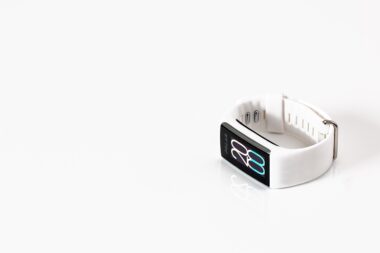
In the evolving world of fitness technology, wearables designed specifically for men play a crucial role in weight training and muscle growth. These devices, ranging from smartwatches to fitness bands, offer insights that empower users to optimize their workouts. By monitoring heart rate, calories burned, and even muscle fatigue, wearables provide valuable data that can guide training decisions. For men, who often engage in heavier weightlifting, understanding their body’s response to exercise is crucial. This information aids in refining techniques and improving overall efficiency. Furthermore, connected apps can analyze workout patterns, encouraging users to adapt their routines. When men wear fitness devices, they’re not just tracking statistics; they’re engaging in a science-driven approach to get stronger. This tailored assistance allows users to adjust their efforts in real-time, ensuring they’re not overtraining. Men can use the feedback to set benchmarks, assess their progress over time, and achieve better results. Consequently, incorporating wearable technology into weight training is not just beneficial but essential for those who aim for optimal muscle growth.
Fitness wearables are also equipped with advanced features that help to enhance performance during workouts. For example, many smart devices now include features such as activity reminders and guided workouts, which significantly impact a user’s motivation and productivity. By reminding wearers to move or to complete their training sessions, these wearables foster a sense of accountability. Additionally, types of wearables offer alerts when users reach their target heart rate zones, ensuring they train effectively within their limits. This can prevent injuries and ensure that training sessions are both safe and intense. Moreover, many fitness devices allow users to set specific goals tailored to weightlifting sessions, focusing on areas such as strength, endurance, or hypertrophy. The combination of real-time performance tracking and goal-setting creates a personalized training experience for men. Gamification strategies embedded within fitness apps can also motivate users to adhere to their workout regimens consistently. Ultimately, wearables provide essential insights and features that can transform a standard workout into a thoroughly guided and monitored training session, promoting the best possible muscle growth.
Integration with Nutrition Tracking
To maximize the benefits of weight training, integrating fitness wearables with nutrition tracking can significantly enhance muscle growth. Many fitness devices can synchronize with popular nutrition apps, allowing users to keep an eye on their dietary intake and caloric balance. For men involved in weight training, understanding how nutrition impacts muscle recovery and growth is vital. By tracking macros and calories, wearable technology ensures that users meet their nutritional needs, providing a comprehensive approach to fitness. Moreover, some wearables can remind users to stay hydrated during intense workouts, which is equally essential for optimal performance. Specific features that analyze protein intake can also guide users in building lean muscle effectively. Men can set routine meal reminders and track their post-workout meals to optimize recovery. This holistic view created by merging wearable tech with a nutritional framework helps maximize weight training efforts. As such, users benefit from calorie counting while being reinforced by exercise data collected through wearables. Thus, successful muscle growth derived from weight training becomes much more achievable when technology brings fitness and nutrition together.
Wearable technology serves as a motivational tool by offering insights into personal health metrics that are often overlooked. Unlike conventional workouts, using fitness wearables promotes a data-driven mindset, encouraging men to take ownership of their training progress. Metrics such as average lifts, duration of workouts, and consistency create a comprehensive snapshot of fitness journeys. By tracking these statistics over time, users can celebrate personal records, fostering a sense of achievement. Additionally, many wearables offer community features, like connecting with friends or joining challenges, which further enhances user engagement. This connectivity creates a support system that motivates continuous improvement. Men who follow their fitness journeys on wearable platforms develop a better understanding of their strengths and weaknesses. Such knowledge allows them to tailor their training sessions effectively, focusing on areas that need improvement. As part of a broader lifestyle change, fitness wearables promote consistency, helping men to push through workout plateaus. This commitment not only supports weight training but also fosters an overall better mental outlook and healthier lifestyle choices.
Reducing Injury Risks
Weight training, while beneficial, also carries risks of injuries, particularly for men eager to build muscle quickly. Incorporating fitness wearables into training routines can help mitigate these risks by providing users with real-time feedback during workouts. Wearables can alert men if their form is incorrect or if they are lifting too much weight, which consequently improves safety. Some advanced wearables even use motion sensors to analyze lifting techniques, ensuring proper movements are executed. Balancing weight and to avoid strain is critical, and wearables can help in measuring exertion levels accurately. Furthermore, injury prevention features such as recovery tracking remind users when it’s time to rest. This feedback encourages a more balanced approach to successive workouts. For men pushing towards their peak performance, understanding when to scale back is essential. Therefore, maximizing muscle growth is not only about lifting heavier weights but also about maintaining a healthy and injury-free training regimen. These safety measures provided through modern fitness technology enhance the journey towards building strength and mass without setbacks.
Incorporating feedback from fitness wearables can also enhance group training dynamics. Many men participate in group fitness sessions, and these wearables facilitate interaction by sharing performance data among peers. This can lead to friendly competition, motivating participants to push their limits further. Men can compare their stats and often strategize on areas for improvement together. Such interactions foster camaraderie and serve as an additional reason to stay engaged in fitness programs tailored to muscle growth. The data shared through apps can help coaches assess overall group performance, ensuring everyone is collectively progressing. Additionally, when individuals feel accountable to their group, they are often more likely to attend sessions consistently, further solidifying their training habits. Friendly competition can lead to increased willingness to experiment with different training methods, ultimately translating to enhanced strength gains. Furthermore, wearables keep track of participants’ progress toward personal goals, allowing for a benchmark comparison that highlights everyone’s growth. Ultimately, group dynamics enhanced by wearables result in a supportive environment, where motivation thrives and helps men achieve muscle growth goals effectively.
The Future of Fitness Wearables
The future of men’s fitness wearables promises even greater integrations aimed at enhancing weight training and muscle growth outcomes. As technology advances, wearables are likely to adopt more health metrics such as muscle oxygen saturation and recovery insights. This data would give users a holistic view of their fitness, allowing for even better individualized training plans. Furthermore, artificial intelligence integration could lead to predictive algorithms capable of suggesting adjustments in real-time based on workout performance. Moreover, as the Internet of Things (IoT) evolves, fitness wearables may connect with home gym equipment, further personalizing exercise routines. These advancements could lead to the development of adaptive workouts that adjust based on user performance. As an emerging trend, augmented reality might also interface with wearables to create intuitive training environments that guide and correct techniques dynamically. This immersive approach could significantly change how men approach their weight training sessions. With continued innovation in fitness technology, men will have access to powerful tools that not only support their physical goals but also enhance their overall health and lifestyle.
In conclusion, fitness wearables are revolutionizing the weight training landscape for men. By offering critical insights into performance, recovery, and nutrition, these devices empower individuals to take control of their fitness journeys effectively. The robust features of wearables not only enhance training efficiency but also prioritize safety and injury prevention. Through gamification and social interaction, men are encouraged to stay motivated and engaged in their fitness routines. Moreover, integrating nutrition tracking further amplifies the benefits of weight training, creating a holistic approach that promotes muscle growth and overall well-being. As technology continues to advance, the possibilities for wearables seem endless, paving the way for more innovative technologies that will further support fitness enthusiasts. Men can expect a future where fitness wearables will not only track their workouts but also their overall health. This innovation promises to refine how weight training is approached, ensuring it becomes even more accessible and enjoyable. As this sector grows, embracing fitness technology becomes crucial in maximizing muscle-building efforts and achieving personalized fitness goals.