
Safe Kettlebell Swing: Tips to Protect Your Shoulders
When it comes to kettlebell training, the swing is a fundamental movement that provides numerous benefits, including strength and conditioning. However, executing the kettlebell swing improperly can lead to shoulder injuries, which is a common concern among trainees. To ensure safety, mastering technique is essential. Start with a weight you can control while maintaining a natural shoulder position. Your shoulders should be retracted and down, not shrugged. This position helps prepare your shoulder girdle for the movement ahead. Additionally, engaging your core throughout the swing is crucial for stability. Activating your core minimizes strain on your shoulders and improves overall balance. Focus on your grip as well; it should be firm but not overly tight. Maintain a neutral wrist position while swinging. This helps distribute the load evenly, reducing the risk of injury. Also, listen to your body and avoid pushing through pain. If you feel discomfort during your set, it’s better to stop than to risk further injury. Always consider warming up properly to prepare your muscles and joints effectively for the session.
Proper warm-ups and stretches play a critical role in shoulder safety during kettlebell swings. Warming up improves blood flow and enhances the elasticity of your muscles, which can significantly reduce injury risks. Start with general cardio activities such as jumping jacks or a brisk walk. Then proceed with dynamic stretching focusing on your shoulders, arms, and back. Arm circles, shoulder rolls, and torso twists are excellent choices. Incorporating these movements into your warm-up routine will help prepare the shoulder muscles for the explosive actions involved in kettlebell swings. Additionally, consider dynamic exercises like light kettlebell swings with minimal weight to help acclimate your body. This not only engages the muscles you’ll be using but also reinforces proper technique. If you’re new to kettlebell training, consider working with a certified trainer who can provide hands-on guidance to ensure you’re using the correct form. Remember, safety should always come first, so take your time to master the movements before progressing to heavier weights. Lastly, post-workout stretching is equally important to maintain shoulder flexibility and mobility.
Focus on Form
Focusing on form is paramount when executing the kettlebell swing. Poor form can lead not only to shoulder injuries but also to lower back issues and other overuse injuries. During the swing, make sure to hinge at your hips rather than squat. Imagine pushing your hips back as if sitting in a chair. The kettlebell should be swung through the legs before driving it upward in a controlled arc. Your back must remain straight, not rounded, to support your spine during the movement. Besides, ensure that your knees track over your toes to avoid unnecessary strain. The power of the swing comes primarily from your hips and glutes, rather than your arms. If you feel like your arms are doing most of the work, it’s a sign of improper execution. Incorporate mirror work or video recording yourself to evaluate your form. This aids in identifying areas in need of correction. Remember to engage your lats, allowing them to stabilize your shoulder joint throughout the motion, which supports proper alignment and reduces injury risk significantly.
Another key consideration is your kettlebell choice. Selecting the right weight for your fitness level is crucial. Many trainees often gravitate toward heavier kettlebells, banking on increased strength gains. However, this approach can backfire if technique is sacrificed for weight. If you’re inexperienced or unsure, start with a lightweight kettlebell. It allows you to focus on mastering movement patterns without compromising your technique. Ideally, choose a weight you can swings for 10–15 repetitions without losing form. Progress gradually, increasing the weight only after you’ve perfected your form. Additionally, practicing with a lighter kettlebell enables you to perform higher repetitions, building muscular endurance effectively. Seek varieties with a smooth finish and secure handle; it enhances grip comfort and safety. Also, check if the size suits your hand size, as a poor fit can increase the chance of dropping the kettlebell during swings. Lastly, multiple kettlebells of varying weights are advantageous, as you can enhance your workout routines as you progress while maintaining a focus on safety and technique throughout your kettlebell journey.
Include Proper Cool Downs
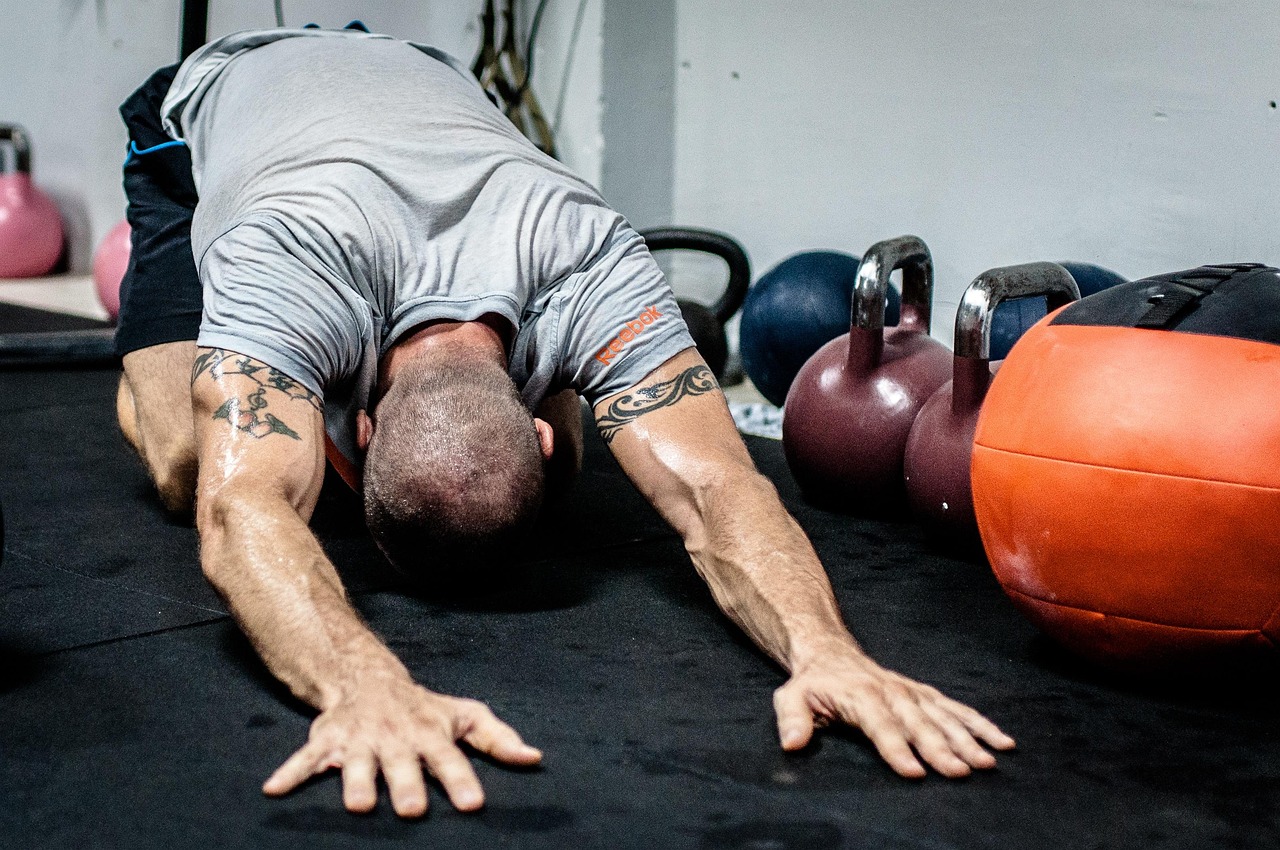
After completing your kettlebell training, including a proper cool down is essential for achieving shoulder safety and recovery. Cooling down helps to gradually lower your heart rate and release any built-up tension within the muscles worked during the exercise. Start with gentle movements, such as arm circles and shoulder stretches, to promote blood circulation and flexibility. These should aim to target your shoulders, as well as your chest and back. Incorporating static stretches can further enhance flexibility after an intense workout. Hold each stretch for 15–30 seconds to facilitate muscle recovery and prevent soreness. Pay particular attention to areas associated with kettlebell swings, including the deltoids and upper trapezius. Additionally, consider performing foam rolling techniques on your shoulders and upper back to release tight muscle knots. This promotes recovery and relieves stress on the shoulder girdle after a kettlebell workout. Staying hydrated also helps muscle recovery, so be sure to drink plenty of water during and after your session. Establishing a consistent post-workout routine can significantly improve your overall training experience and shoulder safety.
Listening to your body is another critical element in kettlebell training. Understanding your limits is vital for protecting your shoulders and avoiding injuries. If you experience any discomfort or pain while executing the swing, don’t ignore it. It’s essential to differentiate between discomfort that comes from exertion and pain signaling a potential injury. Taking time to assess how your body feels during and after workouts is important in adjusting future training accordingly. If you notice persistent pain, particularly in your shoulders, seek professional advice. A physical therapist or sports medicine specialist can help identify and address any underlying issues. It’s also worth noting that fatigue can impair your technique, so don’t hesitate to take breaks as needed. Intense workouts often call for scheduled rest days to allow your muscles ample recovery time. Cross-training with other exercises targeting different muscle groups can also provide relief while preventing boredom in your training regimen. Remember, consistent workouts will yield results, but safety and proper technique are fundamental aspects of any successful kettlebell training plan.
Conclusion
In conclusion, practicing safe kettlebell swings is achievable through proper technique, warm-ups, and listening to your body. Focus on maintaining an appropriate weight that allows you to prioritize form over the load. Utilize dynamic warm-up routines to prepare your muscles, and always pay attention to body signals during workouts. Regularly inspecting your kettlebell choice is essential to ensure safety and optimal form in your swings. Moreover, post-workout routines should not be overlooked, as they play a crucial role in recovery and flexibility. Incorporating a cool down helps to alleviate muscle tightness and rigidness experienced after intense kettlebell workouts. Staying hydrated and giving your body proper rest will enhance recovery rates and improve performance in future workouts. Consistency and patience are key factors for long-term results in kettlebell training. Balancing intensity with safe practices will ensure you continue to swing effectively and improve without the risk of injuries. Commit yourself to proper techniques, and you’ll not only enjoy kettlebell training but also safeguard your shoulders. May your kettlebell journey be marked by strength, safety, and success!
Your safety should be a top priority when engaging in kettlebell training. Implementing these crucial safety tips will result in a more effective and rewarding experience, while minimizing risks to your shoulders.