
How to Train for Depth Versus Distance in Freediving
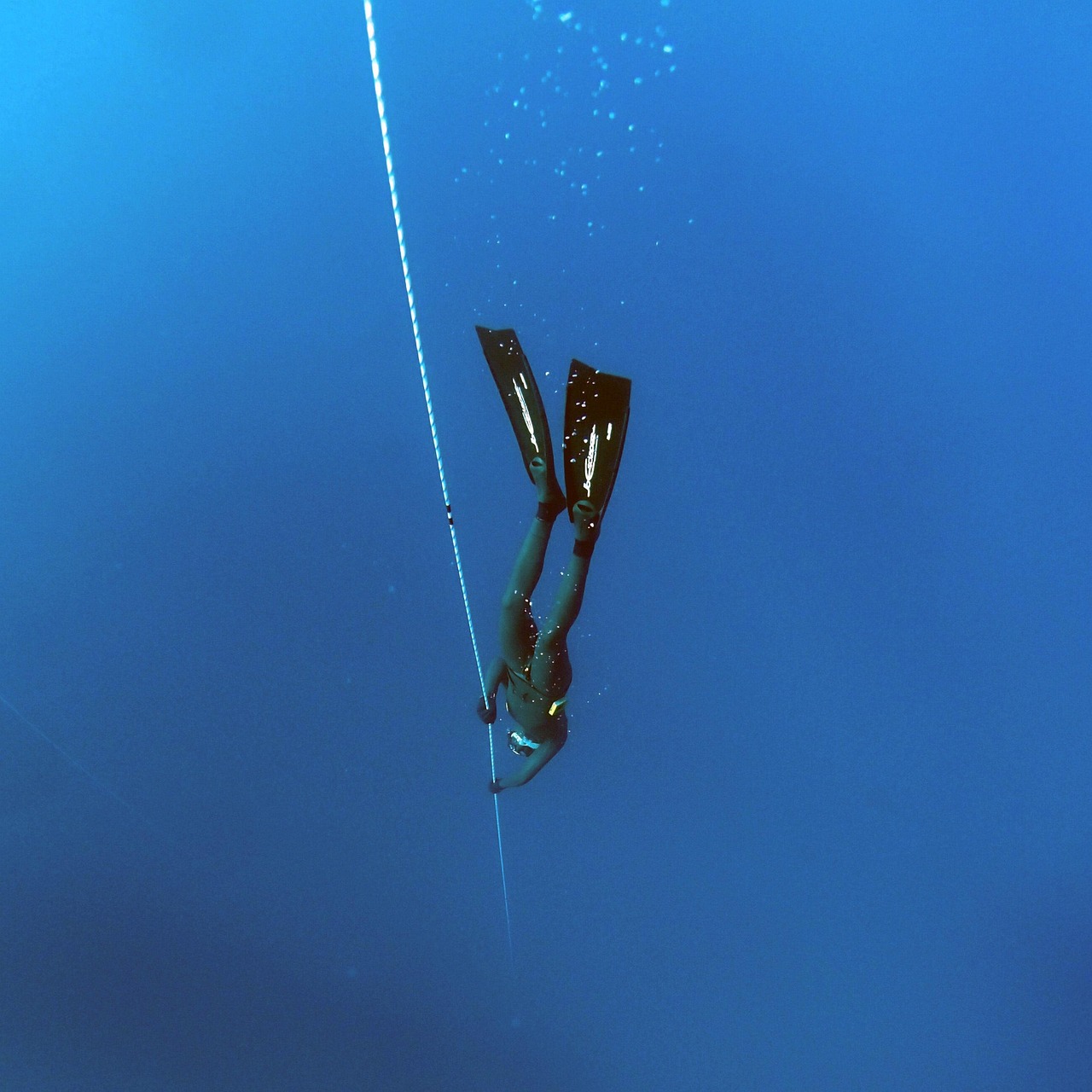
Freediving combines the thrill of deep water exploration and the challenge of breath-holding. Training effectively for depth versus distance requires understanding both disciplines. With a focus on mastering techniques essential for maximizing performance in either category, athletes must consider specific approaches tailored to their goals. Emphasizing depth diving necessitates proper equalization techniques to avoid discomfort and injury. Athletes aiming for distance should concentrate on cardiovascular endurance and efficient swimming techniques. Implementing a balanced training schedule can help them achieve their goals. It’s essential to incorporate breathing exercises designed to enhance CO2 tolerance, which is crucial for holding breath over longer distances. Hence, adequate rest between sessions is equally vital to recovery. Additionally, practicing safety protocols in water is paramount. Athletes must ensure they train with a buddy for safety, particularly in deep dives. Finding a trusted mentor or enrolling in a freediving course can also provide valuable insights and tips. As they hone their skills, divers will find that establishing a routine helps to improve overall performance over time.
Understanding Equalization Techniques
Equalization techniques play a vital role in successful freediving, especially when focusing on depth training. As divers descend, pressure increases, necessitating methods to equalize the ears and sinuses comfortably. Popular techniques include the Valsalva and Frenzel methods, which allow divers to manage the pressure changes effectively. Learning to perform these techniques efficiently is crucial for enabling deeper dives without causing injury. Practicing equalization on dry land can acclimate divers to the sensations felt underwater. Incorporating regular equalization practice into training helps in developing muscle memory, making it easier during actual dives. Divers also benefit from understanding their own limits; pushing past these can lead to discomfort or injury. Moreover, proper relaxation techniques before diving improve equalization success. Special emphasis should be placed on controlled breathing to remain calm and focused. Additionally, scheduling specific equalization drills within dive training can further enhance performance. Other training modalities, such as meditation or yoga, can assist in fostering a relaxed state of mind. Finally, make sure to listen to your body throughout training sessions, ensuring that you don’t overexert during equalization practices.
Distance training involves developing an athlete’s capacity to swim longer distances without exhausting themselves. This requires a different approach from depth training, emphasizing cardiovascular conditioning and swimming efficiency. Incorporating interval training helps freedivers build endurance; performing short bursts of high-intensity swimming followed by rest enables improvement in lung capacity and aerobic fitness. Long, steady swims with proper breath control allow athletes to practice pacing themselves over extended periods. It’s important to learn how to navigate the water efficiently, focusing on body positioning and minimizing resistance. Utilizing drills, such as kicking with a board or swimming with fins, enhances endurance while improving technique. As swimmers become more accustomed to longer distances, incorporating strength training into their routine will assist in fortifying muscles used during long swims. Flexibility exercises also play a role in distance training to enable greater range of motion. Hydration and nutrition must not be overlooked, as they significantly impact performance. Consuming adequate fluids coupled with balanced meals ensures energy levels remain high throughout training. Lastly, keeping a consistent training log can track progress and identify areas needing improvement.
The Importance of Safety Protocols
Safety protocols are essential in all forms of water sports, but they hold special importance in freediving. Divers must practice their skills in a controlled environment, ideally under the guidance of trained professionals. To reduce the risks associated with deep dives and lengthy swims, having a focused safety buddy system is crucial. A buddy not only enhances safety but also provides an extra pair of eyes for monitoring during dives. Properly training with a dive buddy means practicing rescue techniques and maintaining constant communication throughout all training sessions. Establishing clear signals for distress or discomfort ensures immediate assistance can be provided. Additionally, divers should frequently review their personal limits, understanding when to call it a day. Utilizing surface markers while training in open water helps maintain spatial awareness. Engaging in continuous education about freediving safety should be encouraged, ensuring that divers are aware of the latest protocols and techniques. Lastly, attending workshops or courses to re-examine theoretical knowledge can reinforce practical skills. Following these protocols is vital for minimizing risks and fostering an enjoyable and fulfilling freediving experience.
To maximize the efficacy of training, divers can incorporate a combination of mental and physical preparation into their regimen. Mental training techniques, such as visualization, play a key role in enhancing performance. Athletes can visualize themselves executing their dives seamlessly, building confidence and focusing on proper techniques. Coupling mental strategies with physical training cultivates a holistic approach to freediving. Meditation and mindfulness practices further enhance the mental aspect, allowing divers to remain calm during challenging dives. Divers should also be encouraged to build a balanced mindset around failure and success in training sessions. Understanding that setbacks are part of the growth process can positively influence performance. Setting realistic, achievable goals enables divers to measure progress and celebrate small milestones along the way. Encouraging supportive peer discussions within the freediving community fosters camaraderie and motivation. Moreover, maintaining a well-rounded fitness routine outside of traditional freediving training helps enhance overall capabilities. Engaging in other endurance sports can translate beneficially to freediving performance. Ultimately, finding what works best for individual preferences is the key to harnessing full potential in whichever discipline, be it depth or distance.
Monitoring Progress and Adjusting Training
Regularly monitoring progress is pivotal for success in both depth and distance freediving. Divers can benefit from establishing benchmarks and documenting their performances consistently. Keeping a training journal that notes personal bests in distance and depth provides tangible goals to work towards. This, however, should be coupled with periodic check-ins on technique and physical conditioning. Coaches and mentors can assist in providing constructive feedback, refining skills, and identifying areas for improvement. Gathering analytical data through wearable technology can also provide insights into physiological responses during dives. It’s essential to remain flexible with training plans, adjusting them according to performance feedback. If a diver consistently finds certain aspects challenging, it may be time to reassess and modify their training approach. Incorporating rest days is vital to allow recovery, so athletes can continue pushing their limits. Divers should also consider joining different workshops or groups to gain fresh perspectives on techniques. Leveraging the knowledge of experienced divers can facilitate accelerated progress. Ultimately, maintaining adaptability in training ensures optimal growth in both depth and distance training, leading to a more fruitful freediving journey.
In conclusion, training for depth versus distance in freediving involves a multifaceted approach that combines strength, conditioning, technique, safety, and mental preparation. Both disciplines require unique training strategies, each essential for mastering the skills necessary for extended performance. Equalization techniques must be prioritized for depth, while cardiovascular conditioning becomes crucial for distance. Establishing a supportive dive buddy system enhances safety measures while fostering growth within the community. Incorporating consistent monitoring and goal setting can guide divers toward improvement, helping them achieve their aspirations. Furthermore, maintaining a flexible and well-rounded training regimen allows divers to stay engaged and motivated. Finally, integrating mental training techniques can bolster confidence and execution. Embracing both depth and distance training elements can yield remarkable results overall. Divers who dedicate themselves to honing these skills will experience the true beauty and freedom of underwater exploration. By taking the time to train effectively, divers can harness their full potential while ensuring safety and enjoyment in their pursuits. Ultimately, with dedication and focus, every freediver can discover their unique journey beneath the waves.
As a fantastic entry into the world of underwater adventures, training for freediving opens a realm of possibilities. Embracing this aquatic sport provides opportunities to connect with nature and explore oceanic depths like never before. Successful depth and distance training strategies can transform a novice into a skilled freediver. By focusing on essential techniques, divers will enhance their capabilities while maintaining safety as a priority. Through a well-structured training program, participants can foster personal growth in an exhilarating environment. Continued education within the freediving community keeps divers informed about advancements and fosters support. Therefore, it is pivotal for divers to stay engaged with the latest resources available. Seeking out information online, through books, or local workshops will supplement practical training efforts. With the right balance of depth and distance training, the world of freediving unfolds countless wonders beneath the surface. As divers build confidence, their performance will soar. Enthusiasts can also share their experiences with friends and family, creating lasting memories tied to water adventures. Embracing the challenges presented by freediving will ultimately lead to a more comprehensive understanding of underwater ecosystems and marine conservation efforts.