
Optimizing Post-Exercise Rehydration for Endurance Athletes
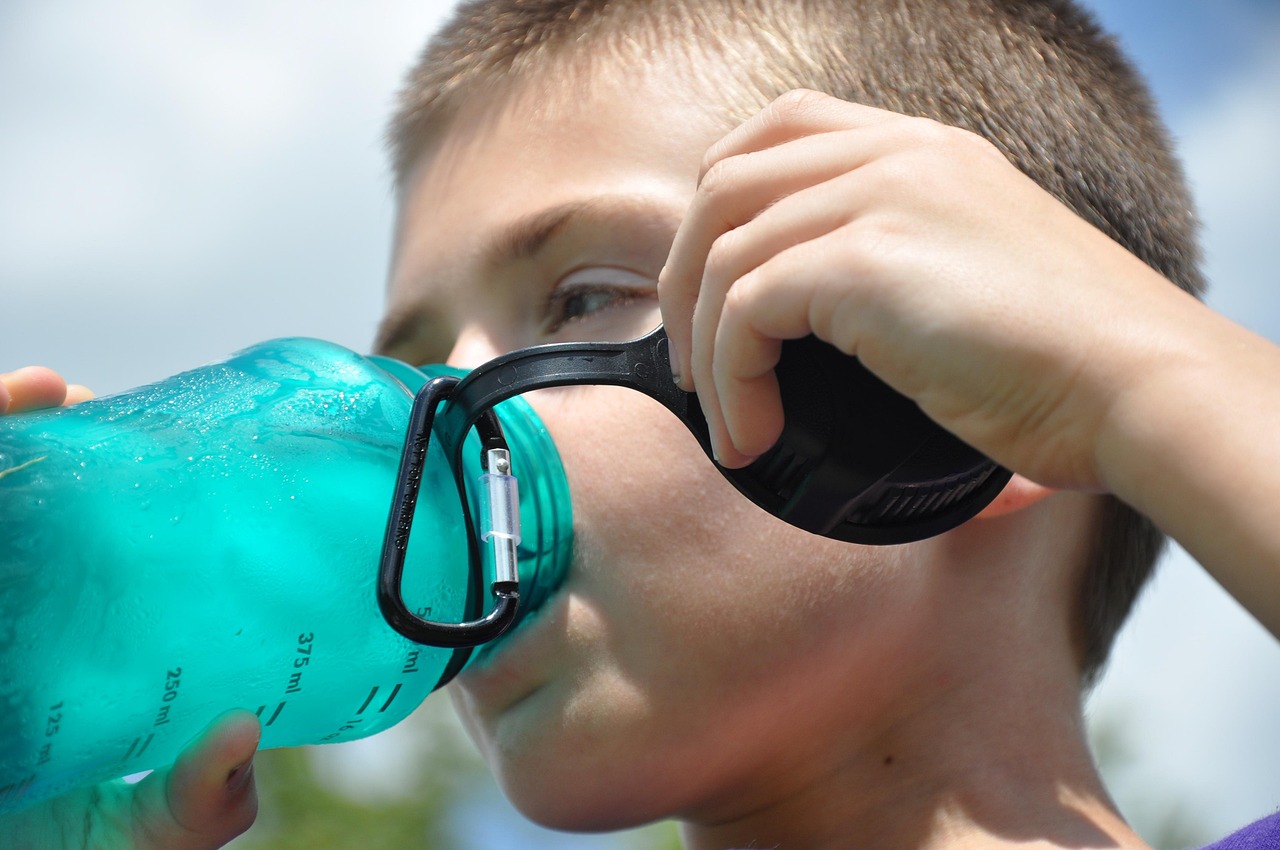
Rehydration is an essential practice for endurance athletes who compete in events lasting several hours. Maintaining optimal hydration levels is critical to performance and recovery. After prolonged exercise, athletes suffer from fluid loss primarily due to sweating. This loss needs to be promptly addressed to maintain peak performance. Various types of drinks can assist in rehydration after exercise, including water, electrolyte solutions, and sports drinks. Each option has distinct advantages depending on the individual’s needs, exercise intensity, and environmental conditions. It’s not just about replacing lost fluids; you must absorb essential electrolytes like sodium and potassium which play crucial roles in hydration. Moreover, the timing of fluid intake significantly affects recovery and subsequent performance. Studies suggest athletes should begin hydrating immediately after finishing their activity. By monitoring their body weight before and after exercise, athletes can assess their fluid loss, guiding their rehydration strategy. Also, employing urine color as an indicator can provide insights into hydration status. This critical aspect of athlete training ensures they are adequately prepared for their next event, providing a competitive edge.
Understanding the composition of hydration fluids is vital for endurance athletes. Rehydration solutions can include various carbohydrates, proteins, and electrolytes. Electrolytes are key components because they regulate important bodily functions and help with muscle recovery. Sodium and potassium help maintain fluid balance by facilitating fluid retention and absorption. Many athletes may overlook carbohydrate supplementation during rehydration, yet it plays a significant role. Carbohydrates can benefit glycogen replenishment, which is pivotal for endurance sports. Incorporating additional carbohydrates can enhance recovery, especially in athletes who engage in marathon training. When rehydrating, athletes should focus on drinks that have an optimal balance of electrolytes and carbohydrates. Choosing drinks with a carbohydrate concentration of 6 to 8 percent is considered effective for recovery without causing gastrointestinal discomfort. Additionally, it’s crucial to avoid excessive sugar, as it can be detrimental to rehydration. Therefore, reading product labels carefully is essential. Creating a personalized rehydration plan causes athletes to take into account their sweat rates, exercise duration, and environmental conditions for the highest efficacy.
Hydration Timing and Strategies
Timing of hydration is a vital component for endurance athletes, impacting performance and recovery. Athletes should aim to consume fluids regularly throughout training and competitions, not only after exercise. Implementing a pre-hydration strategy can prepare the body better for subsequent performance. Drinking approximately 16 to 20 ounces of fluid one hour prior to exercise is a sound strategy. During workouts and competitive events, hydration should continue every 15 to 20 minutes. This consistent fluid intake combats early signs of dehydration, optimizing performance throughout the activity. After the event, athletes should shift their focus to recovery hydration. Consuming fluids quickly after finishing an event accelerates recovery, particularly within the first 30 minutes. This initial window is critical for rehydration and restocking glucose stores crucial for recovery. Notably, drinking too much water can dilute vital electrolytes, leading to potential health risks. Thus, it is essential to monitor fluid intake closely, matching it to body signals and the level of exertion experienced during the activity. This balanced approach ensures sports performance improvement.
Electrolyte supplementation plays a central role in post-exercise rehydration, especially in endurance sports. During prolonged exercise, particularly in hot conditions, significant fluid and electrolyte loss occurs through sweating. While water is essential for basic rehydration, it often falls short in replacing essential electrolytes lost during exercise. Sodium is especially important, as it helps retain fluids and maintain blood volume. Additionally, magnesium and calcium also play crucial roles in muscle function and nerve transmission. Many sports drinks are designed specifically to replace these lost electrolytes post-exercise, restoring balance and optimizing recovery. Athletes should be mindful, though, of the sodium content in the drinks they choose. It’s often recommended to consume electrolyte solutions with a sodium concentration higher than that found in blood plasma, usually around 0.9-1.2%. The inclusion of natural sources such as coconut water can also provide a lower-calorie alternative to traditional sports drinks. Proper restoration of electrolytes allows the cardiovascular system to function optimally, contributing to improved stamina and overall performance.
Practical Considerations for Rehydration
When developing a rehydration plan, endurance athletes must consider various environmental and personal factors. Environmental conditions, such as heat and humidity, significantly affect fluid loss during exercise. Athletes may need to adjust their rehydration strategy based on weather conditions; for example, humid conditions may require more frequent rehydration due to increased sweating. Furthermore, personal sweat rates vary significantly from individual to individual, and therefore personalized plans work best. Factors such as body weight, diet, and exercise intensity all influence how much fluid an athlete needs. Since hydration affects performance, athletes should consistently monitor their hydration status during both training and competition. A simple method is to check the color of urine; pale yellow indicates proper hydration whereas a darker color suggests dehydration. Moreover, wearables designed to monitor hydration levels and electrolyte balance are becoming popular among athletes. Therefore, hydration shouldn’t be a random trial but a structured approach. Athletes could benefit from consulting sports nutritionists who can guide them to effectively craft their rehydration strategies.
In conclusion, optimizing post-exercise rehydration is crucial for endurance athletes aspiring for peak performance. Implementing effective hydration strategies ensures that athletes can recover swiftly and maintain their physical capabilities over time. Choosing the right fluids, timing the hydration correctly, and understanding personal hydration needs are essential elements of a successful strategy. The integration of electrolytes, carbohydrates, and continued monitoring ensures that athletes replenish their bodies adequately. Moreover, athletes should view hydration as a multifaceted aspect of training rather than a simple beverage choice. This comprehensive approach leads to enhanced endurance, improved recovery times, and decreased injury risk. Regular reviews of hydration strategies with sports professionals can also guide athletes in adjusting to varying conditions or training demands. The pursuit of excellence in endurance sports demands not only physical preparation but also diligence in hydration techniques. As athletes apply these hydration principles, they can optimize their performance during each competitive event. Ultimately, the effects of carefully managed rehydration extend beyond immediate physical performance, supporting long-term health and athletic efficacy for endurance athletes.

Visit Sports Nutrition for more resources on hydration strategies.