
Probiotics and Their Impact on the Gut-Brain Axis in Athletes
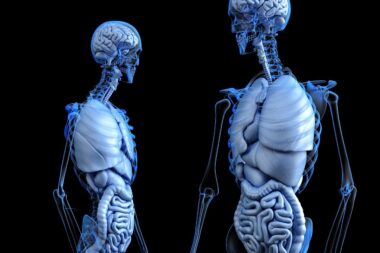
Understanding the gut-brain axis (GBA) is essential for recognizing the interplay between gastrointestinal health and mental well-being. Athletes, due to their rigorous training routines, are particularly vulnerable to gastrointestinal disturbances which can impact performance. Probiotics, defined as live beneficial bacteria, can play a crucial role in maintaining gut health. The relationship between probiotics and the GBA suggests that a healthy gut can lead to improved mood and cognitive function. Regular intake of probiotics can not only enhance gut microbiota but may also influence brain chemistry positively, leading to better focus and less anxiety. Athletes often experience stress, which can alter gut microbiota and exacerbate physical and mental fatigue. Studies indicate that a balanced microbiome contributes to mental resilience. As a result, incorporating probiotics into an athlete’s diet could serve dual purposes: enhancing physical performance and supporting psychological health. It’s fascinating how the gut microbiome is increasingly recognized as a key player in an athlete’s overall health and performance, suggesting that those seeking an edge may benefit from such dietary inclusions.
The Science Behind Probiotics
Recent research sheds light on the science of probiotics and their effects on athletes’ gut health. Probiotic strains, like Lactobacillus and Bifidobacterium, have been shown to promote a healthy gut environment by maintaining a balanced microbiota. A balanced microbiota helps in fortifying the intestinal barrier, which can prevent harmful pathogens from infiltrating the bloodstream. Furthermore, these beneficial bacteria can contribute to a decrease in inflammation, which is particularly beneficial for athletes. Intense physical activity can produce stress and inflammation, negatively impacting both physical recovery and mental health. By modulating the immune response and improving gut health, probiotics can aid in quicker recovery times and enhanced performance. Moreover, some studies emphasize the role of probiotics in enhancing nutrient absorption, thus providing athletes with the necessary energy to perform at their peak. Additionally, probiotics may influence serotonin levels in the brain, which could improve mood. This interplay between gut health and emotional well-being demonstrates the necessity for athletes to consider their gut microbiome and the potential benefits of probiotics in their training regimen.
Nutrition plays a pivotal role in optimizing an athlete’s health. Among nutritional strategies, the inclusion of probiotics is gaining traction. Athletes often experience fluctuating energy levels, which can be linked to gut health. A diverse gut microbiome can support digestion and enhance energy availability, essential for peak performance. This is especially relevant in endurance sports, where energy management is crucial. Upon ingestion, probiotics help to break down sugars and fibers, enhancing their absorption, thereby providing sustained energy. Additionally, probiotics can reduce gastrointestinal symptoms like bloating and discomfort, which commonly plague many athletes. This can be critical during competition when digestive discomfort can derail performance. Supporting a healthy gut microbiome also translates to improved overall health, which is integral for athletes during training periods and competition phases. Moreover, several studies advocate that probiotics can reduce the incidence and duration of infections, allowing athletes a shortened recovery period. Thus, integrating probiotics into daily nutrition systematically can foster greater performance outcomes for athletes seeking to maintain optimal gut health.
The Role of Dietary Choices
Dietary choices significantly influence the levels and types of gut bacteria athletes harbor. Consuming a diet rich in fiber, fruits, and fermented foods like yogurt can be synergistic with probiotics. Fermented foods are rich sources of natural probiotics that can enhance gut flora diversity. By supporting these beneficial bacteria, athletes can optimize their performance while concurrently enjoying the dietary variety. It’s essential to note that processed foods and high sugar intake can negatively affect gut health, potentially detracting from athletic performance. Therefore, athletes should aim to reduce their intake of these pantry staples. The synergy between diet quality and gut biodiversity underscores how athletes can strategically choose their meals for both taste and gut health optimization. Staying informed about which foods inherently contain probiotics and enhance their effects can provide athletes an edge. Engaging a sports nutritionist to fine-tune dietary strategies and recommend specific probiotic strains can further support individualized performance goals. This comprehensive approach to nutrition illustrates how effective dietary adjustments can yield positive benefits in both physical and mental dimensions for athletes.
Besides dietary strategies, individual responses to probiotics can vary significantly. Genetic makeup, stress levels, and pre-existing gut health all play critical roles in how well probiotics work for an athlete. Therefore, the choice of specific probiotic strains should be personalized to maximize efficacy. Some athletes may find that certain strains yield more noticeable benefits, whether through increased energy, improved mood, or faster recovery rates. Additionally, the timing of probiotic intake can influence their effectiveness; for instance, taking them shortly before or after intensive workouts may optimize their performance-enhancing properties. Recognizing an athlete’s unique needs through trial and error can help in making informed decisions about the incorporation of probiotics. Furthermore, athletes should be aware of potential side effects or sensitivities related to certain probiotic formulations. Consulting with healthcare professionals or registered dietitians can provide the right guidance to navigate these options effectively while ensuring gut health is prioritized. Striking this balance empowers athletes to harness the full benefits of probiotics catered to their specific needs in enhancing overall performance.
Future Directions in Research
The research surrounding probiotics and their role in the gut-brain axis is continually evolving. Future studies must explore the specific effects of dietary probiotics on athletic performance across different sports disciplines. Researchers are particularly interested in understanding the interplay of probiotics, meal timing, and physical intensity on gut health and mental resilience. Investigating the genetic factors that affect individual response to probiotics could lead to personalized nutrition strategies for athletes. Additionally, exploring the interactions within the gut microbiome could illuminate how certain probiotics can maximize performance and recovery. The development of innovative probiotic formulations, engineered to target specific athlete profiles, may also emerge as a significant focus for researchers in the coming years. By embracing broader studies and more diverse populations, researchers can pave the way for overarching guidelines that support athletic performance through gut health. The growing body of evidence underscores the importance of this area of research, potentially redefining nutritional practices and supplementation strategies for athletes worldwide. Staying abreast of these developments will ensure that athletes optimize their performance both mentally and physically.
Incorporating probiotics into an athlete’s lifestyle goes beyond simply adding supplements; it extends to holistic health practices. Managing stress through practices like mindfulness can significantly enhance the benefits provided by probiotics on the gut-brain axis. Pairing physical training with cognitive strategies can lead to improved performance outcomes in competitive settings. Creating routines that effectively include probiotic-rich foods and focus on mental well-being can serve athletes in their pursuit of excellence. Moreover, fostering community through shared dietary practices can strengthen athlete support networks, enhancing accountability and motivation. The integration of probiotics within a broader healthy lifestyle may foster sustainable habits that long outlast sports careers. Education and awareness surrounding gut health empower athletes to make informed choices about their diets. As the body of research continues to grow, the accessibility of reliable information creates opportunities for athletes to integrate new findings into their training regimens. Ultimately, optimizing gut health through probiotics represents not just a trend but a potential cornerstone of athlete wellness and performance enhancement. By embracing this multi-faceted approach, athletes can thrive both physically and mentally in their disciplines.
In conclusion, probiotics hold promise for athletes aiming to improve their gut health and performance. The positive relationship between gut microbiome diversity and overall athletic performance cannot be overlooked. As athletes continue to push their physical and mental limits, understanding the role of probiotics offers a significant advantage. Moving forward, embracing dietary adjustments, exploring personalized probiotic options, and promoting holistic health practices will empower athletes seeking higher performance levels. The intersections between nutrition, stress management, and gut health create an intricate tapestry of factors influencing athletic success. Additionally, ongoing research will continue to uncover new insights, ensuring urgency for athletes to remain informed. Further understanding of the gut-brain axis can potentially guide holistic training regimens that promote mental and physical well-being. Athletes willing to adapt and integrate these findings into their routines may establish a competitive edge unique to their journeys. With the right approach, probiotics can transform not just physical performance but the overall experience of being an athlete, fostering resilience and durability in the face of challenges. Embracing probiotics as a part of an athlete’s toolkit represents a forward-thinking strategy to enhance athletic success.