
Integrating Plyometrics with Strength Training
Integrating plyometric training with strength training can significantly enhance athletic performance. Plyometrics, characterized by explosive movements, improves both power and speed. When combined with strength training, these benefits are amplified, as strength gains allow for better execution of plyometric exercises. Athletes often find that incorporating plyometric routines into their training regimens leads to improved vertical jump, sprint speed, and overall agility. Specifically, proper timing and methodical progression are crucial for maximizing benefits while minimizing injury risks. By carefully planning workouts that combine these training modalities, athletes can ensure balanced muscle development. It is vital to customize such training to meet individual athletic goals, as varying techniques may be more or less effective depending on the sport. Furthermore, integrating rest and recovery periods is essential to prevent overtraining. Quality over quantity should guide workout design, where short, high-intensity sessions yield maximum adaptations. Notably, shoulder stability and core strength are foundational elements that support effective plyometric performance. An effective program needs to address these supporting areas fully. This balance allows athletes to harness their maximum potential, gain fresh perspectives on strength development, and delight in the art of movement.
Understanding the core principles of plyometric training is indispensable for successful integration with strength routines. Primarily, plyometrics focus on enhancing the stretch-shortening cycle, which is critical for explosive power. This cycle involves rapid stretching followed by immediate contraction of muscles, creating incredible power output. Athletes should focus on mastering techniques that build upon this cycle, including jump squats, box jumps, and bounding exercises. Integrating these routines into a strength-oriented training program can enhance overall athletic performance, particularly in sports requiring agility and explosive strength. Workouts must be properly structured to prevent overworking muscles. For instance, alternating plyometric and strength routines allows for adequate recovery, vital for muscle development. It is advisable to emphasize form and technique throughout training, as improper execution can lead to injuries. Incorporating agility ladders, medicine balls, and resistance bands can also complement traditional strength training methods, allowing more dynamic movement patterns. Moreover, engaging in cross-training provides variation, keeping routines fresh and exciting. Incorporating plyometrics not only enhances physical abilities but also contributes positively to mental perseverance and resilience.
Benefits of Combining Plyometrics and Strength Training
The blend of plyometric and strength training provides numerous benefits, especially for competitive athletes. Firstly, it improves muscular power, crucial for performance in high-intensity sports. Stronger legs enable quicker, more explosive movements, enhancing agility on the field or court. This dual approach also accelerates muscle recovery, preparing athletes for subsequent training sessions. Research indicates that athletes who implement this combined training style report decreased injury rates, due to increased muscle strength and elasticity. Improved coordination and balance are additional benefits, essential for executing technical sports skills. Athletes learn to combine explosive power and strength through plyometric drills within a broader training context. Furthermore, the engagement of fast-twitch muscle fibers during plyometric exercises leads to muscular hypertrophy, complementing traditional strength gains. Enhanced cardiovascular conditioning is another significant outcome. By incorporating continuous bursts of high-intensity work, athletes can improve overall stamina and endurance levels. This kind of training structure can also serve as an effective weight management tool, promoting healthy body composition. Overall, enhancing explosive strength through these integrated methodologies is paramount for athletes aiming for peak performance.
Incorporating plyometric exercises into a strength training program requires careful consideration of progression and intensity. Initially, athletes should begin with lower-impact plyometric exercises such as stair jumps or vertical leaps to ensure safe practice. As they gain proficiency, they can progressively advance to more complex movements like depth jumps and hurdle hops. Progress tracking is crucial; it allows individuals to evaluate their development over time. Adjusting load intensity is also vital, where lighter weights can be complemented by explosive movements. Additionally, athlete-specific factors, such as strength levels, and overall fitness must guide progressions in training. Adequate warm-ups are essential to prepare muscles and joints for high-impact activities. Utilizing dynamic stretching and mobility exercises can help improve flexibility and reduce injury risks. During training sessions focusing on plyometrics, it is beneficial to include both high and low volume days. Lastly, incorporating feedback from trainers can provide valuable insights, ensuring that athletes remain aligned with their training objectives. As athletes dedicate time to these combined modalities, the adjustments made can lead to impressive improvements in both strength and power.
Common Exercises for Combined Training
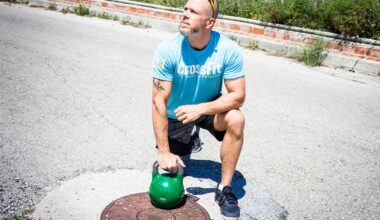
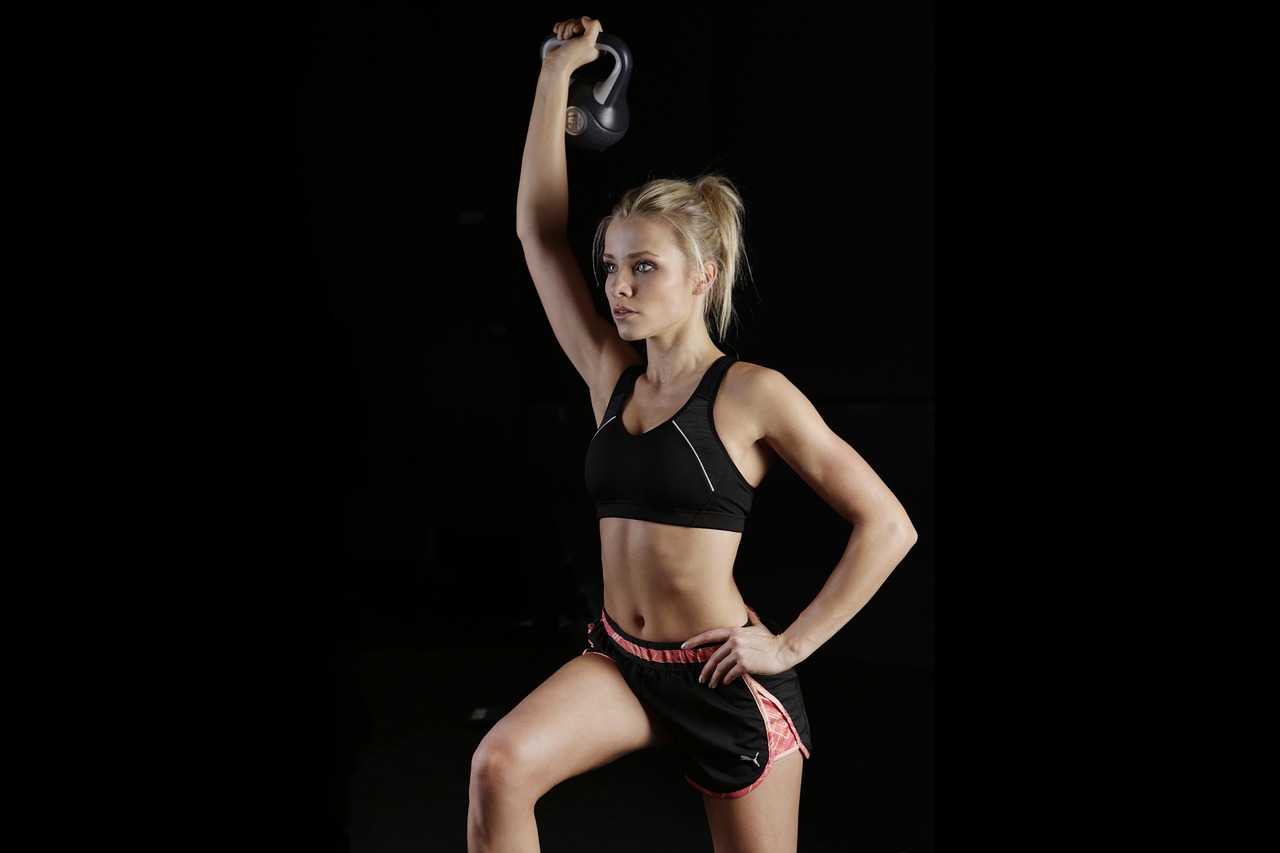
When integrating plyometric and strength training, certain exercises can effectively target both systems. Examples of target exercises include squat jumps, box jumps, and kettlebell swings that engage multiple muscle groups. Additionally, push-up variations with explosive movements are immensely beneficial. Olympic lifts such as cleans and snatches also encapsulate explosive power elements while building strength. Medicine ball slams provide an excellent opportunity to enhance power generation through core engagement and explosiveness. Step-ups using weights offer a unique way to develop coordination and stability while challenging strength levels. These exercises collectively promote both muscle power and functional strength, which translates directly to athletic performance. Implementing condition-focused workouts further enables the development of speed and agility, essential for competitive sports. Furthermore, athletes should prioritize proper nutrition and hydration to support these intense training regimens. Fueling the body properly aids in recovery and performance during both strength and plyometric sessions. Including stretching and cooldown exercises post-training helps in muscle recovery and flexibility. Athletes are encouraged to be aware of their body’s responses during these routines, ensuring they listen to feedback from their muscles.
Recovery strategies play a vital role when combining plyometric training with strength routines. Adequate rest between training focuses can significantly enhance performance while reducing injury risks. Active recovery sessions involving low-impact activities encourage blood circulation, promoting muscle repair. Techniques such as foam rolling and massage can help relieve soreness and prevent stiffness in muscles. Attention to nutrition is equally important; nutrient timing can optimize recovery after intense workout sessions. Consuming balanced meals rich in proteins, carbohydrates, and healthy fats supports muscle repair and growth. Hydration also influences recovery outcomes, affecting muscle function and overall energy levels. Proper stretching routines before and after workouts can enhance flexibility while preventing or mitigating injuries. Additionally, maintaining an appropriate sleep schedule contributes to recovery by allowing muscles to heal and regenerate. Implementing periodic deload weeks in training schedules allows athletes to recover fully. It is essential to monitor fatigue levels, ensuring that training loads remain manageable. Athletes are encouraged to complete regular assessments to track their progress. Utilizing innovative recovery techniques, such as cryotherapy or contrast baths, may further enhance recovery procedures.
Conclusion: Enhancing Performance through Discipline
The combination of plyometric training with strength sessions is a potent strategy to augment athletic performance. Both modalities deliver distinct benefits that contribute towards improved muscular performance, explosive strength, and overall agility. Athletes who adopt this integrated approach should commit to regular assessments and adjustments to their programs to yield optimal results. Practicing discipline, together with proper recovery strategies, forms the foundation for sustainable athletic success. Maintaining enthusiasm and motivation through varied exercises can prevent training plateaus. Each athlete must recognize their unique abilities and limitations while striving for gradual improvement. Thus, personalizing training programs is crucial for success. The journey towards achieving peak performance thrives on consistency, monitoring, and adjusting routines based on feedback. As conditioning techniques evolve, embracing innovation within training philosophies will allow athletes to stay ahead in their fields. Lastly, ensuring a solid support network, including coaches, trainers, and fellow athletes, can provide motivation and camaraderie throughout the training journey. In conclusion, the harmonious integration of plyometrics and strength training heralds a pathway to extraordinary performance achievements.
Key Takeaways from This Integration
Combining plyometric training with strength workouts offers a unique approach to achieving athletic excellence. By understanding and applying the principles outlined, athletes can foster explosive strength, agility, and enhanced overall performance. Progress requires adapting protocols to match individual capabilities, ensuring safety and effectiveness in each session. Adequate recovery and nutrition complement the training, nurturing the body’s ability to respond positively. Staying current with emerging techniques and research can offer further insights into enhancing training methodologies. Ultimately, the journey towards peak performance is multifaceted; incorporating diverse exercises furthers adaptability. Continuous learning from each experience within training positively influences future performance. Successful integration cultivates resilience and mental strength alongside physical improvements, culminating in true athletic development and sophistication.