
Bodyboarding vs Surfing: Differences and Similarities
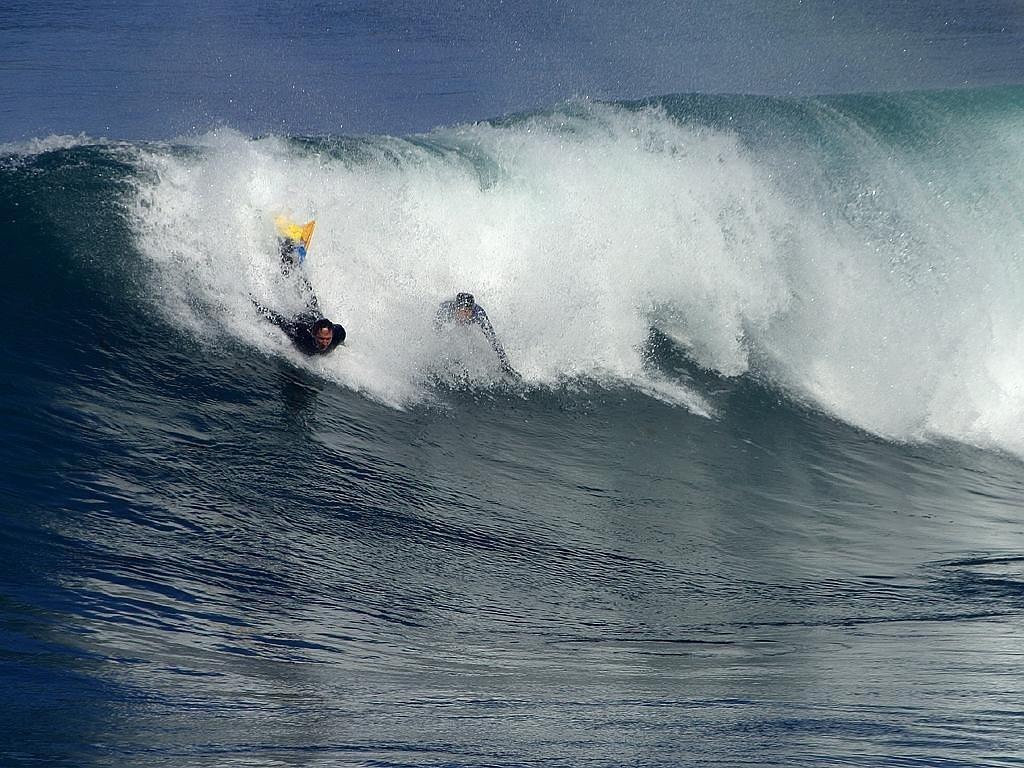
Bodyboarding and surfing are two popular wave-riding sports that share some similarities but boast distinct characteristics. Both activities involve riding ocean waves, which creates a thrilling experience for enthusiasts. The primary difference lies in the equipment used. Surfers ride on a longboard or shortboard, which requires standing up to balance and maneuver. In contrast, bodyboarders use shorter and wider boards that allow them to ride waves lying down, kneeling, or even standing. Additionally, each sport attracts different types of participants. Surfing often appeals to those seeking a challenging skill set, while bodyboarding caters to individuals who prefer a more accessible and relaxed approach to wave riding. Such preferences have led to both sports developing unique communities, cultures, and competitions that cater to diverse audiences. This article will explore these differences and similarities in-depth, shedding light on what makes each sport unique yet gratifying for wave enthusiasts. Factors influencing an individual’s choice between surfing and bodyboarding might include personal preference, local conditions, and skill level.
The equipment utilized in both bodyboarding and surfing significantly influences the performance of riders. Bodyboarding employs a shorter, more buoyant board typically made from foam, allowing for greater maneuverability. Conversely, surfers use longer, more rigid boards, which help them perform advanced tricks and maintain balance while standing. Different board shapes, sizes, and materials suit varying skill levels and conditions, catering to both sports. For instance, various types of bodyboards exist, including those designed for specific wave types, while surfboards come in many varieties, such as longboards, shortboards, and fish. This variety of equipment enables riders to adapt their approach based on the environment and personal preference. Additionally, wetsuits play a crucial role in both sports, providing insulation and protection from cold water and potential hazards. Surfing and bodyboarding practitioners often find themselves debating which sport holds more prestige or excitement. While surfers may boast about their ability to execute jaw-dropping maneuvers, bodyboarders could counter with their ability to harness the same wave’s force in creative and innovative ways. Ultimately, both sports capture the exhilarating essence of riding waves.
Skill Levels and Learning Curves
When considering the learning curves for bodyboarding and surfing, it’s essential to note that each sport presents its unique challenges. Many beginners find bodyboarding easier to learn because it focuses on riding the wave close to the surface of the water. Bodyboarders can utilize their body weight and instinctive movements to control their ride, making the sport more accessible for newcomers. Surfing, on the other hand, generally demands greater balance and coordination to successfully stand on the board while paddling out to catch waves. As a result, novice surfers often take longer to become proficient in comparison to bodyboarders. However, the learning process varies based on the individual’s athleticism and previous experience with similar sports. Many experienced riders from one discipline may find transitioning to the other sport achievable, yet they may still face challenges in mastering new techniques and skills unique to the alternative discipline. Additionally, both sports have essential safety measures that riders must learn and practice. It is crucial for any wave rider to become familiar with local conditions, rip currents, and general ocean safety to ensure both enjoyment and safety.
The thrill of entering the ocean and catching waves can create a powerful sense of community in both sports. Bodyboarding and surfing share common social dynamics, with local surf spots often serving as gathering places for enthusiasts. These shared spaces foster camaraderie among participants, where they exchange tips, stories, and experiences. Events such as competitions, clinics, or even informal gatherings contribute to building a strong sense of belonging among wave riders. While both surfers and bodyboarders may stand side by side in the lineup, they operate under different recognitions and respect for each other’s chosen sport. Friendly rivalries may even arise, further emphasizing the sense of community inherent in both activities. Furthermore, environmental consciousness unites aficionados of both sports, as they often share a passion for preserving ocean ecosystems and beaches. This shared responsibility encourages collaborative efforts among athletes, prompting initiatives aimed at promoting ocean health and clean coastlines. As the popularity of both sports continues to grow, recognizing and respecting each other’s approaches is vital in maintaining a healthy relationship between bodyboarding and surfing communities.
Competition and Sportsmanship
Competitions are integral to both bodyboarding and surfing, providing opportunities for athletes to showcase their skills and gain recognition. Many established events cater to both sports individually, with prestigious competitions like the World Surf League for surfers and the IBA (International Bodyboarding Association) for bodyboarders. These events often bring together participants from various backgrounds, showcasing their talent and passion for riding waves. Although friendly rivalries exist, sportsmanship transcends the competitive landscape, as both communities foster respect and support. Both surfers and bodyboarders celebrate each other’s achievements during contests, recognizing the unique talents and techniques inherent to each sport. Despite their rivalry, many athletes participate in both sports, learning from one another and sharing tips to enhance their performance. The crossover of skills between bodyboarding and surfing ultimately contributes to each community’s growth, promoting a healthy exchange of knowledge and experience. As athletes progress through the ranks, they establish themselves as representatives of their respective sports, thereby inspiring budding enthusiasts to embrace either discipline. Through camaraderie and shared values, competitions serve as a reminder of the collective passion for the ocean.
In conclusion, both bodyboarding and surfing are thrilling water sports that share a common love for the ocean. Riders can engage with waves in unique ways, experiencing the adrenaline and joy inherent in wave riding. While equipment and techniques differ significantly between the two, enthusiasts of both sports typically express similar passions for their chosen discipline. Athletes may choose one sport based on personal preferences, accessibility, or their unique approach to riding waves. Additionally, the elements of community and camaraderie are prevalent in both activities, fostering connections among wave riders regardless of which discipline they choose. It is important to recognize the beauty in these differences while celebrating the resilience, skills, and experiences that each community offers. The mutual respect between surfers and bodyboarders cultivates a dynamic environment that enriches both sports, generating increased interest in wave riding. As new generations of enthusiasts continue to emerge, the lines between these two sports may blur, leading to innovations and shared knowledge that benefit all individuals involved in riding the waves. Ultimately, both bodyboarding and surfing exemplify the invigorating spirit of ocean sports and the joy they bring to countless lives worldwide.
Whether you are new to either sport or a seasoned expert, trying out both bodyboarding and surfing can provide invaluable experiences. With countless coastal destinations offering optimal conditions for both activities, there has never been a better time to explore the ocean’s bounty. The fusion of exhilarating rides, community spirit, and environmental awareness makes wave riding a captivating pursuit for all. Embracing both sports allows you to discover personal preferences while promoting empathy and camaraderie among fellow riders. Each wave offers a different thrill, and the ocean holds countless opportunities for adventure. In addition, trying both sports can help develop a deeper understanding of the ocean and its unique characteristics, enriching the overall experience for all participants. Thus, jumping between bodyboarding and surfing may reveal hidden talents you never knew existed. Don’t hesitate to immerse yourself into the world of wave riding, where excitement and serenity coexist. Set goals and strive for personal growth in whichever water sport you choose. Whether you ultimately stick with bodyboarding, surfing, or a mix of both, you will undoubtedly find joy, challenge, and a sense of purpose in your pursuit of wave riding.
Ultimately, the journey of exploring both bodyboarding and surfing provides a unique opportunity for growth and connection within the ocean sports community. As you engage with waves through various techniques, backgrounds, and mindsets, you will cultivate valuable skills that extend beyond the water. Each experience, whether exhilarating or challenging, contributes to developing resilience and self-confidence. Furthermore, connecting with others and forming lasting friendships allows you to build a support network that nurtures growth in both sports. Embracing a shared passion for wave riding fosters a sense of belonging among participants, making it easier to exchange tips, experiences, and knowledge. As you progress as a rider, consider reflecting on what aspects of each sport resonate with you most. Whether you find joy in bodyboarding’s accessibility or surfing’s technical depth, your unique journey will contribute to the broader evolution of ocean sports. The adventure you embark on paves the way for others in the community, encouraging new riders to explore the thrilling world of bodyboarding and surfing. In conclusion, both sports provide their own brand of excitement, camaraderie, and personal growth that enriches the lives of countless wave enthusiasts.