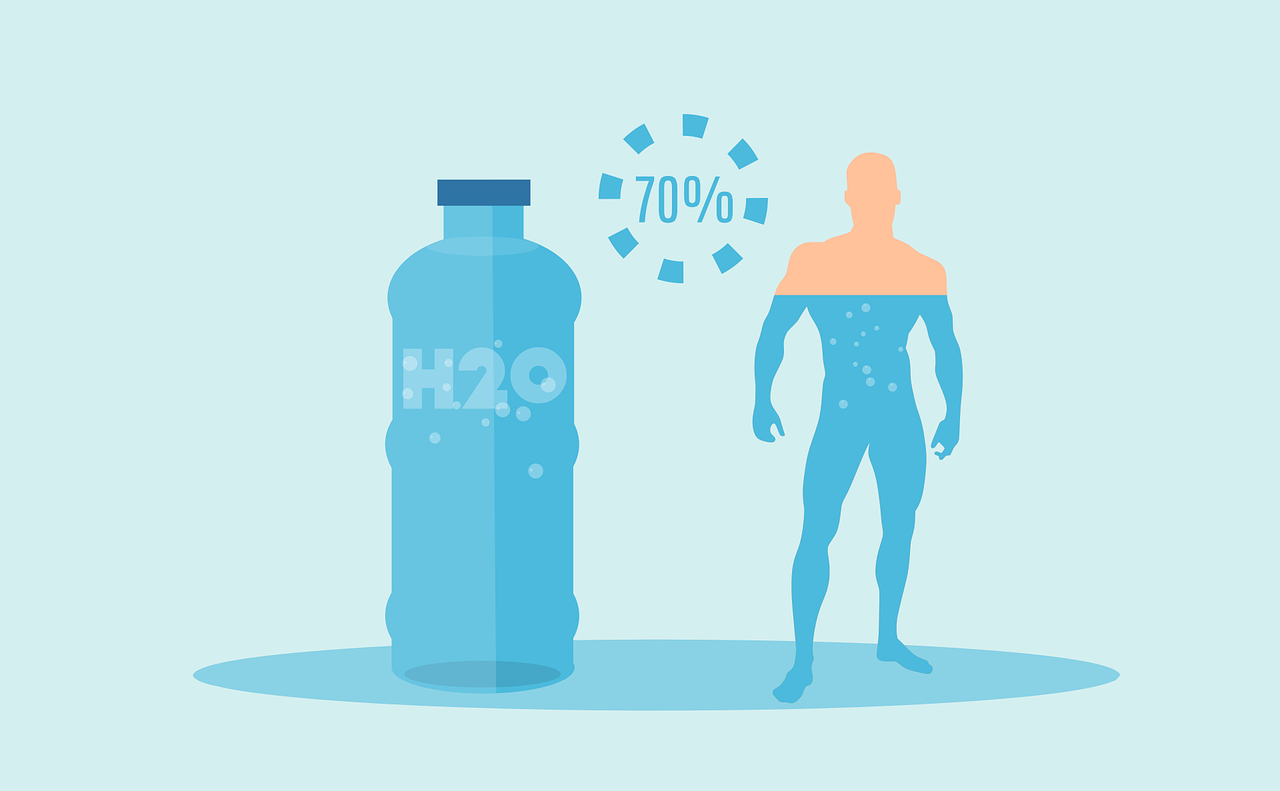

Monitoring Hydration Levels Throughout Tennis Training Sessions
Ensuring proper hydration is vital when training for tennis. Tennis players can easily become dehydrated due to long sessions on the court, especially on warm days. The body loses fluids through sweat, which is essential to regulate body temperature, but it can lead to dehydration if not adequately replaced. Regularly monitoring hydration levels helps in optimizing performance and maintaining health. During training, players should be aware of the symptoms of dehydration, which can include fatigue, headache, muscle cramps, and dizziness. To prevent such issues, focus on developing a hydration strategy that ensures you are drinking enough fluids. One effective method is to weigh yourself before and after sessions, which can help you determine how much fluid needs to be replaced. In addition, pay attention to your urine color; pale yellow signifies adequate hydration while dark yellow suggests a need to drink more water. Using electrolyte beverages can also be beneficial during intense practice sessions, but balancing that with water intake is essential for overall hydration. Proper hydration not only aids performance but also contributes to faster recovery, reducing muscle soreness after intense training.
Understanding your individual hydration needs is critical for optimal performance. Each player’s hydration requirements can vary significantly based on factors like body weight, workout intensity, and climate conditions. Some players may need to drink more than others, depending on how much they sweat. Consider consulting with a sports nutritionist to personalize your hydration strategy based on these factors. It’s also crucial to assess your fluid intake before, during, and after training sessions. Begin hydrating well before stepping onto the court and maintain a steady intake of fluids while playing. A good rule of thumb is to drink approximately 17-20 ounces of fluid about two hours before exercise, followed by another 8-10 ounces shortly before starting your session. During training, small, frequent sips are more effective than large amounts at once. Consistent hydration is key for sustaining energy levels, ensuring alertness, and enhancing physical performance. As your training progresses, keep track of how you feel and adjust your intake accordingly. Combining awareness of your body’s signals with a structured hydration plan can ultimately lead to improved performance and better overall health.
Hydration Strategy for Warm Weather
Hot and humid weather can exacerbate hydration issues, making it all the more critical to stay vigilant about fluid intake. When temperatures soar, your body loses fluids more rapidly through sweat, increasing the risk of dehydration. For tennis players training in these conditions, it’s essential to adapt your hydration strategy accordingly. Start by increasing your fluid intake a day or two before your session. Additionally, try to plan your training around cooler parts of the day, such as early mornings or evenings. Wearing light-colored, breathable clothing can also help reduce heat retention and minimize sweating. While playing, set regular intervals to drink fluids, ideally every 15-20 minutes. This can include not only water but also sports drinks that contain electrolytes, which are essential for muscle function and hydration. After your training, continue to hydrate adequately by consuming fluids; this can help control body temperature and replace the fluids lost during exercise. If you notice signs of overheating, it’s crucial to take immediate breaks, hydrate, and rest. Monitoring hydration in warm conditions is essential for both safety and performance efficacy.
In addition to proper fluid intake, nutrition plays a significant role in hydration levels. Foods can contribute to hydration, particularly fruits and vegetables with high water content. Incorporating items like watermelon, cucumbers, oranges, and strawberries into your diet can enhance your hydration efforts. These foods not only provide essential vitamins and minerals but also help maintain electrolyte levels, which are crucial for optimal athletic performance. Combinations of high-water-content foods can be advantageous, especially when consumed before or after training sessions. Consuming a balanced diet also allows your body better access to hydration, as certain nutrients can aid in fluid absorption. Pairing your hydration strategies with nutrient-dense snacks can bolster recovery and enhance energy reserves for your next training session. Taking into account the timing of meals also matters; avoid heavy meals right before training, as they can divert blood flow away from muscles and slow down performance. Instead, aim for light, nutritious options about an hour or two before training, allowing your body to digest while providing essential hydration through your food choices.
Recognizing Dehydration Symptoms
Recognizing the signs of dehydration is crucial for tennis players striving for peak performance. Symptoms can often be subtle but can escalate quickly if not addressed promptly. Early indicators include thirst, fatigue, and dark yellow urine. Fatigue can compromise performance significantly, making it difficult to maintain focus or energy levels during important moments in practice or matches. More severe symptoms may include dizziness, headache, muscle cramps, and overall weakness, leading to decreased coordination and reaction times. As a tennis player, understanding these signals allows you to take proactive steps before dehydration severely impacts your performance. An effective strategy includes regularly checking your hydration levels during breaks and signifying whether to increase fluid intake. Use hydration tools, such as hydration tracking apps or smart water bottles, to remind you to drink or even measure your intake. It can be beneficial to educate your teammates as well, creating a supportive environment for everyone’s hydration needs. If dehydration persists despite regular hydration, consider consulting a healthcare professional or sports coach for tailored advice and strategies to improve your hydration habits for better performance.
Incorporating hydration strategies into your training routine requires discipline and consistency. Developing a hydration plan involves more than merely drinking water; it necessitates a comprehensive approach that encompasses all aspects of your training. Always keep a water bottle nearby during practice and utilize it as a reminder to drink regularly. Setting hourly goals for fluid intake can be beneficial, along with planning hydration breaks during practice sessions, where all players pause to refresh and drink. Carrying portable electrolytes can also ease hydration efforts during intense drills or matches. Maintain awareness of external conditions such as temperature and intensity to adjust your hydration strategy accordingly. Staying organized with your hydration strategy keeps you on track, not only physically but mentally as well. Hydration levels can significantly influence cognitive decision-making, affecting your ability to strategize and execute in real-time. By incorporating hydration into your overall training planning, you ensure that every practice maximizes your potential and prepares you effectively for competitive play. Be proactive about your hydration and reap the benefits through improved focus, energy, and performance.
Conclusion
Monitoring hydration levels during tennis training is a non-negotiable aspect of optimal performance and safety. Players should prioritize hydration strategies that align with their individual training needs and conditions, tailoring them to their specific goals. Incorporate both water and electrolyte-based drinks throughout your training sessions, especially when engaging in highly effortful periods. Alongside hydration, maintaining proper nutrition contributes to better absorption and retention of fluids. Players should regularly check for symptoms of dehydration and take immediate action to counteract adverse effects. Create a supportive atmosphere within your training group where everyone is held accountable for their hydration efforts. Moreover, employing hydration tracking tools can help maintain awareness and encourage regular intake. As you practice these habits, remember that maintaining hydration goes hand in hand with overall athletic development. The commitment to monitoring and improving your hydration levels is an investment in your performance, ensuring sustained development in your tennis journey. Improving hydration awareness leads you to unlock your full potential, resulting in a higher level of play and minimized health risks.
Ultimately, integrating hydration awareness into your tennis training is essential for maximizing performance and enjoyment of the sport. Embrace every opportunity to educate yourself about the need for adequate hydration and its importance in athletic performance. By prioritizing hydration, you not only protect your physical health but also support your overall athletic progress. Hydration and nutrition together create the foundation upon which successful tennis training is built. Each session presents a chance to refine your strategy, learn your body’s needs, and elevate your game continuously. Ultimately, players dedicated to monitoring and improving their hydration levels will find themselves performing at improved capacities and enjoying the game more fully. It’s not merely about drinking fluids; it’s about creating a robust training environment rooted in understanding and balanced physical needs. By implementing a comprehensive hydration strategy, tennis players will achieve both short-term performance goals and long-term athletic success. Commit to this journey, remaining dedicated to the evolution of your training practice, and witness the difference proper hydration can make in every session.