
Beginner’s Guide to Kettlebell Training for Women
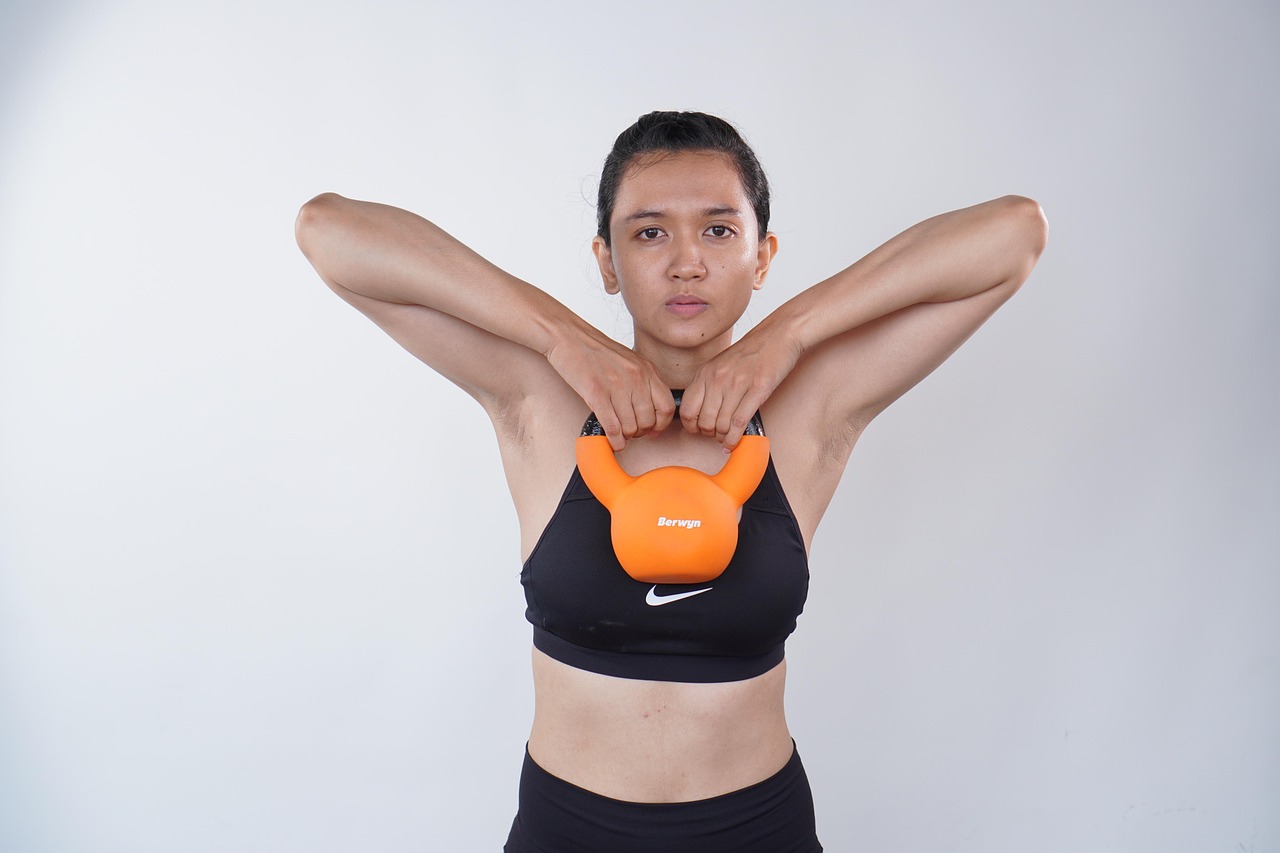
Kettlebell training offers a fantastic means for women to enhance their strength, flexibility, and endurance while simultaneously promoting fat loss. A kettlebell, with its unique design, allows for a diverse range of exercises targeting various muscle groups. The swing, snatch, and Turkish get-up are popular movements that not only improve muscle tone but also boost cardiovascular fitness. Beginners should focus on mastering essential forms and techniques to maximize effectiveness and reduce injury risk. Start with lighter kettlebells to learn the movements properly and gradually increase weights as proficiency improves. It’s critical to maintain a proper stance, engage the core, and use controlled movements throughout your workouts. Incorporating kettlebell workouts into a weekly routine can deliver significant results. For optimal results, combine your kettlebell sessions with a balanced diet, ensuring sufficient protein intake and hydration. There are numerous online resources, including videos and articles, providing guidance and workout routines tailored for women. Seek out communities or trainers specializing in kettlebell training to further refine your skills and gain support on this empowering fitness journey.
Benefits of Kettlebell Training for Women
The benefits of kettlebell training are extensive, making it an excellent option for women of all fitness levels. Firstly, kettlebell training helps build lean muscle mass, contributing to a toned appearance and facilitating better metabolism. With increased muscle, women can expect to burn more calories throughout the day, even when at rest. Additionally, kettlebell workouts improve core strength, which is essential for overall stability and preventing injuries during other activities. Cardiovascular health benefits also arise from kettlebell training, as many exercises are performed at a pace that elevates the heart rate. This type of training is highly efficient; a full-body workout can often be achieved in under 30 minutes, enabling busy women to fit fitness into their schedules. Flexibility and balance improve as kettlebell exercises require dynamic movements incorporating stretching and coordination. Moreover, kettlebell training can be done at home or the gym, providing the flexibility to suit individual preferences and lifestyles. Overall, kettlebell workouts are a powerful tool in achieving fitness goals while promoting empowerment and self-confidence.
For women just starting their kettlebell training journey, it is crucial to select the appropriate kettlebell weight. Many women often make the mistake of choosing a kettlebell that’s too heavy, leading to improper form and potential injury. Generally, a kettlebell weighing between 8 to 12 kilograms (around 18 to 26 pounds) is recommended for beginners; however, this may vary based on individual fitness levels. Once the basic movements are mastered and confidence increases, individuals can gradually progress to heavier weights. Women should also consider investing in a kettlebell with a durable handle for a secure grip, as this adds to overall safety and comfort during workouts. It’s also beneficial to integrate variations of exercises focusing on different body parts. Some classical kettlebell exercises include goblet squats, kettlebell deadlifts, and swings. Focusing on a mixture of these movements ensures a comprehensive workout targeting the entire body while building strength and endurance. After establishing a solid foundation, adding more complex maneuvers will keep the workouts engaging and help break through any fitness plateaus.
Designing Your Kettlebell Workout
When designing a kettlebell workout tailored for women, consider targeting various muscle groups to create a balanced routine. A well-rounded session could include components focusing on strength, cardio, and flexibility. For strength training, begin with foundational exercises such as kettlebell swings, goblet squats, and deadlifts, which engage major muscle groups. Incorporate these movements into sets of repetitions (e.g., 8-12 reps) with sufficient rest in between. Following the strength section, add high-intensity intervals targeting cardiovascular fitness. Performing exercises like kettlebell snatches or swings at maximum effort for 20 to 30 seconds, followed by brief rest periods, can elevate heart rates. For flexibility, include stretches that involve kettlebells, such as the windmill or the Russian twist, promoting muscle recovery and range of motion. As you progress, aim to modify your workouts by increasing weights, reps, or durations to keep adapting and challenging your body. Remember to warm up properly before each session and cool down and stretch afterward to support recovery and bolster progress in kettlebell training.
Nutrition plays an essential role in complementing your kettlebell training, especially when focusing on weight loss or muscle gain. For optimal performance, prioritize a balanced diet comprising whole foods rich in nutrients. Consume adequate protein to support muscle repair and growth, as kettlebell training can cause micro-tears in muscle fibers that need rebuilding. Healthy sources of protein include lean meats, eggs, legumes, and dairy products. Incorporate a variety of colorful vegetables and fruits to ensure an ample supply of vitamins and minerals essential for recovery. Further, healthy fats, such as those found in avocados, nuts, and olive oil, are important for overall health and help maintain energy levels. Staying hydrated is also crucial; aim for at least 2 liters of water daily, exceeding this during workouts. Lastly, consider pre-workout snacks that provide energy, such as a banana or some yogurt. These will enhance your performance, enabling you to get the most out of your kettlebell workouts. A focus on nutrition, paired with consistent exercise, will drive the best results from your kettlebell training regimen.
Common Mistakes to Avoid
While kettlebell training is designed to be beneficial, beginners often make critical mistakes that can hinder progress or lead to injury. One common error is neglecting proper warm-up routines, which are essential in preparing the muscles and joints for the workout. Skipping warm-ups can result in stiffness or limited mobility during the training session. Additionally, poor form is another issue, often arising from using kettlebells that are too heavy. Focus on perfecting your technique and control before increasing weight, as improper form may lead to injuries. Ignoring recovery time is also a mistake, as allowing muscles to recuperate is crucial; overtraining can impede progress and elevate injury risks. Furthermore, many beginners may not pay attention to breathing patterns, compromising their stamina and performance throughout exercises. Incorporate conscious breathing through each movement to maintain energy levels. Lastly, women might feel pressure to constantly push themselves; however, ensuring that sessions remain enjoyable is vital. Finding the right balance between challenge and enjoyment can lead to sustainable success in kettlebell training for women.
In conclusion, kettlebell training is a beneficial and empowering method of fitness for women. This guide has highlighted the fundamentals of getting started, the numerous advantages of kettlebell workouts, essential techniques, and how to design effective training regimes. It is important to adopt a positive mindset, focusing on consistency and gradual progression over time. Embrace the learning process as you develop your strength and finesse with kettlebell movements. Additionally, engage with local or online communities of fellow kettlebell enthusiasts; they can provide encouragement and share insights to enhance your training experience. Moreover, take the opportunity to participate in workshops or classes led by experienced trainers focusing on kettlebell techniques. By prioritizing education and practicing regularly, you will only become stronger and more confident in your abilities. Never forget that fitness is a journey rather than a destination; celebrate your milestones, whether big or small, to maintain motivation. Kettlebell training is a unique and enjoyable workout approach that can yield empowering results when approached mindfully, safely, and enthusiastically.