
The Science of Detoxifying Through Sweat and Exercise
Detoxification is increasingly recognized for its important role in promoting overall health. Our bodies accumulate toxins from various sources, including pollution, processed foods, and medications. One effective method for detoxifying is through sweat, which can be stimulated via exercise. Enhanced circulation during physical activity helps flush out harmful substances while the sweat provides an exit route for toxins. Studies indicate that sweat contains heavy metals, urea, and lactate, showcasing the potential of sweat as a detox method. Moreover, exercise boosts cardiovascular health, strengthens muscles, and improves mental well-being. This combination ensures your detox routine is thorough, supporting bodily functions, enhancing mood, and promoting longevity. The multitude of benefits highlights the essential contribution of physical activity in any detox plan, making it an enjoyable and rewarding part of our lifestyle. Regular workouts provide an efficient pathway to enhance detoxification processes within the body. Observing the effects of different types of exercises can guide individuals toward optimal detox results, whether through cardio, strength training, or yoga. Embrace this holistic approach to health, understanding how sweat from exercise contributes significantly to effective cleansing.
There are several types of exercises that can significantly enhance the detox processes in our bodies. Cardiovascular exercises such as running, cycling, or swimming elevate the heart rate and stimulate perspiration. As you engage in these activities, you not only experience increased circulation but also push out toxins through sweat. Strength training, on the other hand, helps build muscle and promotes metabolism, which is crucial for effective detoxification. Activities like weightlifting can further improve hormonal balance and enhance your body’s ability to eliminate waste. Additionally, exercises that promote stretching, such as yoga, help improve blood flow and lymphatic drainage. These routines can aid liver and kidney functions, pivotal organs in the detoxification process. Furthermore, performing these exercises regularly can help establish a healthy routine that supports your body’s natural detox processes. Adequate hydration is equally vital in this context, as it helps in flushing out toxins effectively. Consider scheduling your detox workouts in tandem with proper hydration to maximize their impact. Ultimately, fostering a flexible and balanced exercise regimen can empower your body to efficiently detox and cleanse.
The Role of Hydration in Detoxifying
Hydration plays a pivotal role in the detoxification process, particularly when combined with sweating and exercise. When you exercise, your body loses fluids through sweat, and it is essential to replenish these lost fluids to maintain overall health. Adequate hydration supports kidney functions, enabling them to filter toxins and waste from the blood effectively. Additionally, water assists in transporting nutrients throughout the body and facilitates digestion, ensuring everything works harmoniously to support detoxification. Optimal hydration can also improve skin health, allowing it to function as a barrier against toxins. When your skin is well-hydrated, it can better withstand environmental toxins, aiding the detoxification process. To ensure you remain hydrated, try to consume 8-10 glasses of water daily, and increase this amount based on your exercise intensity. Incorporating hydrating fruits and vegetables into your diet, like cucumbers and melons, can further enhance hydration levels. Developing a routine for pre- and post-exercise hydration can amplify your detox efforts and promote your overall well-being. By recognizing the connection between hydration and detoxification, you empower yourself to enhance the cleansing process effectively.
The timing of your exercise can be an essential factor boosting detoxification through sweat. Morning workouts may stimulate metabolism and kickstart your body’s natural detox processes for the day. Engaging in physical activity before daily meals can also improve digestion, ensuring your body effectively manages and eliminates waste. Alternatively, evening exercise may help in stress reduction and improve sleep quality, indirectly promoting detoxification during the night. Each body reacts differently to workout schedules, so find a time that suits your lifestyle and preferences. Listening to your body’s rhythm is key to maximizing the benefits of exercise as a detox strategy. High-intensity workouts may be beneficial but should be balanced with restorative activities like yoga and stretching. Finding this balance aids muscle recovery and prevents stress, allowing for effective detoxification. Interval training can provide the dual benefit of burning calories while promoting sweating and detoxification in shorter sessions. Experimenting with various workout styles and timings can help find what best aligns with your goals for detoxification. Establishing and maintaining a consistent routine will ultimately contribute to your overall physical and mental wellness.
Skin Health and Detox
Our skin is one of the largest organs and acts as an essential part of the detoxification system. Regular sweating through exercise helps unclog pores and eliminate dirt and toxins that accumulate on the skin’s surface. As your sweat glands work, they release impurities, including heavy metals and alcohol, helping achieve clearer skin and improving its tone and texture. Furthermore, exercise promotes increased blood circulation, resulting in enhanced delivery of essential nutrients and oxygen to skin cells. This boost in circulation promotes a healthy glow and aids in the regeneration of skin cells. Incorporating a consistent exercise regime that includes activities inducing sweating can lead to long-term skin benefits. To augment the detox potential of your workouts, consider integrating a skincare routine that cleanses and hydrates your skin post-exercise. The synergy between sweating and proper skincare can help combat the effects of environmental pollutants effectively. With an emphasis on skin health, understanding how exercise contributes to its detoxification will motivate you to maintain an active lifestyle for overall wellness. This integrated approach to fitness and skincare builds lasting benefits that extend beyond superficial enhancements.
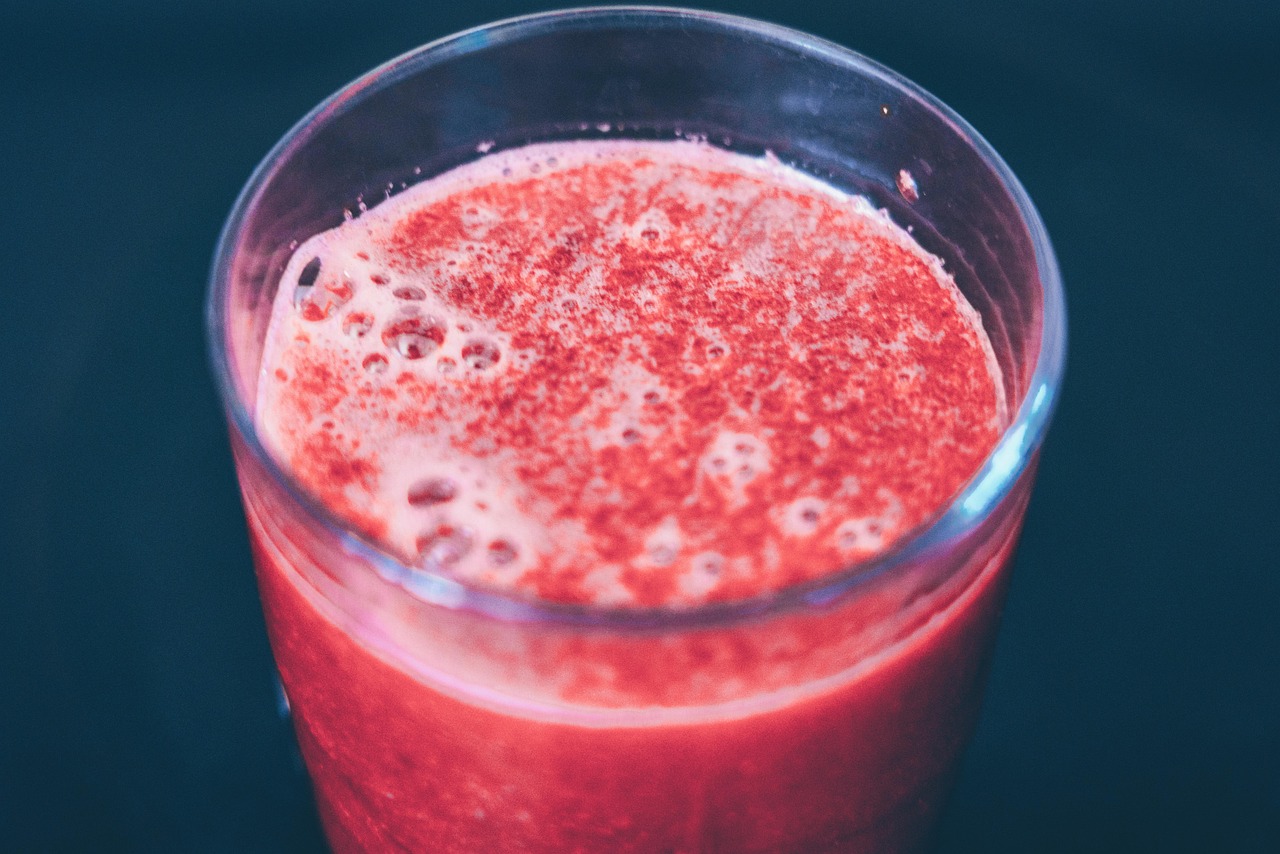
Nutrition complements the detoxification process initiated by exercise and sweating. Consuming a diet rich in antioxidants can support your body’s ability to fight free radicals and toxins. Incorporate foods like fruits, vegetables, nuts, and seeds, all known for their detoxifying properties. Detox drinks, particularly those made from herbs, fruits, and vegetables, can further aid the cleansing process. Infusing water with lemon or detox-friendly vegetables like ginger can boost metabolism and promote elimination. Additionally, fiber-rich foods are essential as they help cleanse the digestive tract and regulate bowel movements. Regular bowel movements are crucial for discarding toxins and maintaining overall health. A balanced intake of healthy proteins and fats also provides energy for your workouts while ensuring optimal bodily function. Combining exercise with a healthy, detoxifying diet enhances the results of detoxification efforts created through workout sessions. Be conscious of processed foods, excess sugars, or heavy fats that can hamper your detox goals. These food choices may introduce toxins into the body, counteracting the benefits of exercise. Adopting a comprehensive approach to nutrition and exercise can lead to effective cleansing.
Creating a Sustainable Detox Routine
Developing a sustainable detox routine is essential for long-term health benefits. Emphasizing gradual changes rather than extreme detox fads can support your body’s needs without stress or deprivation. Aim to include various exercises that promote sweating, such as aerobics, dancing, or even vigorous walking. Consistency is key: strive for at least 150 minutes of moderate aerobic activity weekly, according to health guidelines. Include rest days to allow your body to recover and reap the rewards of your efforts. Alongside exercise, ensure hydration remains a priority, alongside nutrient-dense foods that empower your detox routine. Consistently tracking your progress can offer motivation and accountability, helping to maintain your commitment. Engage in activities you enjoy—whether dance classes or outdoor sports—to make the process enjoyable. Participating in group activities can also enhance motivation, creating an encouraging environment. As you cultivate your sustainable detox routine, be open to adjusting your approach based on feedback from your body. This flexibility fosters a balance between effort and relaxation, ensuring you don’t compromise your wellness goals. Ultimately, investing in sustainable practices will enhance your overall health and wellness.
To conclude, understanding the science of detoxification through sweat and exercise provides valuable insights into improving health and wellness. This journey involves a multifaceted approach that includes exercise, nutrition, and hydration working cohesively to enhance detoxification. Engaging in regular physical activity helps stimulate detox processes, while proper hydration supports the kidneys to efficiently filter toxins. The benefits of incorporating healthy foods, enriched in antioxidants and fibers, cannot be overstated, as they work synergistically with exercise to promote cleansing. Beyond physical benefits, adopting an active lifestyle can contribute to better mental health, thereby fostering an overall sense of well-being. Key elements like enjoying your diet and exercise routine and maintaining hydration lead to long-term success in detoxification efforts. It is essential to approach detoxification as an ongoing journey rather than a short-term goal. By prioritizing enjoyment and sustainability, you ensure that your health journey transforms into a lifestyle change. Consider exploring new workout or dietary options as part of this ongoing process. Embrace your body’s unique rhythm, and cultivate a relationship with health that nurtures both body and mind for lasting wellness.