
Mastering Footwork in Plyometric Aerobic Dance
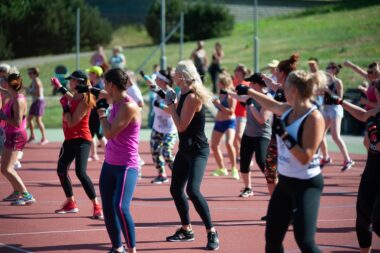
Plyometric aerobic dance combines high-intensity movements with rhythmic beats, creating a unique workout regime. This type of aerobic exercise enhances cardiovascular endurance while also improving agility, coordination, and footwork. Mastering footwork is crucial in achieving optimal results from your workouts. It requires not only strength but also a strong understanding of the various techniques associated with plyometric movements. Engaging properly in these drills means developing your ability to move quickly and efficiently. Proper footwork can significantly affect the overall performance and effectiveness of your exercises. As you practice, focus on how your feet connect with the ground, utilizing rebounds and quick movements. A strong foundation in your footwork techniques can translate into better performance in other areas, including dance and sports. To begin mastering footwork, concentrate on the position of your feet and how they interact with the rhythm. Gradually incorporate different dance moves and transitions, increasing difficulty as you progress. It’s essential to challenge yourself to continually evolve your skills as an aerobics dancer.
Your footwork during plyometric aerobic drills lays the groundwork for your rhythm and energy. When starting out, ensure you build a solid base by practicing essential movements like jumps, lunges, and sprints. The goal of plyometric aerobics is not merely to jump but to move deliberately and gracefully. Begin with a warm-up to activate your muscles and prepare your joints for dynamic movement. As you warm up, include stretching exercises to enhance your flexibility, which is crucial for executing intricate moves. Once your body is prepared, focus on your form. Maintain a slight bend in your knees and ensure your core remains engaged during drills. This will facilitate better balance and control over your body. Plyometric movements often include explosive jumps that require rapid foot placement to avoid injury. As you become more comfortable, experiment with variations such as lateral hops and diagonal jumps. Challenge yourself by increasing the tempo of your work. The faster you move, the more coordination and agility will be demanded from your body, thus boosting the efficacy of your training sessions.
Essential Footwork Techniques
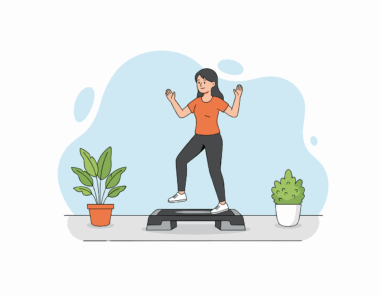
To elevate your plyometric aerobic dance to the next level, mastering specific footwork techniques is paramount. These techniques not only enhance your agility but also improve overall performance. Start with the basic stepping techniques involving various foot placements. Pay attention to how your feet react to the beat; this will be foundational as you integrate different rhythms. Focus on the placement of each foot when landing and during transitions. Use controlled movements and ensure that your foot fully contacts the ground for stability. Incorporating high-knees and butt kicks into your routine can improve your lifting technique and coordination, making your transitions smoother. Additionally, plyometric drills like box jumps can be very effective in enhancing your power and strength. These configurations develop not only technique but also muscle engagement throughout your legs. Remember to practice consistently, as repetition will solidify your skills, allowing for fluid and seamless movements. Document every progress and challenge yourself by increasing the difficulty of your drills. Before long, these maneuvers will feel like second nature, enhancing both your dance and aerobic skills.
Including strength and conditioning methods within your plyometric aerobic routines dramatically enhances your footwork performance. Building strength in the lower body translates directly to power in your jumps and agility in your dance moves. Focus on exercises targeting your quadriceps, hamstrings, calves, and core to create a well-rounded foundation. Squats, lunges, and calf raises are excellent for building strength in the essential muscle groups. In addition, adding resistance bands or weights can elevate your training regime. Implement these workouts two to three times weekly, alternating with your dance classes. This combination allows your body to recover while building endurance at the same time. Conditioning your body in this way significantly aids in sustaining energy levels during high-impact aerobic dance sessions. Don’t forget the importance of cross-training for improving your overall fitness; options such as swimming, cycling, or yoga can complement your plyometric training. The key is to keep your workout engaging and dynamic so that your body remains challenged. Remember, every little improvement in strength and conditioning feeds into your footwork effectiveness when practicing plyometric aerobic drills.
Improving Coordination and Agility
Coordination and agility are hallmarks of successful plyometric aerobic dancers, driving their ability to switch between movements effortlessly. These elements are built through targeted drills that sharpen your reflexes. Start with simple coordination exercises like skipping rope or lateral shuffles. These drills help activate your neuromuscular system and enhance your body’s response time. Incorporating faster movements will require your brain and muscles to communicate effectively, making transitions in your dance flows smoother. Couple these exercises with plyometric jumps that require quick foot placements. This will teach your body how to regain balance rapidly after intense movements. Add agility ladder drills into your routine; these improve foot speed and coordination. Many dancers benefit from practicing familiar routines at varied speeds, speeding up their usual pace gradually. Starting slow emphasizes control over body placement; as you advance, maintain fluidity while increasing speed. Document improvements in your coordination as mastery of these concepts leads to increased performance during more complex aerobic dance drills. Staying mindful of each movement creates muscle memory and reinforces how your body should navigate through rhythmic patterns.
Consider your rhythm and musicality while practicing plyometric aerobic dance. Recognizing the beat of the music helps you connect better with your movements and footwork. Start by focusing on smaller pieces of music, breaking down the rhythm into manageable sections. Gradually increase the complexity of the dance moves as you gain confidence. You can also practice with a metronome to enhance your timing. Establishing a strong sense of rhythm is essential as it allows you to synchronize your foot placements seamlessly. Experiment with different musical genres to discover which ones resonate most with your dancing style. Incorporating diverse musicality can significantly broaden your footwork versatility, preparing you for various dance environments. Engage with dance classes focusing on rhythm and timing to help train your listening skills along with motor function. Observing others as they dance provides insights into effective footwork techniques. Utilize video analysis to assess your progress and identify areas requiring improvement. Keeping an open mind allows for exploration of fresh concepts and formats, enhancing your ability to execute consistent, high-level performances while dancing.
Creating Seamless Transitions
Mastering your footwork goes beyond just performing successful moves; it includes flowing between those moves seamlessly. Transitioning smoothly from one step to the next is essential in plyometric aerobic dance, maintaining rhythm and energy. Begin by analyzing the transitions within your existing routines, identifying where flows feel choppy or awkward. Slow down the sequences to assess your movements, gradually speeding them up as you gain control and familiarity. Incorporate basic transitions like pivot turns, shuffles, or side lunges into your practice sessions where you can challenge and engage new methods seamlessly. Pay close attention to how your feet shift to optimize each transition. Mixing transitional moves into your routines, such as incorporating jumps or traveling steps, will further energize your practice. Maintaining a steady rhythm allows for constant movement, which can improve your inherent grace in dance. Commit time in rehearsals to focus specifically on these transitions until they feel effortless. Enriching your footwork with beautiful transitions not only improves your dancing technique but also raises the overall quality of your aerobic performance.
Lastly, always remember to cool down after engaging in your plyometric aerobic dance sessions. Giving your body time to recover is crucial for muscle repair and overall wellness. Implement stretching techniques targeting the legs, hips, and core to clear lactic acid buildup and prevent soreness and injuries. Gradually easing out of your workout with some light movements allows your heart rate to stabilize. Optionally, include foam rolling as part of your cooling routine to alleviate tight muscles and promote flexibility. Furthermore, hydrating after workouts ensures that you maintain energy levels for your next session. Reflection is also an important component of your post-workout routine; consider keeping notes on your progress toward learning footwork techniques. This reflective practice can aid in identifying areas of success and that require more focus. Seeking support from instructors or dance communities can provide additional insight and motivation. The journey to mastering plyometric aerobic dance may feel daunting at times, but each step forward brings tangible rewards and enhances your overall fitness. Celebrate your progress, and above all, enjoy the rhythm and movement of your evolving dance practice.