
The Truth About Senior Workout Intensity Levels
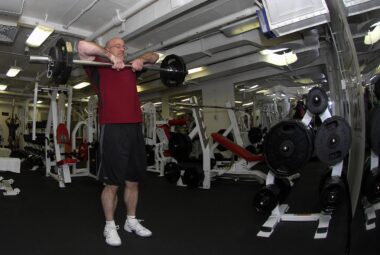
One common myth about senior fitness is the belief that older adults should engage in low-intensity workouts only. This misconception overlooks the diverse capabilities of seniors. In reality, many seniors are capable of handling moderate to high-intensity workouts, depending on their personal health and fitness levels. The notion that all seniors are frail and sedentary fails to recognize that aging can be accompanied by significant strength and endurance. Engaging in higher intensity workouts can improve strength, coordination, and cardiovascular health. According to multiple studies, increased intensity can lead to better fitness outcomes and enhanced overall well-being. Additionally, higher intensity training can prevent chronic illnesses often experienced by seniors, such as heart diseases or diabetes. So rather than sticking to light exercises, seniors should consider gradually incorporating various workout intensities into their routines. Their bodies are adaptable and can respond positively to challenges if done safely and correctly. The key lies in individualized programs designed to consider current fitness levels, health conditions, and personal goals. This tailored approach can help dispel the myth of low-intensity limitations for seniors everywhere.
Another prevalent myth is that seniors are too old to start a fitness program. It’s crucial to understand that age should never be a disqualifying factor when initiating exercise. Numerous studies show that it is never too late to reap the benefits of regular physical activity. Those who have been inactive can still significantly improve their fitness levels with appropriate training. The human body is resilient and can adapt to new challenges at any age. Research indicates that starting a workout routine later in life can enhance mobility, flexibility, and balance. This improvement notably decreases falls, a common concern among seniors. Regular exercise can also provide substantial mental health benefits, alleviating feelings of depression and anxiety often seen in older populations. Furthermore, seniors should be encouraged to find activities they genuinely enjoy. Enjoyment often leads to consistency, making it easier to stick to a fitness regimen. Whether it’s dancing, swimming, or walking, engaging in enjoyable activities binds physical activity with happiness. Thus, adopting a physically active lifestyle should be viewed as accessible, empowering, and beneficial, regardless of age or fitness level, breaking barriers for those uncertain about starting exercise programs.
Importance of Tailored Fitness Programs
It is a common misunderstanding that all seniors require the same type of exercise. This belief ignores the individual differences in seniors’ health conditions and physical abilities. Each senior has unique needs, necessitating personalized fitness plans tailored to fit their situation and goals. A well-crafted exercise program can foster motivation and adherence, considering factors like pre-existing medical conditions, fitness levels, and personal interests. Healthcare professionals or certified trainers experienced in geriatric fitness can assess these factors and design programs that address them. Individualized plans can include not only traditional exercises but also options like strength training, flexibility workouts, and aerobic exercises, integrated according to personal preferences. This approach acknowledges that diversity exists even within senior populations and maximizes the benefits of physical activity. Ensuring variety within these programs helps maintain interest and enthusiasm among seniors, making it more likely that they will stick to their routines. It is vital to create an environment where seniors feel supported and encouraged in their fitness journeys. By doing so, seniors can enjoy a healthier, more active life while enjoying the satisfaction that comes from achieving their fitness goals with guidance and support.
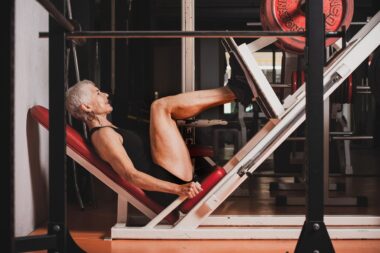
Furthermore, many people believe that seniors should avoid strength training, fearing that it could lead to injury or exacerbate existing health issues. This perception can create debilitating limitations in physical fitness options for older adults. In truth, strength training is immensely beneficial for seniors, promoting muscle maintenance and enhancing metabolic rate. Such exercises help in counteracting age-related muscle loss, known as sarcopenia, which can lead to decreased mobility and higher risks of injury or falls. Research has shown that regularly engaging in strength training not only preserves strength but also improves bone density, reducing osteoporosis risk. Training helps in enhancing functional performance, allowing seniors to carry out daily activities like lifting, climbing stairs, or household chores with ease. Safety is paramount, and proper guidance is essential to execute these exercises effectively. Seniors should start slowly with lighter weights and gradually increase resistance as their strength improves. Instructors should emphasize proper techniques to avoid injuries while maximizing benefits. Thus, integrating safe strength training into senior fitness regimens can effectively debunk the myth surrounding its potential dangers while promoting an active lifestyle.
Myth of Joint Strain from Exercise
Many seniors are often concerned about joint strain when considering exercise routines, leading them to assume that physical activity should be limited. This concern can deter them from pursuing an active lifestyle, based on the belief that exercise exacerbates arthritis or other joint disorders. On the contrary, moderate exercise can significantly alleviate joint pain, improve mobility, and enhance overall joint function. In particular, low-impact activities can be exceptionally beneficial for seniors, offering effective conditioning without stressing the joints. Exercises like swimming, biking, or yoga can improve flexibility and strength, ultimately helping to stabilize the joints. Engaging in these activities promotes synovial fluid production, which lubricates the joints and reduces stiffness. It is advised for seniors to consult a healthcare professional or physiotherapist before beginning any new fitness program, to ensure safety and appropriateness. Through education about suitable options, seniors can learn that many exercise types can protect and promote healthy joints. Furthermore, the incorporation of stretching exercises can be essential, as these help in maintaining joint range and functionality. Therefore, rethinking the narrative regarding exercise-induced joint strain can usher in a rejuvenated approach to senior fitness, facilitating involvement amongst older adults.
Another misconception is that seniors need to work out for extended periods to be effective. The belief that longer workouts translate to better results is misleading. Research indicates that shorter, more intense workout sessions can be just as beneficial, if not more so. Seniors often find it challenging to commit to lengthy workouts, which may discourage them from even starting. Implementing a strategy of shorter sessions can make fitness more enjoyable and accessible. For example, incorporating 20-30 minutes of high-intensity interval training (HIIT) within their weekly routine can offer substantial health benefits. These brief but vigorous bursts of exercise can boost cardiovascular health and enhance muscular fitness without overwhelming the senior body. Additionally, shorter workout times can reduce boredom and increase motivation to keep exercising regularly. Utilizing a mix of short strength, balance, and flexibility exercises can also enrich their regimen. Thus, focusing on the intensity and quality of workouts rather than quantity can redefine seniors’ approaches to fitness. Reassessing traditional norms can help motivate seniors to incorporate more exercise into their lives, paving the way for healthier lifestyles more effectively.
Conclusion: Embracing Active Lifestyles
In conclusion, dispelling myths surrounding senior fitness is vital to encourage an active lifestyle among older adults. Proper education about the benefits of varied workout intensities allows seniors to understand that they are capable of leading active lives. The ability to safely engage in various fitness modalities fosters a sense of empowerment and independence for seniors. Emphasizing tailored programs designed for individual needs only enhances their access to appropriate exercise methods. As they break free from common misconceptions about aging and fitness, seniors can fully participate in physical activities that align with their capabilities. Incorporating strength training, understanding joint care, and embracing shorter workouts are key elements to be considered. The focal point should remain on fostering positive experiences, ensuring a supportive environment encourages seniors to venture into physical activity. These concerted efforts can transform attitudes toward fitness, ultimately contributing to improved health outcomes and quality of life for the aging population. Prioritizing physical activity clears the path, enabling seniors to age gracefully and healthily while enjoying life to the fullest. It’s never too late to start; the journey towards improved well-being begins with a single step towards fitness.
.