
The Role of Prenatal Dance Fitness in Preparing for Labor
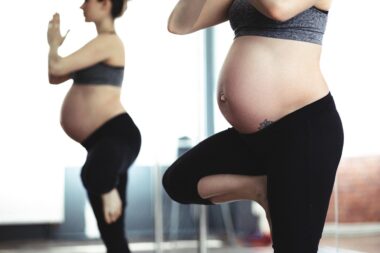
Pregnancy is a transformative time when the body undergoes a series of significant changes. Prenatal Dance Fitness is an engaging way to prepare for these changes while fostering physical and emotional well-being. This fitness form emphasizes gentle movements designed to enhance flexibility, strength, and balance. Many women find that participating in dance classes tailored for pregnancy not only builds physical endurance but also boosts their mood. Through such activities, women can connect with their bodies, celebrate their changing forms, and appreciate the beauty of pregnancy. Additionally, dancing has social benefits, enabling expectant mothers to interact with peers who share similar experiences. The fun rhythms and uplifting atmosphere of these classes create a supportive community, essential for emotional health during this time. A skilled instructor will guide participants, ensuring each movement is safe and appropriate for their stage of pregnancy. Ultimately, integrating dance into prenatal fitness can lead to a smoother labor experience as it helps build confidence and decreases anxiety, vital components in approaching childbirth positively and enthusiastically.
Benefits of Dance in Pregnancy
One of the most significant benefits of Prenatal Dance Fitness is its promotion of physical fitness, which can be essential for labor preparation. Engaging in regular dance workouts contributes to better cardiovascular health, allowing women to maintain stamina as their bodies endure the physical demands of labor. Moreover, dance helps to reduce common pregnancy discomforts such as back pain, swelling, and fatigue. The gentle movements combined with rhythmic music create a joyful atmosphere where mothers can move freely, enhancing their coordination and posture. Another benefit of dancing is increased flexibility which can facilitate smoother movement during labor. Research indicates that women who stay active throughout their pregnancy often experience shorter, less complicated labors. This may be attributed to improved muscle tone and better pelvic alignment. Additionally, prenatal dance promotes relaxation, which is fundamental when preparing for childbirth. The euphoric endorphins released during physical activity can boost a woman’s mood and reduce stress levels. By integrating fun and fitness, Prenatal Dance Fitness offers a holistic approach to preparing both the body and mind for the journey of labor.
Connection Between Movement and Mood
Additionally, engaging in dance during pregnancy can significantly affect mental health. The fluctuating hormones can create emotional ups and downs, making it crucial for expectant mothers to adopt practices that uplift their spirits. Prenatal Dance Fitness provides a perfect outlet for physical expression and emotional release. The joy derived from moving to music cultivates a positive atmosphere where women can feel empowered in their bodies. The social aspect of group classes enhances this experience by forming connections and friendships among participants. Feeling part of a supportive community can ultimately diminish feelings of isolation and anxiety. Importantly, sharing special moments with others while celebrating this unique stage of life fosters confidence. Many women report that the rhythm and flow experienced in these classes help channel any anxious thoughts, transforming them into positivity and self-acceptance. By adopting a playful attitude towards their changing bodies, participants can refine their childbirth perspectives. This newfound appreciation often leads to deeper self-trust in their capabilities as mothers, making prenatal dance an invaluable tool for emotional and mental well-being during the pregnancy journey.
Moreover, the emphasis on breathing patterns in dance fitness contributes to labor preparation. Controlled breathing enhances oxygen flow to both the mother and baby, which is crucial during childbirth. By focusing on these techniques, women often develop better awareness of their bodies and the natural rhythms of labor. Additionally, practicing dance movements can teach mothers how to recognize tension and release it effectively. A relaxed body plays a critical role in managing pain and stress during labor. The concentrated movements found in dance assist women in identifying tight areas within their bodies and provide the tools to loosen them. This connection between body and mind is essential when navigating the challenges of labor. As mothers learn to synchronize their breathing with movement, they become better equipped to handle the rhythm of contractions during labor. The fluidity in dance can parallel the natural progression of labor, equipping expectant mothers with confidence and control. Integrating dance fitness into a prenatal routine, therefore, not only prepares women physically but also cultivates crucial coping strategies for labor.
Nutrition also plays a vital role in prenatal health, working hand-in-hand with physical activity such as dance. Maintaining a balanced and nutritious diet ensures that mothers are nourished as their bodies support the development of their babies. Engaging in Prenatal Dance Fitness can inspire women to adopt healthier eating habits, recognizing how these choices nourish both their bodies and their little ones. Dance classes often emphasize hydration and proper fueling, reinforcing the importance of taking care of oneself. Moreover, healthy nutrition impacts energy levels, enabling expectant mothers to feel invigorated and empowered during their dance sessions. When women feel energized, they are more likely to participate actively and positively in the experience. Additionally, the combination of healthy eating and consistent exercise, such as dance, can fight off common pregnancy ailments like nausea and fatigue. Understanding the synergy between nutrition and fitness creates a holistic approach to prenatal care, ultimately leading to healthier outcomes for mothers and their babies. Many dance fitness instructors are also adept at advising participants on nutrition, enriching the overall experience.
Building Confidence and Empowerment
Fundamentally, Prenatal Dance Fitness fosters a sense of empowerment among women as they prepare for labor. Women often face various uncertainties and fears regarding childbirth, and dance movements can help address those feelings. As they explore their bodies through dance, they gain confidence in their physical capabilities and capabilities. This developing strength and adaptability are vital when preparing for labor, where listening to one’s body is crucial. As women navigate their growing bodies, they learn to appreciate their unique journeys and individuality. The supportive environment of a group dance class nurtures these sentiments, encouraging women to express themselves freely. Each movement becomes a celebration of their strength and resilience, allowing them to recognize the beauty in their challenges. Furthermore, the joyful atmosphere allows participants to acknowledge and accept their emotions without judgment. This empowerment extends beyond dance classes, impacting their overall outlook on maternity and labor. Women emerge from these sessions not only physically stronger but also mentally prepared to face childbirth with confidence and self-assuredness.
In conclusion, Prenatal Dance Fitness presents numerous benefits in preparing for labor. From its positive impact on physical and mental health to the community it fosters, this form of exercise can be a foundational element of a holistic approach to childbirth. The movements, focused breathing, and emotional connections develop a deeper understanding of oneself, equipping mothers with vital skills for labor. Engaging in dance fosters strength, flexibility, and stamina, positively affecting labor’s outcome. The empowering nature of dance chases away fears while building confidence, helping women embrace their strength during this transformative journey. Additionally, its ability to promote social connection offers essential support during a vital time. Women who participate in prenatal dance often find camaraderie and understanding from peers, which reinforces their sense of belonging. Ultimately, Prenatal Dance Fitness is more than just an exercise; it is a celebration of femininity, growth, and the powerful transition into motherhood. Aspiring mothers looking for enriching experiences may discover that integrating dance into their prenatal routine becomes a cherished pathway toward labor readiness.