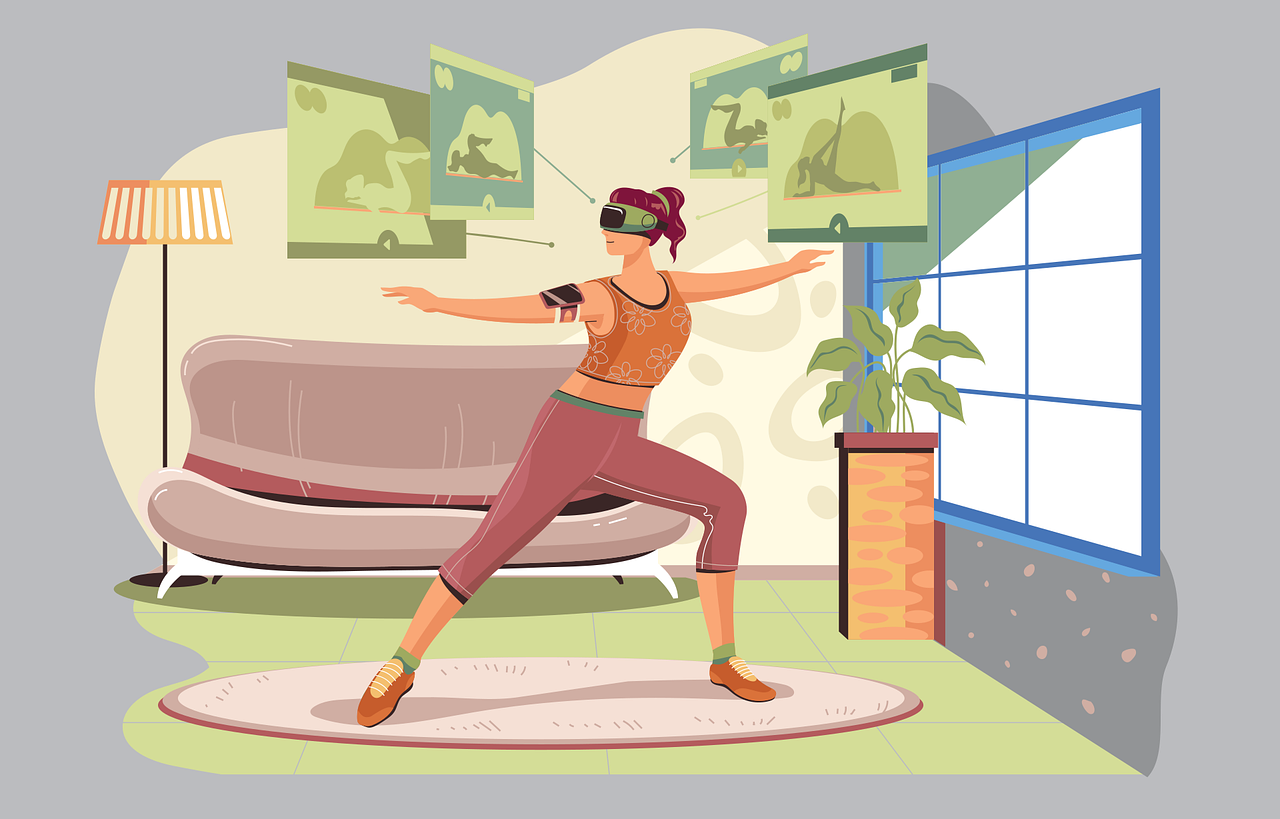

Virtual Reality Balance and Stability Apps: The Next Big Thing?
Virtual reality (VR) is transforming various industries, and fitness is no exception. Balance and stability are vital components of physical health, and VR offers innovative ways to enhance these skills. Recent developments in technology have made it possible to integrate rigorous workouts with immersive environments, making training both challenging and enjoyable. By leveraging VR, users can engage with diverse scenarios that simulate real-life conditions. For instance, practicing balance on a tightrope or while navigating an obstacle course can improve core strength and stability. Moreover, these apps offer tailored recommendations based on performance, ensuring every user gets the best out of their training. One such popular app is “Balance Beyond”, which immerses users in serene environments while focusing on their balance skills. These advancements signal a promising future for fitness enthusiasts seeking interactive exercises. As VR becomes more accessible, the potential for these applications to reach a wider audience increases exponentially, allowing people of all fitness levels to benefit from the unique blend of gaming and exercise.
Another significant aspect of VR balance and stability apps is their potential for real-time feedback. Unlike traditional training methods, these apps can evaluate user performance instantly, correcting postural issues and improving technique. Real-time data allows users to visualize their progress, helping them stay motivated and engaged. Moreover, by gamifying workouts, individuals are more inclined to maintain consistency in their routines. Some users find that competing against themselves or others in virtual settings enhances their commitment to fitness. Apps like “Virtual Stability Challenge” introduce friendly competition and rewards, fostering a community among users. This social aspect further promotes motivation and accountability. The immersive nature of VR exercises aids in distraction from fatigue and discomfort usually felt in traditional workouts, rendering them more enjoyable. With interactive features such as multiplayer options, users can work out with friends regardless of location, creating a shared experience. As digital fitness tools evolve, these innovations will likely reshape how people approach balance and stability training, making it more accessible and intriguing for everyone.
Benefits of Virtual Reality for Balance Training
Integrating virtual reality in fitness apps offers numerous benefits beyond just improving balance and stability. This emerging technology fosters an engaging environment wherein users can explore diverse virtual worlds while working out, sparking motivation and interest. More than just a trend, VR workouts allow individuals to transcend physical limitations, as they can partake in activities that may be difficult in real life due to various factors like injury or age. Furthermore, these applications are particularly beneficial for rehabilitation purposes, assisting users recover physical prowess lost through injury. They can simulate low-impact exercises while closely monitoring user performance, allowing for tailored progresses. Studies suggest that individuals using VR technology generally report higher satisfaction levels; thus enhancing adherence to fitness programs. Besides, the ability to customize sessions based on user experience can effectively target specific muscle groups or stability challenges. The integration of gamified elements harnesses competitiveness, instigating users to push personal boundaries. As research continues to unfold the advantage of VR in fitness realms, it is becoming increasingly evident that these apps could reshape traditional balance training paradigms.
Security and safety in VR exercises is something many users worry about, as it’s crucial for minimizing risks of injury. With advancements in technology, developers are now incorporating built-in features to ensure a safe workout environment. For instance, many VR balance apps include a guided setup process that assesses the user’s surroundings, creating an appropriate space for exercising. By ensuring adequate room and suggesting obstacles to remove, the likelihood of accidents is significantly reduced. Moreover, some applications offer soft-start features, gradually introducing users to intensive workouts. Such structured approaches are conducive for beginners, who might feel overwhelmed diving into challenging exercises too quickly. Virtual environments also present less physical risk, as falling in a game does not result in real injury. Instead, users can learn proper balance techniques in a simulated safe space. Creating fitness applications focused on safety encourages not only regular practice but also exploration of a user’s capabilities. This combination is vital for anyone seeking progression, making virtual reality a top contender in exploring innovative exercise solutions.
The Future of Fitness Training
The future of fitness training appears promising with the continued integration of VR technologies. As these applications evolve, one can expect improvements in user experience tailored to each fitness level. The prediction is that VR balance and stability apps will become more sophisticated, enabling real-time analysis of biomechanics as users perform exercises. Such data would enhance sessions, allowing tailored workouts tailored to individual needs by providing actionable insights. Moreover, as more users adopt these technologies, more developers will enter the sphere, resulting in increased competition. This competition can drive quality improvements and better pricing for end-users. Enhanced virtual environments, incorporating elements of artificial intelligence, could predict users’ movements, further personalizing exercises. Innovative mechanisms could monitor physical conditions through wearable devices, offering comprehensive feedback. Another intriguing prospect is extended reality (XR), which seamlessly blends reality with virtual elements to provide an even richer experience. Given the current trajectory, it appears the fitness landscape will become increasingly interactive and immersive, catalyzing a substantial shift in how individuals approach physical training.
Nevertheless, numerous challenges persist as we embark on this virtual reality fitness journey. One major hurdle is the accessibility of VR equipment, which may remain cost-prohibitive for some potential users. While costs may decrease over time, a significant segment of the market may continue to seek alternative solutions, favoring traditional practices. Moreover, the effectiveness of VR workouts needs to be thoroughly validated by scientific studies to ensure they provide the intended benefits. Ongoing research will help ascertain the overall safety and efficacy of long-term VR training, motivating the health and fitness community to embrace these technologies. Additionally, developers must prioritize addressing the motion sickness some users experience within virtual environments. Enhancements also should focus on creating versatile apps that cater to various interests, from martial arts to dance, to maintain user engagement. Furthermore, ensuring that these applications provide diverse workout options helps incorporate targeting different muscle groups effectively. Addressing these challenges is paramount for the successful adoption of balance and stability training through virtual reality. Collaboration between developers, researchers, and fitness professionals will significantly benefit this evolving landscape.
The Final Thoughts on VR Fitness Apps
Conclusively, virtual reality balance and stability apps mark a significant advancement in the fitness industry. These applications offer innovative solutions to improving core stability and balance while ensuring users remain engaged throughout their workouts. With potential benefits including enhanced motivation and tailored training, the opportunities for both users and developers are vast. However, it is essential to acknowledge existing challenges that need addressing to facilitate widespread adoption. By ensuring accessibility, validating effectiveness through research, and continually improving user experience, VR fitness applications could establish themselves as a cornerstone of contemporary training practices by offering something distinct from traditional workouts. As technology progresses and becomes more integrated into our daily lives, the fitness industry may see a paradigm shift, placing significant emphasis on interactive experiences. Ultimately, the marriage between fitness and virtual reality is still in its infancy, but experts predict boundless potential. The future of fitness may lie in how creatively we harness this technology, shaping not only individual workouts but also transforming collective motivations toward health and wellness.
In summary, as the fitness landscape continues to evolve rapidly, virtual reality applications dedicated to improving balance and stability will undoubtedly play a crucial role. It is an exciting time for fitness enthusiasts to explore this unique intersection of technology and wellness. The combination of immersive environments, real-time feedback, and extensive data collection promises to elevate user experience. Emphasizing fun, engagement, and promoting physical health, these applications can create a new standard for how individuals approach fitness. Transitioning from traditional exercise routines to interactive experiences presents a thrilling opportunity for fitness enthusiasts. As research continues to validate and showcase the benefits of VR technology, greater awareness will inspire broader acceptance across demographics. Furthermore, as developers continue innovating, the diverse offerings available are sure to appeal to an ever-growing audience. This merging of technology and physical health is indeed the next big thing. For those who are ready to embrace change, engaging in virtual reality fitness experiences may soon become the norm in achieving personal health and wellness goals. Deliberately positioning ourselves within this realm may help us enjoy a healthier future together.