
The Importance of Relaxation in Pilates Practice
Relaxation in Pilates is pivotal for effective practice. It fosters a connection between the body and mind, promoting awareness and focus on breath and movement. An understanding of how relaxation influences muscle engagement allows practitioners to maximize their potential during exercises. Today, many Pilates instructors emphasize relaxation techniques to enhance the benefits of the practice for their clients. Relaxation strategies, including meditation and mindful breathing, are often integrated into Pilates sessions, creating an enriching experience. As practitioners learn to relax, they can move with greater ease, thereby improving their overall biomechanics. This leads to increased flexibility, strength, and coordination. Moreover, stress reduction is a significant, ongoing benefit as clients learn to let go of tension through thoughtful Pilates movements. The cultivation of relaxation skills is essential for balanced physical and mental health. Practicing Pilates with a relaxed mind can shift focus away from daily stresses, enhancing the effectiveness of movements. By integrating relaxation into Pilates routines, a deeper sense of well-being can be achieved, cultivating mindful practitioners who enjoy their workouts. Ultimately, relaxation is not just a component but a vital principle within the entire realm of Pilates.
Understanding the fundamentals of Pilates reveals why relaxation is so essential within its practice. Developed by Joseph Pilates in the early 20th century, Pilates is built upon several key principles. These principles include concentration, control, centering, precision, breath, and flow. Among these, the principle of breath is particularly intertwined with relaxation. Proper breathing techniques enable practitioners to fully harness the power of movement, facilitating a relaxed body and mind. In a relaxed state, the body can better engage the core muscles while allowing other muscles to release unnecessary tension. This dynamic balance supports optimal posture and enhances body alignment, essential for any Pilates exercise. The flow of movements reflects the fluidity achievable only when relaxation is prioritized during practice. Relaxation enhances the effectiveness of warm-up and cool-down routines as well, often leading to better muscular recovery. Practitioners who embrace relaxation methods continuously find long-lasting benefits, such as improved sleep quality. A relaxed approach to Pilates also maintains motivation and consistency, essential for achieving fitness goals. When clients reduce their stress levels through practicing Pilates, they can enjoy greater satisfaction and perseverance throughout their wellness journey.
The importance of a calm mind during Pilates practice cannot be overstated. Mental relaxation allows practitioners to become more attuned to their bodies and the subtle cues that arise during movement. The ability to focus on the body’s sensations enables individuals to perform exercises with greater precision and intent. Practicing mindfulness in Pilates fosters a greater understanding of one’s physical limitations and capabilities, promoting self-awareness and confidence. Consequently, a relaxed mental state contributes to improved overall performance during classes. Instructors often guide practitioners to visualize peaceful environments or guiding imagery to reduce tension and anxiety before and during sessions. Thoughtful cues about mindfulness and relaxation not only help foster a supportive atmosphere but reinforce the smooth transitions between exercises. This connectedness enhances the flow of practice, allowing for seamless execution of movements. Participants experience higher levels of energy, reduced fatigue, and invigorated engagement throughout their workout. Overall, prioritizing calmness transforms the practice into a deeper, more meaningful experience for individuals. It paves the way for long-term commitment, enabling them to cultivate a well-rounded practice that promotes both fitness and relaxation as essential facets of well-being.
Relaxation Techniques to Incorporate in Pilates
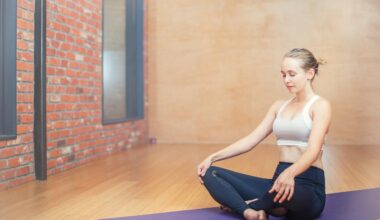
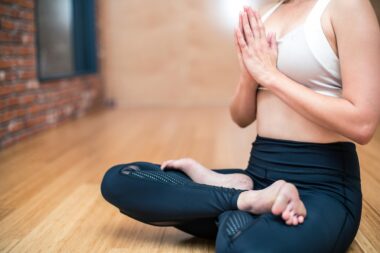
Several relaxation techniques can be effectively incorporated into Pilates workouts, enhancing both the physical and mental aspects of practice. First, conscious breathing is one of the most fundamental practices. In Pilates, practitioners are encouraged to take deep, diaphragmatic breaths, focusing on inhaling through the nose and exhaling through the mouth. This rhythmic respiration not only calms the nervous system but also maximizes oxygen flow, enabling the body to perform better. Second, visualizing peaceful scenarios during exercises can help clients release tension and stay present. Guided imagery, such as imagining themselves at the beach or in a serene forest, can foster a sense of tranquility as they engage in physical movement. Third, gentle stretches before beginning the main workout can serve as a transition into a relaxed state. These stretches should focus on areas prone to tension, such as the neck, shoulders, and back. Lastly, ending a Pilates session with a brief period of stillness or savasana can encourage full body relaxation. Each participant is encouraged to take time to absorb the workout’s benefits, leaving them refreshed and rejuvenated.
Relaxation also plays a vital role in injury prevention during Pilates practice. When practitioners are relaxed, they become more aware of their movements, significantly reducing the risk of injury. Furthermore, tension in muscles can lead to improper form and alignment, which increases the likelihood of strains or other injuries. Studies have shown that a relaxed body is more able to adapt and respond to movement quickly. This promotes a sense of fluidity and grace in transitions between exercises, which is core to Pilates methodology. Instructors often focus on maintaining a relaxed tone throughout each movement, urging practitioners to let go of unnecessary tension. Additionally, stretching and restorative poses are essential for allowing muscles to lengthen and recover from exertion. This restorative aspect of Pilates, closely tied to relaxation, not only enhances recovery between workouts but also fosters long-term mobility and flexibility. By prioritizing relaxation, practitioners can learn how to listen to their bodies, steering clear of overwhelming fatigue and injury. Ultimately, Pilates encourages awareness of the body, allowing practitioners to achieve optimal performance without compromising their well-being and health.
The Heart of Pilates: Relaxation and Mind-Body Connection
The fundamental connection between relaxation and the mind-body relationship cannot be emphasized enough in Pilates practice. Many practitioners find that when they allow themselves to relax, they can cultivate a deeper mind-body connection, which enhances their overall experience. Pilates underscores the necessity of understanding one’s body movements and cultivating awareness, leading to more intentional practice. A strong mind-body connection makes it easier to identify imbalances and tension areas within the body, which can subsequently inform how practitioners approach their workout. Embracing relaxation encourages mindfulness, enabling individuals to be fully present and engaged during each session. The conscious cultivation of relaxation, especially when paired with the principles of concentration and control, empowers practitioners to challenge themselves while respecting their boundaries. As clients deepen their understanding of how relaxation influences their practice, they become more adept at adapting exercises to suit their individual needs. This responsive approach can lower stress levels and enhance the effectiveness of Pilates practice, thereby allowing participants to experience deeper satisfaction and enjoyment. In Pilates, relaxation acts as a vehicle for maintaining synergy between the mind and body, fostering greater harmony and growth over time.
Finally, embracing the importance of relaxation in Pilates can support lifelong wellness and fitness. When individuals prioritize relaxation within their practice, they equip themselves with tools for managing stress and anxiety in other life aspects. This acquired skill set undoubtedly extends beyond the studio walls. A regular practice, infused with relaxation, cultivates not only physical strength but also mental fortitude. Instructors play an essential role in this process by guiding participants through techniques aimed at alleviating tension. This nurturing approach fosters an understanding of how Pilates serves as a holistic remedy for wellness. Individuals benefit from leading healthier lifestyles through insights gained during their practice. Moreover, the adaptability of Pilates accommodates practitioners across all fitness levels and backgrounds, allowing them to explore relaxation techniques unique to their journeys. This inclusivity renders Pilates both effective and enjoyable, as clients understand that finding relaxation is a common goal shared by all. Ultimately, a commitment to relaxation serves as the foundation for personal growth, resilience, and improved quality of life, representing the true essence of Pilates practice. Regular engagement with relaxation techniques reinforces positive transformation, enhancing emotional and physical well-being.
Integrating relaxation in Pilates enhances practitioners’ connections to their minds and bodies, supporting lifelong wellness. This harmony cultivates a foundation for personal growth, resilience, and improved quality of life. As we embrace relaxation, we unlock the transformative benefits of Pilates, not only in physical fitness but enhancing emotional balance, clarity, and self-awareness, making the journey significantly rewarding.