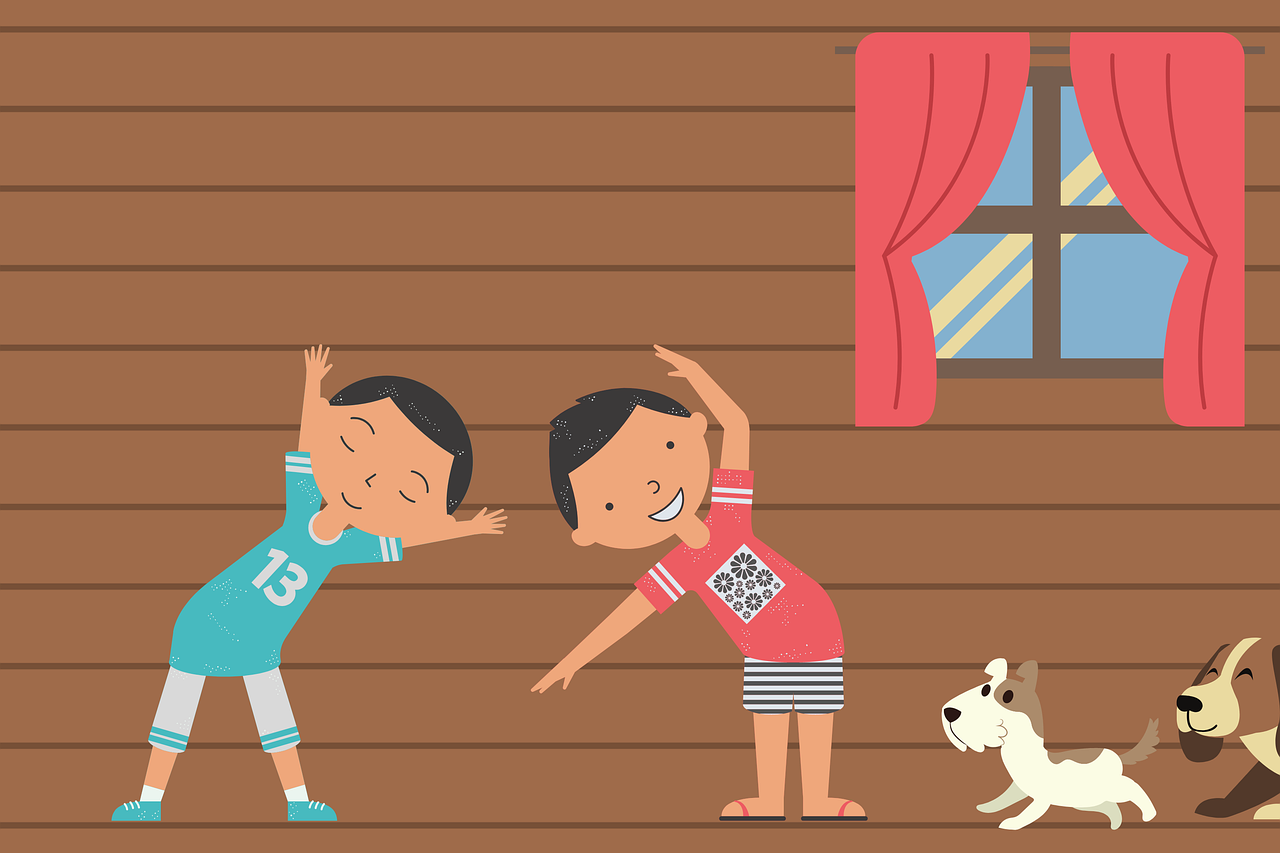

The History and Evolution of Fitness Storybooks for Children
Fitness storybooks for children have evolved significantly over the years, catering to the needs of young readers. The initial offerings in this genre emerged during the late 20th century, focusing primarily on the importance of physical activity through storytelling. These early books often featured simple narratives where characters engaged in sports or games, effectively teaching children about fitness in an engaging manner. As the understanding of childhood health and fitness grew, so did the complexity of these stories. Authors began incorporating various themes from nutrition to teamwork, emphasizing a holistic approach to fitness. This evolution has not only helped in entertaining children but also in educating them about the importance of leading an active lifestyle. Illustrators and authors collaborated to create colorful pages filled with endearing characters that children could relate to and learn from. Moreover, these storybooks have started including interactive elements, such as quizzes and activities, allowing young readers to engage further. This transformative journey of fitness storybooks highlights their crucial role in shaping children’s attitudes towards health and fitness from an early age.
Key Themes and Lessons
Modern fitness storybooks introduce various key themes that resonate with children’s daily lives. Among these themes are self-discipline, teamwork, and the joy of physical activity. It is vital for children to learn these concepts as they understand their bodies and capabilities. Many contemporary stories illustrate characters embarking on adventures, overcoming challenges, and demonstrating resilience. Additionally, these narratives often incorporate a rich tapestry of diverse characters, ensuring representation that emphasizes inclusivity. This diversity allows children from varying backgrounds to see themselves reflected in the stories. Important lessons about healthy eating and maintaining an active lifestyle are seamlessly woven into the narratives. For instance, heroes may learn about the benefits of vegetables, or characters may engage in fun fitness challenges emphasizing friendship and teamwork. Strong moral lessons are often encapsulated not just in fitness, but in encouraging a positive attitude, respect for others, and perseverance. This combination of engaging storytelling with valuable lessons makes fitness storybooks an essential tool in promoting healthy habits in young readers in a fun and captivating manner.
Over time, the medium of fitness storybooks has also changed dramatically. In the past, many children interacted with physical books filled with static images and print text. However, the rise of technology and digital platforms has transformed how children access these fitness stories. Today, eBooks and interactive apps provide exciting and dynamic formats, allowing children to engage with stories not only through reading but through sounds, animations, and even games. These digital versions often include videos that demonstrate exercises referenced in the stories, which can promote physical activity in a fun and engaging way. Parents and educators often appreciate these modern technologies as they can reach children who may not respond to traditional print books. This shift has created opportunities to foster a love for fitness among even the most reluctant readers, integrating fitness education with technology fluently. Furthermore, parents can track their child’s progress through interactive elements, allowing for tailored fitness journeys, reinforcing concepts learned through the stories. As children become increasingly tech-savvy, these evolving formats stand to create lifelong habits of fitness through engaging and supportive mediums.
The Role of Character Development
Character development in fitness storybooks plays a pivotal role in engagement. Children often connect with characters who embody relatable struggles, aspirations, and triumphs in their fitness journeys. For instance, a character overcoming feelings of inadequacy to complete a race inspires children facing similar doubts. This deep emotional connection not only holds children’s attention but also instills a sense of empowerment. Characters representing various backgrounds ensure diverse experiences and triumphs that resonate with a broader audience. Therefore, readers learn lessons of self-acceptance, encouragement, and determination through their favorite characters’ adventures. Many authors skillfully weave in positive role models that exemplify hard work, resilience, and dedication, encouraging young readers to aspire toward their milestones. These narratives often encourage children to develop qualities essential to fitness success, such as consistency and a growth mindset. Engaging and relatable characters also stimulate conversation about fitness among peers and family, permitting discussion on maintaining an active lifestyle. Thus, character development emerges as a vital narrative component that fosters not only engagement but also comprehensive lessons about fitness and well-being.
The influence of parents and educators is another significant factor in the success of fitness storybooks for children. Adults often serve as role models for children, influencing their beliefs about exercise and healthy habits. By introducing fitness storybooks during reading time, parents can reinforce lessons and concepts learned through stories. This shared experience not only strengthens the bond between parents and children but allows for discussions about fitness and its importance. Educators can also employ these stories as essential tools within lesson plans, promoting group discussions and activities related to the narratives. Many teachers utilize fitness storybooks to create thematic units focusing on health education, inspiring children to engage in physical activities such as sports, dance, and other fitness-related exercises. Furthermore, libraries and community centers frequently host reading sessions where these books can be shared in larger groups, enhancing socialization and collaborative learning. The involvement of parents and educators in promoting fitness storybooks enriches the overall experience, ensuring that the lessons translate into meaningful habits outside of reading time. Consequently, this collaborative approach elevates the stories’ impact, creating a culture of fitness among children.
The Future of Fitness Storybooks
Looking ahead, the future of fitness storybooks for children appears bright and promising. As health and fitness concerns grow amongst youth populations, the relevance of these stories will likely increase significantly. Authors and publishers are expected to embrace innovative storytelling techniques, possibly integrating augmented reality experiences that bring fitness concepts to life in an interactive manner. This technology could transport children into their fitness adventures, enhancing engagement while learning essential skills and habits. Furthermore, there may be a continued push for inclusivity and representation within these stories, showcasing varied characters and experiences. This will ensure that all children can find elements they identify with. Authors might also collaborate with nutritionists and fitness experts to create storylines rich in accurate health information, making the narrative both entertaining and educational. Additionally, partnerships between schools, libraries, and fitness programs could promote joint initiatives that bolster the appeal of fitness storybooks. As society continues to acknowledge the critical role of fitness in childhood development, these storybooks will remain vital in shaping healthy habits and lifestyles for future generations.
In conclusion, fitness storybooks for children have undergone a remarkable journey, evolving from simple narratives to complex tales rich with engaging messages and characters. The fusion of education, entertainment, and wellness within these books encourages young readers to adopt active lifestyles from a young age. This evolution highlights an ongoing commitment to enlightening children about health through literature. Today’s authors face the critical task of weaving fitness education seamlessly into narratives while appealing to children’s imaginations. This unique approach ensures that lessons of teamwork, discipline, and healthy choices resonate with young audiences. As technology continues to evolve, so too will the formats and accessibility of fitness storybooks, reaching a diverse range of children with various learning preferences. The collective influence of parents, educators, and digital advancements can amplify the impact these stories have. Looking forward, fitness storybooks will undoubtedly remain crucial tools for encouraging children to embrace physical activity and develop lifelong healthy habits. The future will focus on using storytelling not just to entertain but to educate, ensuring every child has the opportunity to thrive both physically and mentally through their literature experiences.
This is the final paragraph with exactly 190 words…