
How to Set Up a Home Gym with Limited Space
Setting up a home gym in a limited space can initially seem daunting. However, with some planning and the right equipment, it can become an enjoyable process. The first thing to consider is the purpose of your gym. Are you focusing on strength training, cardio, or a mix of both? Before buying any equipment, measure your space. Knowing the dimensions can help you find suitable equipment. Prioritize multifunctional pieces, as these can provide various workout options. Identify areas in your home, like a corner of your living room or basement, where you can set up your gym. Clear any clutter and choose a spot with enough natural light and ventilation if possible. Once you have a clear area, start small. Invest in basic equipment initially, like resistance bands, dumbbells, or a quality yoga mat. These tools can create a full-body workout without taking too much room. Remember, consistency is key in strength training, even in a limited area. You’ll find creative ways to maximize your space and achieve your fitness goals efficiently. Stay focused and adjust as your routine evolves and progresses over time.
After deciding on the equipment, consider organizing your home gym effectively. Storage solutions are crucial for keeping your space tidy and functional. One option is to use wall-mounted racks or shelves. These can safely hold weights or other gear without consuming floor space. Another smart idea is to use furniture that doubles as storage. An ottoman can be a great place to stash resistance bands or foam rollers. Prioritize versatility in your equipment—the more functions it serves, the less space it will require. For instance, an adjustable bench can support various exercises, saving you significant space. When setting everything up, ensure that items you frequently use are within reach. Consider creating a designated workout area where you have easy access to your weights or mats. Training with minimal distractions will enhance your focus and motivation. Regularly assess your space and needs, optimizing as you progress. Additionally, be mindful of safety when arranging equipment. Ensure that weights are secure and that you have enough room to move freely. Lean ad even innovative solutions that help maintain a clutter-free environment. This way, you’ll exercise more consistently and efficiently in your home workout space.
Incorporating cardio equipment into your compact home gym can be challenging but possible. Compact equipment options are available, specifically designed for limited spaces. A folding treadmill or a compact stationary bike can provide robust cardiovascular workouts without taking excessive room. When selecting these machines, consider how they fold or store away when not in use. Space-efficient ellipticals and rowing machines also fit the bill in many scenarios. If you’re not keen on larger machines, consider body-weight exercises that can elevate your heart rate. Jumping jacks, burpees, and high knees are some simple yet efficient options. You can also focus on high-intensity interval training (HIIT), which improves cardiovascular fitness with minimal space. Another excellent way to boost your cardio without equipment is to invest in quality jump ropes. They are highly efficient, easy to store, and can be as productive as any cardio machine when used correctly. Adding a small space-friendly yoga mat allows you to stretch and cool down after workouts. Whether you opt for equipment or body-weight exercises, ample creativity will help you achieve your fitness goals without feeling restricted by your environment.
Next, let’s dive into the importance of creating a routine that suits your limited space gym. A personalized workout plan will enhance your effectiveness and motivation. Begin by identifying your primary fitness goals—are you aiming to build strength, lose weight, or increase stamina? Building a structured weekly schedule that allocates time for cardio and strength training is essential. Aim for a mix of short, high-intensity workouts and longer sessions if time allows. For instance, a 20-minute high-intensity circuit on one day can be balanced with a more extended, focused strength training session on another. Maintain flexibility to adjust your schedule as needed. Consider tracking your progress to motivate yourself consistently. Apps or a simple notebook will help monitor your workouts and improvements. This way, you can observe your growth over time, keeping you committed to your home gym journey. Also, find ways to enjoy your workout experience—play music or watch engaging videos as you train. Making the process enjoyable will result in greater consistency and will ultimately lead to better results and satisfaction from your fitness efforts.
Essential Equipment for Your Home Gym
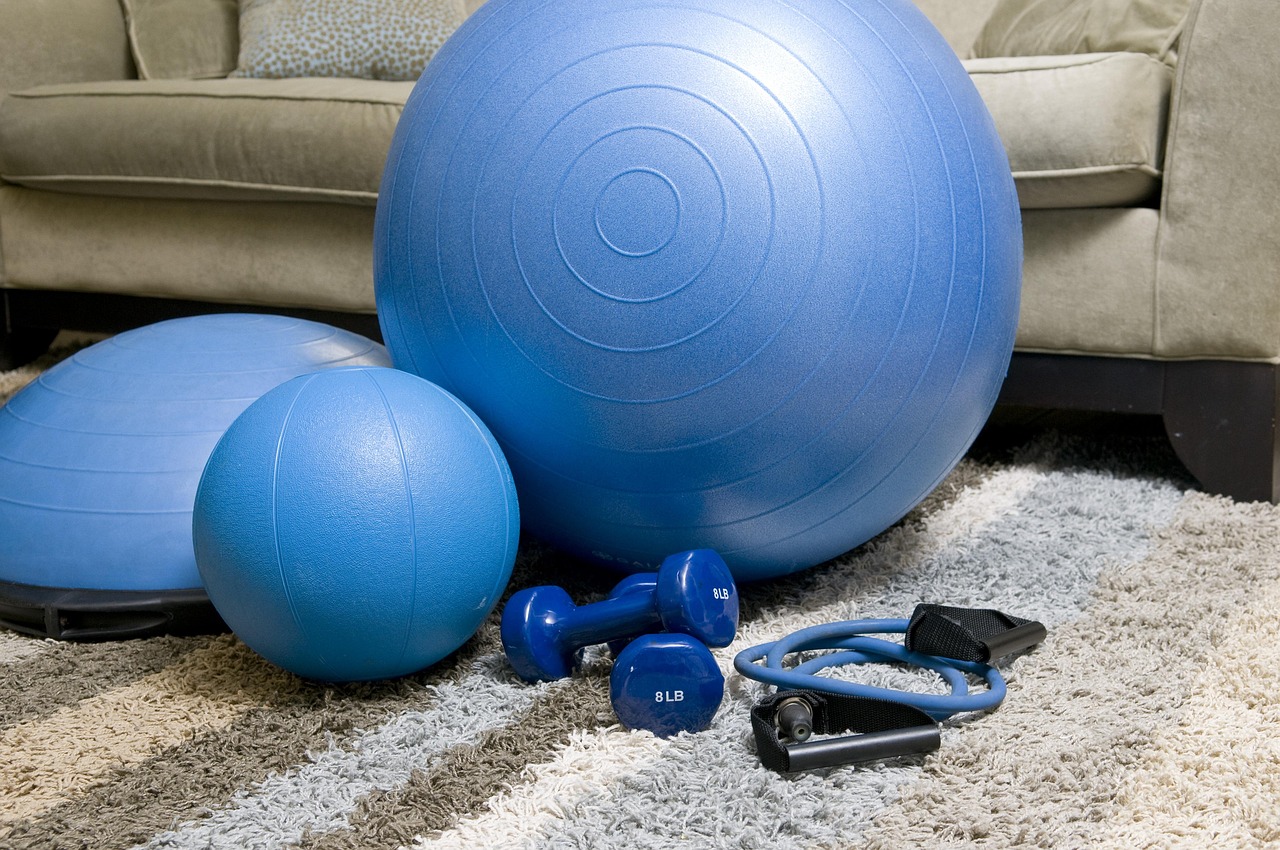
When establishing a home gym, choosing the right equipment is pivotal for success. Keeping in mind limited space, prioritize items that offer the best versatility. First on the list should be resistance bands—they are portable, lightweight, and versatile enough to support various workouts targeting all muscle groups. A quality set of dumbbells is essential, as they are fundamental for strength training. Adjustable dumbbells can allow for multiple weight selections without taking up too much room. Kettlebells are another great option, enabling diverse movements while promoting functional fitness. Next, consider a floor mat suitable for exercises like yoga or stretching. This mat keeps your workouts comfortable and protects your floors from damage. A sturdy workout bench can also be incredibly beneficial, allowing options such as bench presses and step-ups. If you have room for it, opt for a compact cardio machine; a jump rope is an excellent choice since it takes minimal room yet provides a cardio challenge. Finally, prioritize a solid, non-slip surface for your workouts, ensuring safe and efficient training sessions in any confined space.
Budgeting for your home gym equipment is another vital aspect to consider. While investing in quality gear matters, you don’t have to spend a fortune. Set a realistic budget encompassing all necessary items to avoid overspending. Research is crucial here: explore options online and in stores to find the best value without compromising quality. Consider purchasing second-hand or refurbished equipment, as many sellers offer items in like-new condition. Quality brands often provide warranties, ensuring that your investment will last a long time. Alternatively, consider renting equipment if possible. Some fitness stores and gyms offer rental options for a range of gear. It allows you to try before you buy, ensuring functionality and space considerations. Prioritize essential items, gradually adding more equipment as your budget allows. Also, factor in auxiliary costs, such as storage solutions and accessories like weightlifting belts or gloves. However, remember that fitness can be achieved with minimal investment; many functional body-weight exercises are free and highly effective. Whatever route you take, be mindful of your finances and aim to balance quality and affordability.
Creating a Motivating Environment
An inspiring space significantly impacts your home workout success. To enhance motivation, establish an environment that promotes fitness. Consider incorporating inspirational quotes or images that resonate with your fitness goals. Place them around your workout space to encourage you during training sessions. Good lighting can also elevate your mood and create the right atmosphere; consider using bright but soft lights. If possible, allow natural light into the area, as sunlight can boost your energy levels and improve your overall disposition. Adding a music player or Bluetooth speaker can transform the atmosphere. Curating a workout playlist can make exercise enjoyable and motivate you to push harder. Furthermore, consider utilizing a whiteboard to track progress or display your weekly workout routines. This visual reminder provides accountability and keeps you organized. Another way to enhance your space is by adding plants; they can improve air quality and create a more refreshing atmosphere. These small changes combined into a cohesive approach will create a motivating space conducive to consistent workouts, ultimately leading to a more satisfying experience in your home gym.
Finally, one of the best practices is incorporating recovery strategies into your home gym routine. Proper recovery is essential for effective strength training and overall fitness success. Focus on post-workout stretches to promote flexibility and reduce soreness. Research specific stretches for the muscle groups you worked to improve mobility as you progress. Regularly incorporating yoga sessions can also blend strength training with relaxation, offering physical and mental benefits. Additionally, consider investing in foam rollers or massage balls. These tools can help relieve tension in sore muscles and prevent injury. Adequate hydration and nutrition play critical roles in recovery; ensure that you replenish fluids and consume balanced meals containing protein and carbohydrates. Scheduling rest days between intense workouts allows your muscles to recover and grow stronger. Remember that recovery is an integral part of any fitness routine, particularly when constrained by space. Listening to your body is necessary; should you feel fatigued or sore, take necessary breaks. Balancing workout intensity with effective recovery methods will give you the best results achievable within limited space while sustaining your motivation and commitment overall.