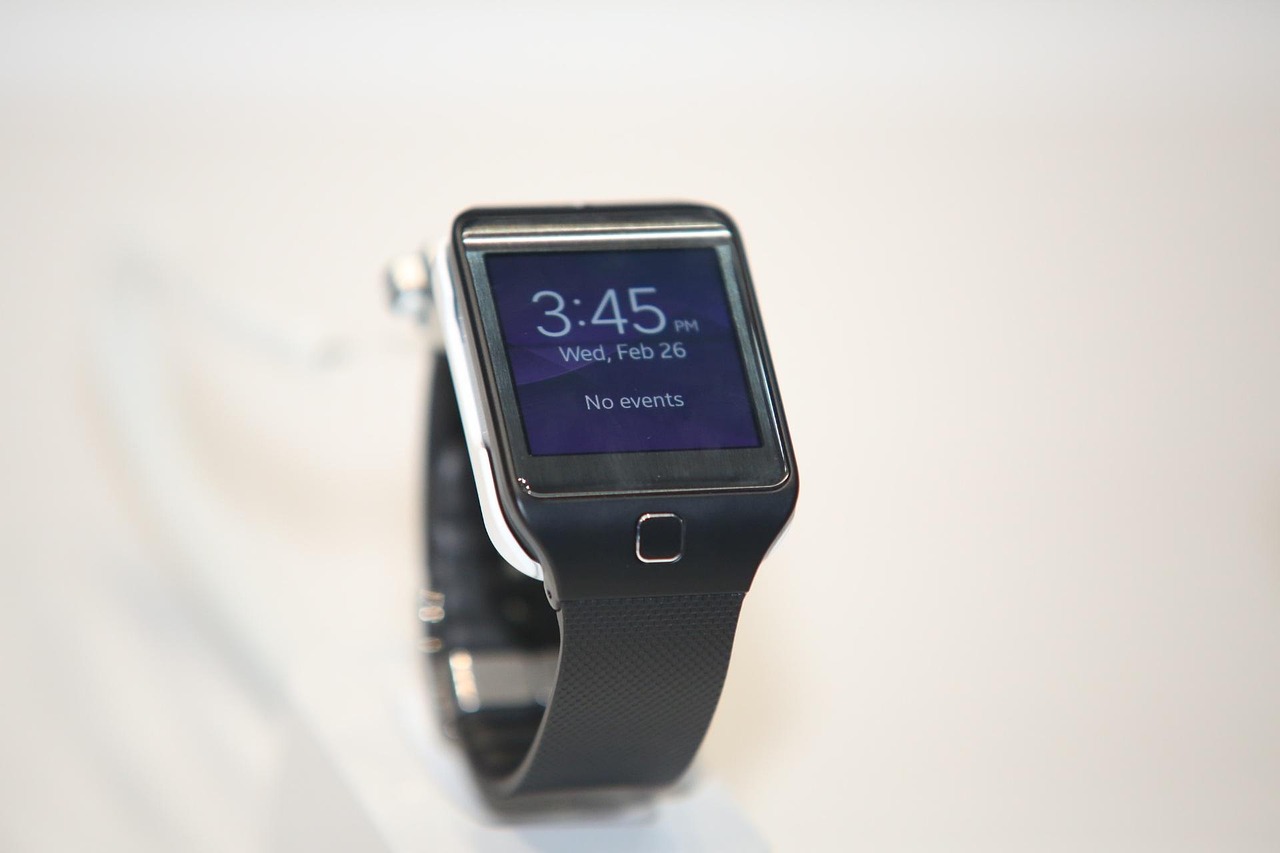

The Use of Wearable Technology for Tracking eSports Player Health
Wearable technology has rapidly evolved, and its application in eSports player health monitoring is becoming increasingly significant. Players can now wear advanced devices that provide precise physiological metrics vital for their performance. These wearables track various health indicators, including heart rate, calories burned, and sleep patterns, crucial for both performance and recovery. Monitoring these metrics helps coaches and players understand how gameplay affects their bodies over time. By implementing this technology, eSports organizations can leverage data-driven insights to formulate better training regimens and optimize recovery strategies. Some wearables offer real-time feedback, enabling instant adjustments during gameplay sessions. Furthermore, wearables can help in identifying potential health issues early, facilitating timely interventions. This proactive approach means that players can maintain peak performance without risking their health. Additionally, integrating data analytics with wearable technology can foster a broader understanding of how competitive gaming impacts physical well-being. Thus, wearables are transforming how players not only improve their skills but also prioritize their overall health. Enhancing player performance through health monitoring is essential for the sustainable growth of eSports as a professional field.
In addition to immediate performance tracking, wearable technology plays an essential role in long-term health assessments. Data collected over extended periods allows for comprehensive analysis, revealing trends in player behavior and physical condition that can inform training decisions. For instance, understanding seasonal fluctuations in players’ health metrics can help devise tailored training programs, focusing on strength, stamina, or recovery. Coaches are also able to correlate training intensity with health metrics, thus ensuring that players are not overstrained. This information may lead organizations to invest in personalized coaching, enhancing roster effectiveness and competition outcomes. Furthermore, knowledge gathered from wearables aids in the education of players regarding their health, encouraging them to adopt healthier habits both in and outside of gaming scenarios. With increased awareness, players could manage stress levels, nutrition, and exercise routines more effectively. Over time, these practices may lead to better mental acuity and physical conditions, crucial for succeeding in eSports. Consequently, an enhanced health awareness culture can emerge within eSports organizations, leading to a more holistic approach to athlete welfare and longevity in the high-pressure competitive environment.
Combining Wearables with Data Analytics
Combining wearable technology with data analytics significantly enhances the potential of eSports health monitoring. Data collection from wearables generates invaluable information, which, when analyzed, provides insights that would otherwise be inaccessible. Coaches and trainers can pinpoint variations in player health metrics during different competition phases, enabling targeted interventions. They can analyze data through dashboards, comparing levels across players and identifying trends that affect team dynamics. Furthermore, by utilizing advanced analytics techniques, teams can create predictive models to forecast performance outcomes based on players’ health data. For instance, understanding the link between rest periods and cognitive performance may provide deeper insights into when a player should take breaks. Moreover, integrating wearables with gaming systems can enhance player engagement by offering tailored feedback based on real-time performance and health metrics. This personalized focus fosters a symbiosis between physical well-being and gaming performance. Consequently, players can gain a competitive edge through improved training and recovery strategies. With ongoing advancements in analytics technology, the future of eSports health monitoring looks promising, paving the way for enhanced well-being and performance in competitive environments throughout eSports.
Health features in wearables extend beyond just physical metrics, offering insights into mental health as well—a critical aspect of competitive gaming. High-stress levels often affect player performance, particularly in high-stakes situations. Many wearables now come equipped with features to track stress levels and monitor psychological well-being. By combining physiological data with wearables designed to assess emotional states, players can better understand their mental resilience during gameplay. This dual-approach allows players to recognize when they need to take a break or alter their gameplay strategy to maintain peak mental performance. eSports organizations investing in this capability can offer resources for mental health support, integrating physical and emotional wellness approaches. This comprehensive player well-being strategy fosters an atmosphere of care, addressing an area often neglected in traditional sports. Access to mental health resources can help players develop resilience in the face of competition and stress. As awareness grows about the role of mental health in performance, incorporating wearables to monitor this aspect becomes pivotal in fostering talent. Such initiatives not only enhance the player experience but may also lead to lower attrition rates and a healthier competitive environment.
The Role of Coaches in Implementing Wearable Technology
Coaches play a vital role in implementing wearable technology effectively within eSports teams. Their understanding of athlete behavior and gaming strategy is crucial for unlocking the full potential of health metrics tracked by these devices. A knowledgeable coach can interpret data accurately, making informed recommendations based on players’ health conditions. They can optimize training regimens, ensuring that players are focusing on skill development while maintaining a healthy lifestyle. Furthermore, coaches can integrate insights from wearables into larger training plans, balancing practice with recovery periods to keep players in peak shape. As eSports continues to evolve, coaching demands will increase. Coaches need to develop familiarity with the technical aspects of wearables, including how to analyze and respond to health data. Regular training on these technologies will empower coaches to encourage their players effectively. By embracing change and supporting players with the right health tools, coaches set the stage for a healthy synergy between personal health and competitive success. Training support, coupled with analytics-driven insights, paves the way for a more informed approach to player care and performance optimization within eSports.
Despite the numerous benefits of wearable technology in eSports, there are challenges to consider. Privacy concerns arise as players are required to share sensitive health data. Organizations need to establish strong data protection protocols to ensure that player information is secure. Implementing policies regarding data usage and access can help manage these concerns, promoting trust between players and organizations. Moreover, the risk of players misusing this data for competitive advantage raises ethical questions that the industry must address proactively. Training players on ethical technology usage and providing clear guidelines can help streamline this process. Another challenge is the potential for over-reliance on technology; players might neglect traditional training methods or personal feedback from coaches. Balancing data-driven insights with experiential knowledge remains crucial. Finally, varying compatibility between different wearable devices can hinder seamless data integration across teams and organizations. Industry-wide standards for wearable technology may be necessary to ensure optimal data sharing and collaboration among teams. Addressing these challenges will require a concerted effort from developers, players, coaches, and governing bodies in eSports to create a supportive ecosystem focused on player health and performance.
The Future of Wearable Technology in eSports
The future of wearable technology in eSports appears bright as advancements continue to emerge rapidly. As technology progresses, wearables will likely become more multifunctional, seamlessly integrating into players’ daily routines. Future devices may include augmented reality capabilities, offering real-time performance feedback while players engage in their games. Enhanced algorithms that analyze physiological metrics will further refine insights, making them even more tailored. Players will benefit from increasingly personalized feedback that helps them understand their needs better. Moreover, wearables may integrate AI-driven elements to predict potential injury risks, providing alerts before problems arise. Increasing amounts of research into gaming health could lead to breakthrough developments, advancing our understanding of eSports impacts on player health. Additionally, collaborations between tech firms, health experts, and eSports organizations may pave the way for innovative solutions to improve player well-being. Advocacy for embracing technology-focused health monitoring within eSports will continue to grow, championing data as a central aspect of athlete care. Such partnerships will enhance health monitoring while optimizing performance, effectively creating a healthier and more sustainable competitive eSports environment for years to come.
In summary, wearable technology holds immense promise for revolutionizing how eSports players monitor and manage their health. By enabling real-time insights into physical and mental metrics, these devices empower players, coaches, and organizations to make informed decisions. As a result, not only can players enhance their gaming performance, but they can also actively care for their overall well-being. Challenges related to data privacy must be addressed collaboratively to foster trust and ensure the ongoing acceptance of these technologies. Coaches will play a pivotal role in weaving health insights into training, fostering holistic views of player development. A shift towards encompassing mental health and performance promotion through wearables will undoubtedly shape the future of eSports. The integration of advanced analytics, along with player education, will continue to drive positive change in facilitating player health awareness. The blending of health monitoring and technology augurs well for sustainable growth in the eSports domain. As wearables become essential tools, they will reshape players’ experiences, optimize health, and elevate competitive standards. Therefore, embracing the potential of wearable technology is critical for future successes in the ever-evolving world of eSports.