
Week 34 Postnatal Plan: Strength and Stability Exercises
Postnatal recovery workouts are crucial for ensuring new mothers regain strength and stability. It’s essential to tailor exercise plans that accommodate the unique challenges faced during the postnatal period. This week, we focus on a balanced approach combining strength training and gentle movements. These workouts not only aim to rebuild core strength but also enhance pelvic stability and alignment. By integrating modified exercises, such as pelvic floor lifting and gentle stretches, you can create a supportive atmosphere for your body’s natural recovery process. New mothers often deal with fatigue, so workouts should be manageable and uplifting. Ensure you set realistic goals during this time; remember, healing is a priority. Incorporating elements like breathing techniques can further enhance the effectiveness of your sessions. Consider scheduling these workouts at times when you feel most energetic. Don’t forget to maintain hydration and nutritious food intake to support your body. Throughout this week, focus on self-compassion and patience, allowing your body to adapt back to an active lifestyle at its own pace. Such adjustments will empower you, enabling a healthier journey through motherhood.
After establishing the foundation with postnatal recovery, let’s delve into specific exercises aimed at strengthening and stabilizing your core. The power of a reinforced core is undeniable, especially during the early motherhood phase. Consider integrating exercises like modified planks, bird-dog positions, and seated trunk rotations. These not only strengthen the abdomen but also work on stability, which is extremely important postpartum. Engage in core exercises focusing on proper alignment and control, as they help promote a better connection to your body after childbirth. Aim for gradual progression, allowing your body to adapt to these movements. Pay attention to your breathing during exercises and ensure it complements your movements well without straining yourself. Also, consider merging yoga and pilates elements within your routine for a holistic touch. Lastly, it’s recommended to monitor how your body responds to these workouts; always listen to its signals, especially any discomfort, and adjust accordingly. These exercises are not simply about physical strength but also emotional resilience during this transitional period. Being kind to your body can significantly enhance your overall experience as a new mother.
Safe Stretching Techniques
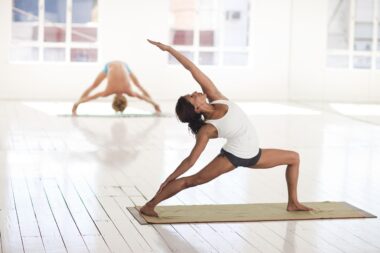
Incorporating stretching into your postnatal workout plan benefits flexibility and muscular relief. Focused stretching techniques can alleviate tension built up during pregnancy and childbirth. Practicing daily stretches will help foster a sense of well-being while also promoting circulation in your body. Consider starting with gentle head-to-toe stretches that include neck rolls, shoulder shrugs, and side bends. Remember to maintain controlled movements, taking deep breaths as you stretch; breathing should flow naturally. Concentrate on releasing any tightness in your lower back, hips, and shoulders that may have resulted from carrying your baby. By dedicating a few minutes to these stretches, you can significantly improve your flexibility and overall comfort levels. It’s important to consult your healthcare provider before starting any new stretching routines to ensure safety, especially if you’re dealing with specific recovery issues. Using tools like yoga straps can assist in deeper stretches without strain. Remember, combining breath work with stretching enhances relaxation and focus, making it a beneficial practice to restore your physical health. As a new mom, such personalized care can elevate your recovery journey significantly.
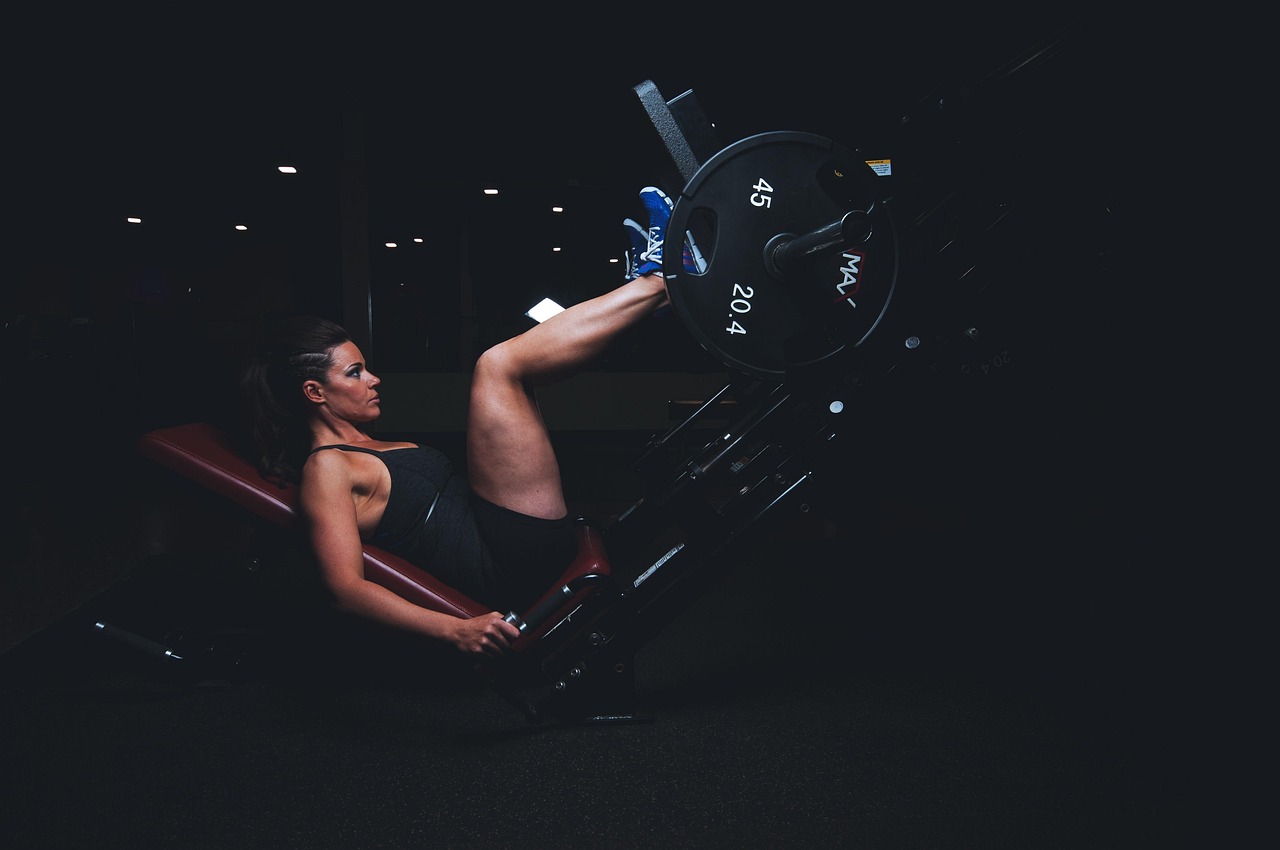
A focus on stabilization exercises to support posture and alignment is essential this week. Good posture not only enhances physical appearance but also promotes proper function for daily activities. Consider exercises that encourage proper alignment, such as wall sits, knee bends, and modified squats. Incorporating balance-enhancing movements helps cultivate stability and body awareness over time. Stability balls can also be an outstanding addition, providing support while executing strength focus movements. Simultaneously, focus on slow, deliberate motions that support muscle engagement while reducing strain. Adding light resistance bands can amplify the challenge and help enhance strength without overexertion. Always prioritize safety over intensity. Aim to perform these exercises around 10-15 repetitions each, ensuring you maintain control and fluidity. Visualize your core working during these activities; a strong connection can enhance your ability to engage the muscles effectively. As such foundations are established, new mothers will gradually notice both improvements in stability and a revitalizing energy boost. Engaging with these workouts weekly will help sustain fitness levels and promote overall well-being long after the immediate postpartum period.
Mind-Body Connection in Recovery
Understanding the mind-body connection plays a significant role in postnatal recovery. It fosters awareness of how emotions and thoughts influence physiological responses. Coupled with physical exercises, mindfulness techniques can enhance your workout experience. Techniques like guided visualization or gentle yoga can align both mind and body purposefully. Fostering this connection can ease the transition into the physical exertion required for workouts. During your sessions, keep practicing mindfulness by focusing on your breathing patterns. Acknowledge how your body feels in different movements and listen to what it communicates consistently. Also, try to incorporate meditation moments amidst workouts, allowing your body and mind to sync better. Over time, creating self-assuredness around fitness postchildbirth nurtures resilience. You might discover that mindfulness around fitness allows for deeper connections with your body and your child. Engaging positively with your workouts can transform your mental health and fitness levels significantly. Encourage narrative-driven thoughts during workouts, celebrating small victories as you overcome challenges. Such practices can significantly enrich your recovery, providing a holistic perspective on your journey through motherhood.
Engaging the pelvic floor is often overlooked yet a critical aspect of postpartum recovery. Focus on pelvic floor strengthening exercises like Kegels that promote resilience and support throughout daily activities. These exercises help rebuild muscle control and provide stability for your entire core, which plays an essential role in your overall recovery. Incorporating these exercises into your routine ensures a well-rounded program that enhances strength and stability. Aside from Kegels, consider utilizing breathing techniques that actively engage the pelvic floor during regular workouts. Aim to integrate 10-15 minutes of focused pelvic floor exercises, ensuring full concentration on proper form. Learn to recognize how to engage and relax these muscles effectively, making them a second nature aspect of your workouts. A healthy pelvic floor can significantly enhance your comfort levels as physical activities increase over time. By developing a consistent practice, you can create a solid foundation for returning to more intense workouts in the future. It’s crucial to prioritize your bodily needs, spent energy, and recovery during this journey and to consult professionals when in doubt regarding any exercise modifications.
Final Thoughts on Postnatal Workouts
Wrapping up this week, remember that postnatal recovery is an individual journey, with each mother experiencing unique needs. Tailoring a fitness regimen requires patience, creativity, and attentiveness to how your body responds. Engage in activities that bring joy and movement to your day, making the process enjoyable rather than a chore. Connecting with other new mothers who are on a similar journey can provide mutual support and encouragement. Exchange ideas about workouts and share your experiences with each other. If possible, joining a local postnatal fitness group can offer structured support while maintaining a sense of community during this transformative period. Regularly revisit your goals, adjusting as necessary to accommodate your progress. Document your routine and reflect on what works best, promoting engaged recovery. Celebrate small victories, whether they are executed movements or increased energy. Above all, be kind to yourself daily and recognize that this transition takes time and understanding. Your body is remarkable, having navigated profound changes, and prioritizing your health matters significantly. Embrace this unique journey as you reclaim strength and stability during this meaningful phase of motherhood.
Each aspect of your workout plan should be viewed through the lens of mindfulness, strength, and recovery. It’s essential to balance your needs with effective routines, ensuring that your body receives proper attention postnatal. By engaging in a supportive and well-rounded program, you set yourself up for long-term success and wellbeing. As you continue this journey, keep experiencing the joy of movement as your body transforms and heals through the process.