
Foam Rolling for Back Pain Relief
Foam rolling is a highly effective technique for individuals suffering from back pain. By utilizing a foam roller, you can perform myofascial release, which targets tight muscles and helps to alleviate discomfort. Back pain can originate from numerous sources, including poor posture, muscle tension, and lack of flexibility. Regular foam rolling can not only relieve these symptoms but also improve your overall mobility and flexibility. The primary goal of foam rolling is to apply pressure to specific points on your body, particularly the back and surrounding areas, allowing the fascia to stretch and realign. This realignment can assist in preventing future pain as well. In contrast to a massage chair or therapist, a foam roller offers a more accessible and cost-effective solution. You can easily integrate foam rolling into your daily routine at home or at the gym. The key is consistency; make it a habit to perform it regularly for optimal benefits. Start with targeted rolling of the upper and lower back, ensuring to move slowly over the roller for best results. Proper techniques are essential. Always consult a professional before beginning if you are unsure.
When practicing foam rolling, positioning is integral to maximizing its effectiveness. Begin by placing the foam roller on the floor and lie down on it along your spine, allowing your weight to rest on the foam. Use your feet to control your movements—shift your body weight forward and backward gently to roll along your spine. Focus primarily on areas where you feel tightness or discomfort. A slow, controlled approach is crucial; it can facilitate deeper tissue release compared to fast movements. Additionally, integrating different foam roller techniques can enhance your routine. For instance, target specific areas with pinpoint accuracy by adjusting your body position slightly. You can roll side to side on the roller to cover more muscle areas effectively. It’s also beneficial to combine foam rolling with stretching exercises for a comprehensive approach towards easing back pain. After rolling, spend time stretching the muscles that were covered. This combination can help restore length to muscles and improve overall body alignment. Remember, everyone’s experience with back pain is unique, so listen to your body and adjust your techniques to suit your needs.
Benefits of Foam Rolling for Back Pain
Foam rolling offers a variety of benefits that are particularly advantageous for those struggling with back pain. Firstly, it aids in increasing blood flow to the muscles, which significantly contributes to improved recovery after workouts or prolonged sitting. Enhanced blood circulation promotes healing by delivering oxygen and nutrients to damaged tissues. Additionally, foam rolling helps in releasing tension stored in the muscles, which can alleviate discomfort over time. When muscles are relaxed, they can function more efficiently, reducing the risk of further pain or injury. Furthermore, integrating foam rolling into your fitness routine can enhance overall performance. By improving flexibility and range of motion, foam rolling prepares your muscles for exercise, potentially decreasing the likelihood of strains. Many users also report that foam rolling helps in reducing stress and promoting relaxation by easing tension in the body. As an accessible tool, foam rollers are quite affordable, making them an appealing option for many. Their portability allows you to utilize them anywhere, whether at home, at the gym, or even while traveling, ensuring that back pain relief is always within reach.
It’s important to note that while foam rolling can greatly assist in alleviating back pain, it should not be the sole remedy. When experiencing chronic pain, it’s advisable to consult with healthcare professionals before implementing a new self-care routine. They can guide you on how to use the foam roller safely and effectively, especially if you have pre-existing conditions. If injuries or severe pain persist, seeking specialized treatments may be necessary to address underlying issues. Remember also to listen to your body while foam rolling; if you encounter any sharp or extreme pain, stop immediately. It’s normal to experience discomfort, but it shouldn’t be intolerable. Patience is key as it takes time to see improvements. Incorporating foam rolling as part of a holistic approach that includes proper physical activity, stretching, and good posture habits can yield better long-term results. Maintaining a balanced lifestyle is crucial. For optimal consistency, consider setting a schedule for foam rolling sessions and combining them with your workouts. This can enhance your recovery and overall wellness while promoting lasting relief from back pain.
Foam Roller Types and Selection
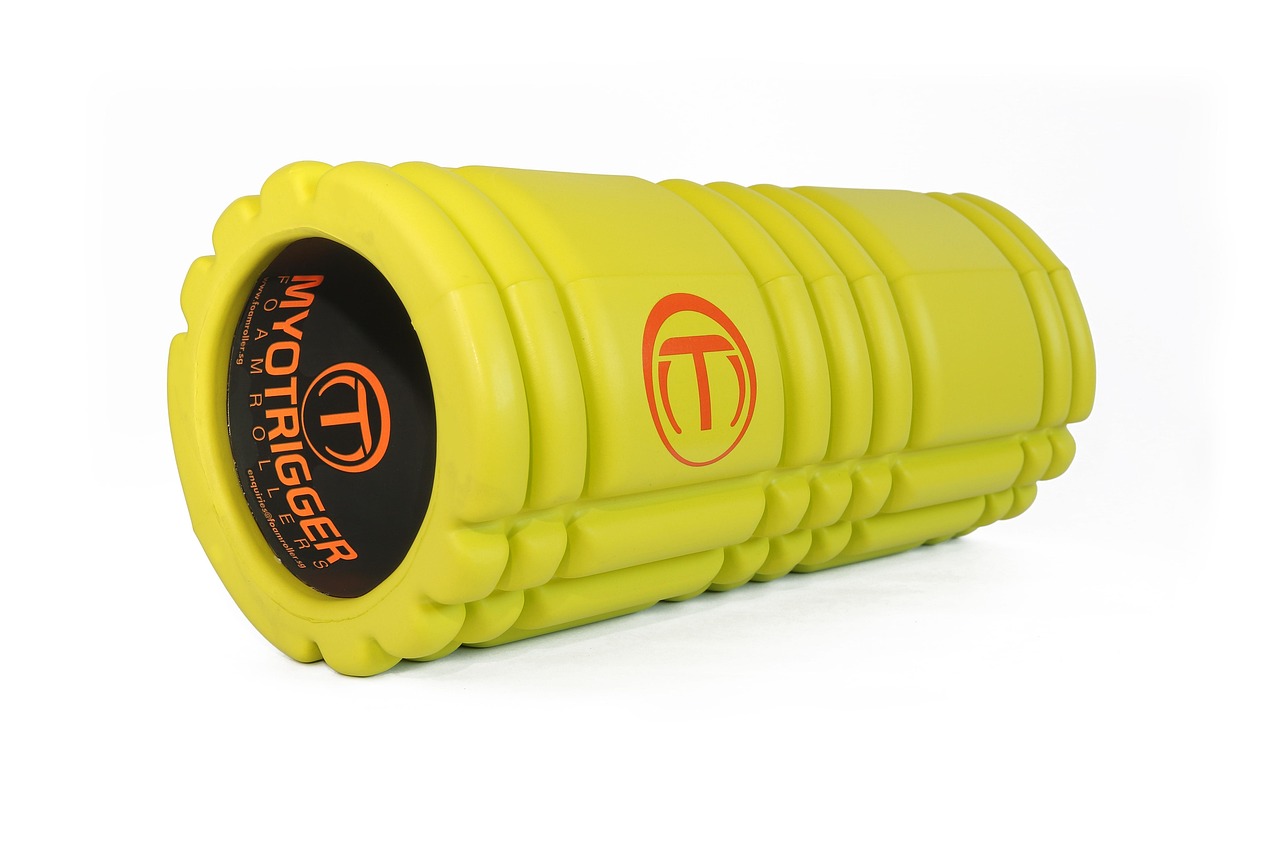
Choosing the right foam roller is essential to ensuring an effective foam rolling experience. There are several types of foam rollers available, each designed to cater to different needs and preferences. For beginners, a soft, standard foam roller may be the best option, offering a gentler massage experience. As your experience increases, you can transition to more solid rollers, which provide a deeper level of pressure. Textured foam rollers, featuring nodules or ridges, can further enhance muscle release. They help target trigger points and concentrated knots more effectively. It’s also worth considering the size and density of the roller; larger rollers can be especially beneficial for covering broader areas, like the back. For portability, smaller, travel-sized rollers are a great way to maintain your routine on the go. When selecting your roller, consider your body size and weight as well, as this can affect the pressure endured on the roller. Your choice of foam roller should prioritize comfort while still allowing for effective myofascial release. Testing different kinds can help you find the one that resonates with your needs and preferences.
Integrating foam rolling into your daily routine can yield significant benefits for both your back and overall well-being. Aim to spend 5 to 10 minutes a day incorporating foam rolling exercises to promote recovery, flexibility, and less tension. You can establish a routine that includes rolling both before and after workouts or during rest days. While rolling, focus on slow movements, as mentioned before, and breathe deeply to promote relaxation in your muscles. Combining foam rolling with other self-care practices—such as stretching, yoga, or even meditation—can create a comprehensive approach towards your physical health. Developing a self-care routine is essential in managing back pain effectively. Understanding your body’s needs and responding with appropriate actions can improve your quality of life dramatically. Additionally, consider including professional bodywork like massage therapy occasionally for a more profound relief experience. Having a varied approach can help you stay engaged and motivated to take care of your back. The importance of self-care cannot be overstated—make it a priority to support your body and overall health through foam rolling and other practices.
Conclusion
In conclusion, foam rolling offers an effective, accessible method for relieving back pain and supporting overall muscular health. Regular foam rolling encourages healthy muscle function, enhances circulation, and contributes to relaxation while minimizing discomfort. By integrating foam rolling into your daily habits, you can develop a proactive approach to your back pain management. Remember, consistency is key to reaping the full benefits of foam rolling. Whatever your chosen techniques, ensure you listen to your body and adjust your routine accordingly. Consult with healthcare professionals when necessary for personalized guidance and insight into your specific condition. Embracing foam rolling as part of a complete wellness strategy can improve your quality of life and alleviate back tension. Additionally, invest in the right foam roller that meets your needs and suits your level of sensitivity and experience. As you discover the power of foam rolling, you may find that it not only helps you combat back pain but also enhances your overall fitness journey. By taking charge of your self-care, you can maintain mobility, reduce tension, and enjoy an active lifestyle.