The Ultimate Parkour Dictionary: Key Terms Explained
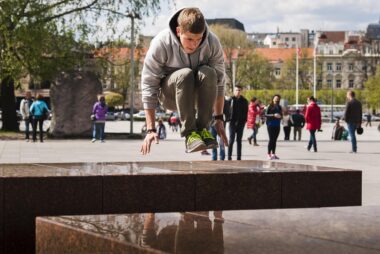
Understanding the terminology used in parkour and freerunning is essential for anyone passionate about this sport. Common terms help newcomers communicate effectively and learn new techniques more easily. Some key words include “vault”, which refers to a movement technique allowing a practitioner to leap over an obstacle, using their hands to assist in the motion. Another important term is “precision jump”, where a practitioner accurately lands on a small area, showcasing balance and control. Both terms highlight the athleticism required in parkour. In addition, terms like “flow” describe the seamless transition between movements, creating a visual dance of skill and grace. Practitioners must also grasp concepts like “roll”, a method for dissipating impact when landing from higher jumps. These terms form a foundation that supports the practice of parkour. Furthermore, understanding concepts like “tic-tac”, a movement where one pushes off a wall to gain momentum, showcases the versatility of parkour skills. By becoming familiar with these essential terms, practitioners can enhance their performance and engagement in the parkour community.
Another crucial parkour term is “wall-run”, which encompasses the technique of running up vertical surfaces for both ascent and to continue movement flow. Mastery of the wall-run requires practice and confidence to execute it effectively. Additionally, the term “kong vault” describes a specific vaulting technique where both hands are placed on an object while the body leaps forward. Learning the kong vault is often a rite of passage for many parkour enthusiasts, as it serves as a building block for more advanced movements. Moreover, practitioners must understand what is meant by “bail out”, a technique that allows athletes to safely exit a movement if they lose control. Safety is vital in parkour, and properly learning bail-out techniques can significantly reduce the risk of injury during training or performance. The term “gap jump” refers to leaping between two objects or surfaces, demonstrating the importance of both distance and precision in landing. Familiarity with such terminology can also aid in understanding instructional videos, workshops, and seminars. This knowledge further enriches a parkour enthusiast’s engagement within the community.
Advanced Techniques and Movements
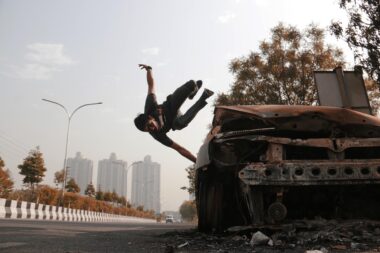
Building upon foundational movements, parkour incorporates several advanced techniques that further challenge practitioners. The “cat leap” is a finesse skill enabling the jump and landing on an object using only hands initially, allowing for a smooth drop into a safe landing. Another vital term, “monkey vault”, showcases flexibility and speed, emphasizing fluid motion over obstacles. Practicing these advanced techniques enhances agility and builds the confidence necessary for more complex maneuvers. The term “backflip” refers to a backward acrobatic maneuver requiring exceptional body awareness and spatial orientation. Executing a backflip perfectly illustrates the seamless integration of acrobatics into parkour movements. Additionally, understanding the concept of “flow” is central to appreciating the artistry of parkour. Flow involves linking together various movements skillfully, creating a visually pleasing and efficient run through a parkour course. Also, the term “freerunning” itself is often used interchangeably with parkour but focuses more on creative movement, often including flips and tricks. Learning to appreciate these subtleties can deepen one’s understanding and enjoyment of the sport.
The term “flow” also plays a pivotal role in determining how smooth a practitioner navigates their environment. A successful parkour run requires the fluid integration of various techniques, enabling efficient movement through challenging obstacles. Additionally, grips and holds are intricate aspects to explore, as they affect the execution of different skills. For instance, a solid grip on edges — sometimes described as an “edge grab” — can significantly enhance success in executing challenging moves. Leaning into the word “transfer” signifies transitioning from obstacle to obstacle while maintaining momentum; mastering transfers is essential in parkour. Further, nomenclature like “half-bar” relates specifically to urban environments, referring to movements utilizing the railings or edges of urban architecture. Familiarizing oneself with local spots also leads to strategic planning so that movements remain fluid and efficient. All this vocabulary intertwines to showcase the creativity and technicality inherent within parkour. Furthermore, each term plays its part in building a comprehensive lexicon for the sport that fosters better communication among athletes, coaches, and enthusiasts alike.
Understanding Parkour Culture
Parkour is more than just physical skill; it also embraces a unique culture and philosophy. The phrase “Be strong to be useful” encapsulates the spirit behind parkour, emphasizing efficiency and functionality over aesthetics. Practitioners often embody this notion, focusing on forging their personal journeys through challenges. The community aspect of parkour fosters friendships and motivational support for both new and experienced athletes. Social media platforms play a significant role in connecting practitioners globally, allowing the sharing of techniques, tips, and experiences. Also, terminology surrounding the culture is essential; terms such as “crew” denote groups of individuals practicing together, enhancing the communal atmosphere of the sport. Sharing knowledge within these crews helps elevate skill levels and encourages collaborative learning. Events such as parkour jams — informal gatherings to train and socialize — help solidify relationships among participants. Such interactions profoundly impact personal growth and community connection. Integrating these linguistic elements makes the world of parkour more vibrant and accessible while inspiring newcomers to explore their potential within the sport. The glossary of terms expands our horizons and fosters lifelong connections in the parkour community.
Continuing to expand the parkour lexicon, the term “precision landing” is essential, referring to landing with accuracy on a designated target. Practitioners must develop body awareness and control to achieve clean precision landings, often requiring significant practice. Moreover, the concept of “timing” becomes crucial; understanding the right moment to execute a move leads to greater success. Practitioners discuss timing in relation to obstacles and speeds, particularly when combining techniques. Further, the vocabulary adjacent to parkour terminology involves concepts such as “adaptability”. This refers to the ability to modify techniques based on different situations or environments, showcasing a critical aspect of the parkour philosophy. The term “urban exploration” also ranks among significant parkour concepts, encouraging practitioners to discover and more fully appreciate their surroundings. Each of these terms ultimately carries substantial weight, embodying the essence of parkour while advocating for physical and mental resilience. Additionally, grasping the nuances behind these terms deepens one’s connection to the sport while promoting understanding between various communities and practitioners across the globe.
Propelling Yourself Forward
Within the parkour world, terminology drives understanding and performance. Terms like “lander” — referring to the person who is landing after a jump — embody the dynamic nature of the sport. Additionally, the distinction between parkour and freerunning can create compelling discussions, often revolving around the creative aspects of the latter. While parkour may prioritize efficient movement over obstacles, freerunning emphasizes creativity, style, and flair in execution. Being aware of this difference fosters a broader appreciation of both disciplines within the parkour community. Furthermore, the term “training” in parkour isn’t solely physical; mental preparation allows practitioners to build confidence and resilience needed for overcoming challenges. Using questioning techniques, practitioners can engage in practicing mental visualization to enhance skills. The concept of recovery is equally vital; becoming familiar with recovery strategies — whether physically or mentally — ensures longevity in the sport. The interrelation of these terms contributes to a holistic understanding of parkour and its unique demands. As such, developing a solid understanding of parkour terminology encompasses influences from both the physical motions and underlying philosophies shaping a practitioner’s journey.
To conclude, a comprehensive glossary of parkour terminology encapsulates the intricacies of this unique sport. Terms such as “drop”, which indicates descending from an obstacle, highlight the variance in movement and skill levels among practitioners. Each word reflects vital components of the athletic discipline, enhancing both communication and learning opportunities. Additionally, understanding terms related to injury prevention also greatly benefits practitioners; injury is a common concern in high-impact sports like parkour. Grasping preventive terminologies places emphasis on safety and proper techniques, creating a safer training environment. Furthermore, engaging with parkour vocabulary can demystify the learning process, bolstering greater interest in the sport among newcomers. The well-structured exploration of terminology serves to prepare the aspiring practitioner for the breadth of techniques and community aspects they will navigate. Each learned term bridges the gap between practice and performance, ultimately enhancing overall engagement within the parkour community. Mastering these essential words is a significant stride toward becoming an informed and skilled practitioner, setting the stage for meaningful experiences in both training and performance.