
Knife-Edge Cuts: Advanced Footwork Moves for Basketball
Basketball, being one of the most dynamic sports, requires players to master various footwork techniques. Among these, knife-edge cuts hold a critical role in facilitating quick directional changes. This skill is not just about speed; it combines agility and precision to outmaneuver defenders. When executed effectively, knife-edge cuts can create open spaces on the court for shooting or passing. Players often overlook the importance of these cuts in their overall game strategy. By investing time to practice this advanced footwork move, players can dramatically enhance their performance. Training to achieve the right angle and body posture during the cut ensures maximum effectiveness. Additionally, combining this technique with ball handling skills can lead to effective scoring opportunities. Coaches and trainers emphasize drill repetitions to reinforce muscle memory. Ultimately, mastering knife-edge cuts will significantly bolster a player’s offensive game. Players should initiate the practice with a focus on balance and lower body strength. Over time, these skills can lead to a more impactful presence on the court, enabling players to make quick, decisive moves during gameplay.
The knife-edge cut is an essential move for basketball players aiming to improve their offensive capabilities. To begin with, this move incorporates an athlete’s ability to stop and start quickly. As you position yourself to execute a knife-edge cut, ensure your body is low, and your weight is on the balls of your feet. This stance provides both stability and agility. During the cut, focus on pivoting your foot while simultaneously pushing off in the opposite direction. Use your arms to maintain balance and enhance the dynamics of your movement. Practicing this technique in front of a mirror can help you analyze your form and adjust accordingly. It’s crucial to look ahead during the execution to anticipate the defender’s reaction. Participating in drills that involve cutting to open spaces can further enhance your ability to apply this technique in real-game situations. Moreover, using cones or markers on the court can serve as guidelines that help in perfecting the angle and precision necessary for effective cuts. By employing these strategies, players can incorporate knife-edge cuts seamlessly into their gameplay, reducing the chances of turnovers.
When it comes to drills for mastering knife-edge cuts, there are several effective practices players should consider. Start with basic cutting drills to establish a strong foundation. These drills might include stationary cuts, where a player practices the footwork without a ball. Next, advance to dynamic drills, incorporating dribbling or catching the ball while executing the cuts. For instance, set up defensive players who mimic real-game scenarios. This environment allows for practicing under pressure, which is crucial for gameplay. To further enhance difficulty, try varying the angles of approach, adjusting the speed, and changing directions rapidly. Using timing during these exercises will also help condition your response to game situations. Assessing your approach angle can provide insights into improving your cutting technique and overall performance. Incorporate feedback from coaches or peers to refine your execution further. This feedback loop can be invaluable for players striving to elevate their skills. Consistency in practice is crucial; dedicate time each week to focus specifically on perfecting your knife-edge cuts. Over time, these movements will become second nature during competitive play.
Importance of Balance in Knife-Edge Cuts
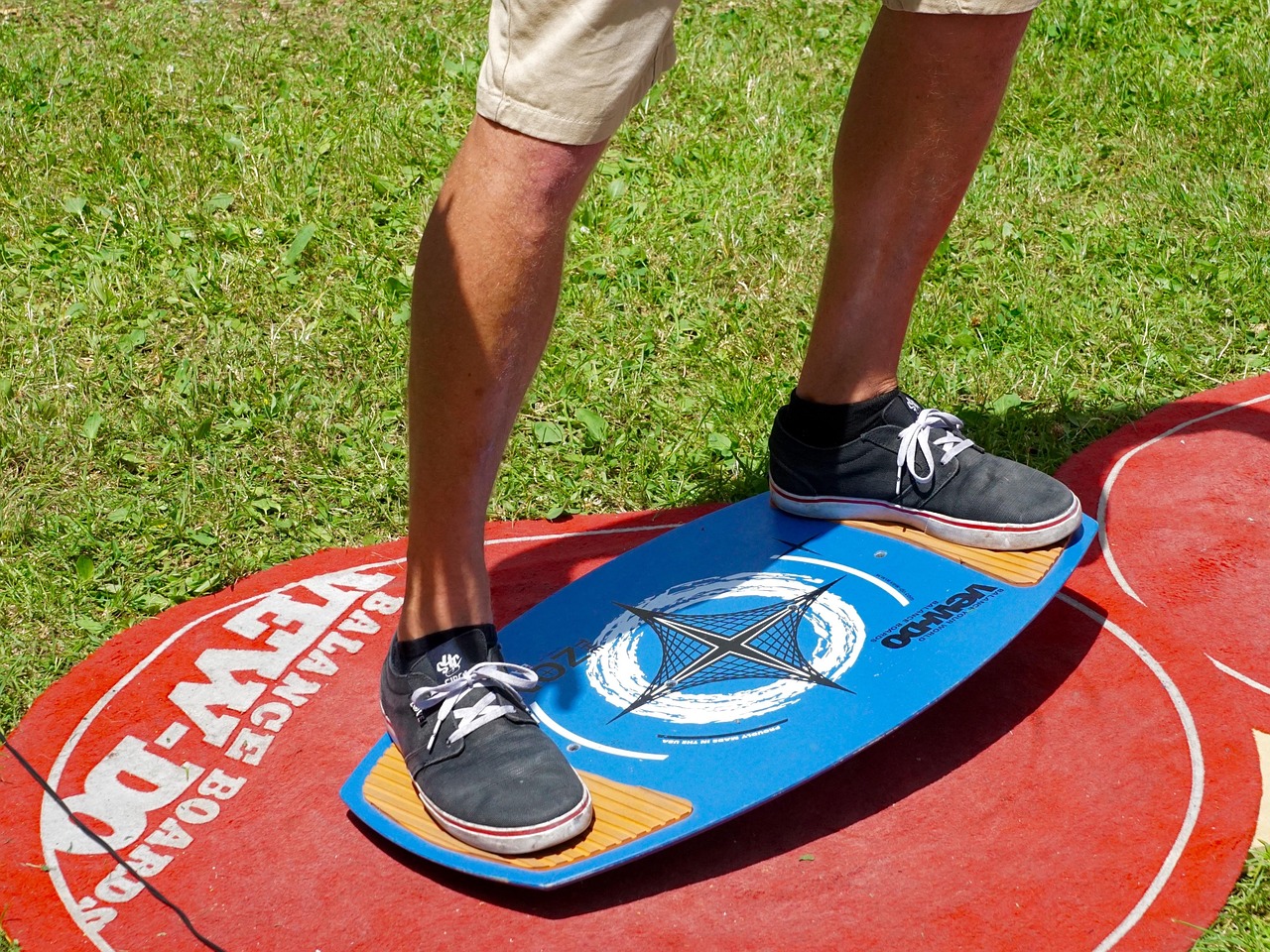
Balance plays a vital role in the successful execution of knife-edge cuts. Achieving the right balance not only aids in maintaining control during the cut but also in executing subsequent moves effectively. A strong center of gravity allows players to push off quickly, making their cuts more explosive. To improve balance, players can incorporate specific strengthening exercises targeting the core and legs. A well-developed core enhances stability, which is crucial for rapidly changing directions. Additionally, various balance drills, such as single-leg stands or agility ladder exercises, can be invaluable. These drills train the body to respond efficiently under different conditions, mirroring real-game dynamics. When players maintain balance while executing cuts, they minimize the risk of injury and maximize performance potential. Incorporating flexibility training can further improve the range of motion in the hips and legs, enhancing the quality of the cut. Furthermore, using tools like stability balls or balance boards during training can reinforce these principles. Ultimately, developing balance is key for any basketball player looking to execute knife-edge cuts with confidence and precision.
Footwork fundamentals extend beyond executing cuts; they also encompass understanding timing and spacing on the court. As you practice knife-edge cuts, it is essential to grasp when to perform them relative to the game’s flow. This demands a heightened awareness of both teammates and defenders around you. A well-timed cut can disrupt a defense and create scoring opportunities. Like a dance, basketball requires that players anticipate their surroundings while managing their movements. By enhancing your footwork, you not only become a more versatile player but also a more strategic one. Work on communicating with teammates during drills, allowing them to understand your movements and intent. Such synergy often results in smoother gameplay and effective transitions. By refining your sense of timing, execute knife-edge cuts where defenders are out of position. This ultimately enhances your effectiveness as a scorer. Practicing with varied situational plays can cultivate instinctive cutting during live gameplay. Focus on breaking down defensive lines, creating seams for quick passes or shots. Players who master timing and spacing greatly enhance their offensive capabilities, leading to more impactful game contributions.
Players should focus not only on the physical aspect of cutting but also on the mental component of the game. Developing an awareness of defensive schemes and player positions is vital during offensive plays. Knife-edge cuts can often exploit gaps within a defense created by miscommunication or poor positioning. Anticipating these scenarios enables players to make strategic decisions and execute cuts that catch defenders off guard. Study game footage of professional players to analyze how they employ footwork effectively against various defenses. This can serve as a practical learning tool, showcasing the effectiveness of knife-edge cuts in different contexts. Seek feedback from coaches on these observed techniques to gain insights that could assist in personal development. Additionally, conducting self-assessments after games can reveal patterns and areas for improvement regarding footwork. Incorporate visualization techniques to mentally rehearse successful knife-edge cuts before stepping on the court. This psychological preparation can foster confidence during actual gameplay. Ultimately, combining mental and physical training ensures that players develop a well-rounded approach towards mastering knife-edge cuts.
Conclusion: Integrating Knife-Edge Cuts into Your Game
In closing, knife-edge cuts are invaluable skills that significantly enhance a basketball player’s offensive abilities. By implementing the drills discussed, focusing on balance, timing, and mental preparation, players can integrate this technique seamlessly into their gameplay. Remember to focus on executing cuts with precision and confidence while continually assessing your progress and adjusting accordingly. Making these cuts become instinctive will bolster your overall performance on the court. As you deepen your understanding of footwork fundamentals, don’t forget to practice consistently and seek peer feedback for improvement. Furthermore, consider documenting your training sessions for personal analysis to track progress over time. Participating in workshops or camps that emphasize advanced footwork can also provide unique insights along with the standard drills. Never shy away from challenging yourself; the more you push your boundaries, the greater your potential. Knife-edge cuts are a gateway to becoming a multidimensional player who can maneuver fluidly on the court. Embrace these intricacies, and let your hard work reflect in your gameplay. Ultimately, perfecting footwork allows players to rise to new heights in their basketball careers.
…