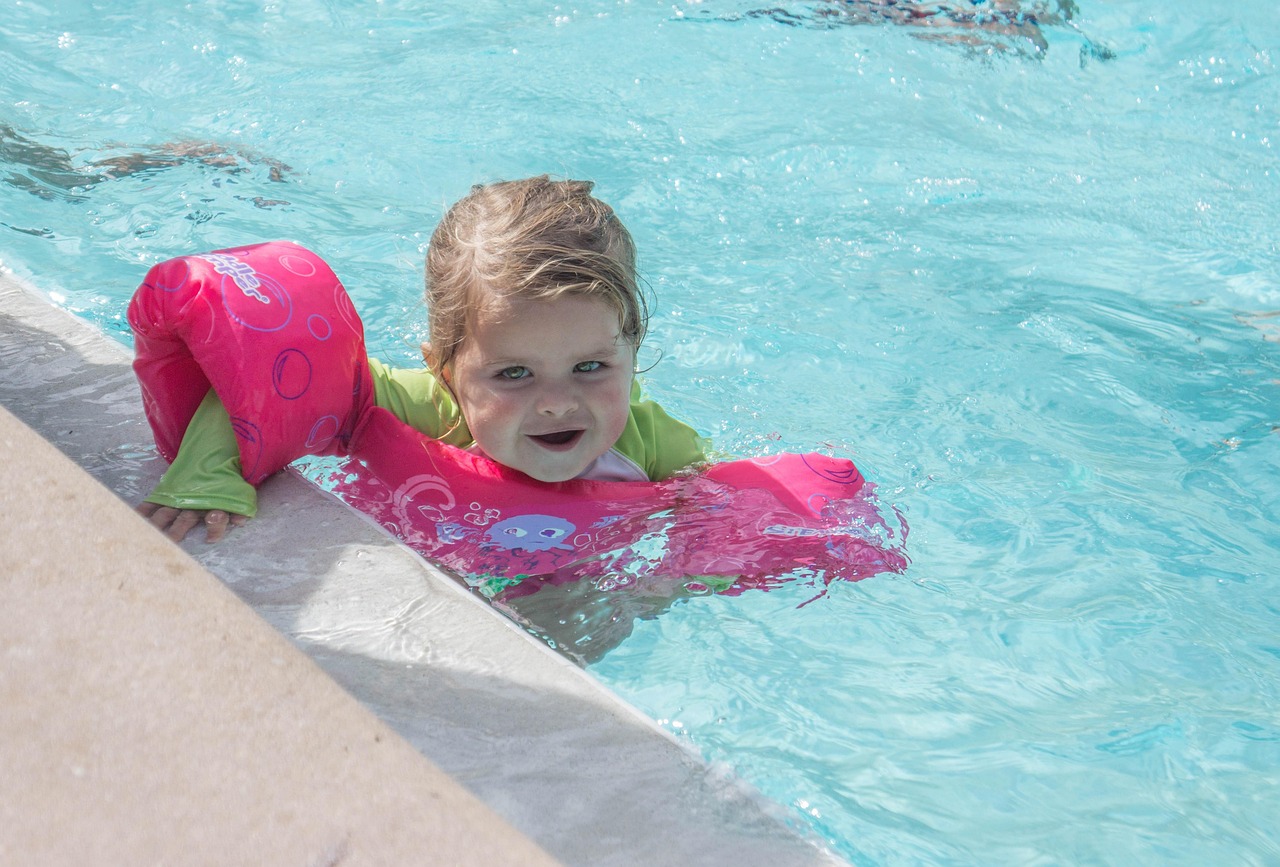

Tracking Progress: Swim Milestones for Children
Swimming is a vital life skill, especially for kids. Teaching children to swim early on fosters not only safety but also confidence in the water. Establishing clear milestones can enhance their development and ensure they receive the most out of swim lessons. These milestones might include successfully floating, proper breathing techniques, and executing different strokes. Continuous tracking helps parents understand their child’s progress and celebrate achievements. One effective way to document growth is by keeping a swimming journal, noting each skill learned. Another tip is to set realistic goals, so kids feel a sense of accomplishment. Engage kids in the goal-setting process; it can motivate them to swim better. Additionally, it’s important to celebrate swimming milestones. Small rewards can reinforce positive behavior and encourage further participation. Work with qualified instructors who understand how to help kids develop their swimming abilities. Being patient is key; every child has their own pace to learn. In conclusion, advancing swim milestones is crucial for fostering children’s safety and enjoyment in swimming, making it an essential part of their fitness journey.
Key Swimming Milestones for Kids
Understanding the fundamental swimming milestones for kids ensures structured progress in their skill development. These milestones can be categorized by age groups, starting with toddlers to preschoolers, and then transitioning to school-age children. For toddlers, the first milestone is often simply becoming comfortable in the water; they may begin with water play activities that introduce buoyancy. As children grow, they’ll learn how to float, which serves as a precursor to swimming strokes. The next milestone is mastering basic strokes, such as freestyle and backstroke; this is typically achieved during ages six to eight. Older children can progress to more complex strokes and techniques, like diving and flip turns, around nine to twelve years old. Recognizing the importance of safety skills, teaching children how to tread water is crucial, as this skill can save lives. Regularly assess and revise swimming goals based on the child’s age, comfort level, and prior achievements. Parents and instructors should acknowledge that each child will reach these goals at their own pace. Swimming milestones should be approached as a fun adventure rather than a chore.
Feedback is essential when it comes to tracking swim milestones. Children thrive on positive reinforcement, so encouraging them after practicing is necessary. Constructive feedback helps identify areas that require more focus. Using a variety of techniques, such as visual demonstrations or verbal instructions, can cater to different learning styles. Engage with your child during practices and offer helpful tips after each swim lesson. Tracking progress can also be a group effort; consider having siblings or friends join for swim sessions. Participating together encourages a supportive atmosphere. Record accomplishments, such as the distance swum or number of laps completed, either on a chart or in a journal. This way, kids can visibly see their progress over time. Make it fun by introducing swim challenges or games that allow children to apply their skills in a playful manner. Ultimately, establishing a supportive environment filled with feedback and encouragement will help children feel more accomplished and confident in their abilities. Ultimately, consistent practice combined with timely encouragement can lead to significant improvements that inspire a lifelong love for the water.
Involvement in swim competitions can also play a significant role in tracking aquatic progress among kids. Competitions not only foster a sense of accomplishment but also great peer interaction. Whether through local swim meets or school competitions, kids can test their skills against others while building sportsmanship. It’s essential, however, to create a positive mindset related to competitions; they should never feel pressured to win. Encourage children to set personal bests rather than focusing solely on medals or trophies. Track their improvements steadily, as documenting their times and performances can help them gain confidence. Consider volunteering as a coach or assistant on their swimming team to help facilitate skill development. In so doing, kids will feel supported while navigating competitive environments. Familiarizing your child with swim etiquette during competitions is also critical; they need to understand respect for other swimmers. Above all, remind your child that progress is measured both in wins and in personal growth. Create a positive atmosphere surrounding competitions to help shape resilient swimmers who value improvement as much as winning.
Adapting Techniques for Individual Needs
Every child has individual needs and preferences, particularly in learning how to swim. It’s crucial to adapt swimming techniques to accommodate those differences. For instance, children with varying levels of comfort in the water may require distinct teaching approaches. Some kids may excel with verbal instructions, while others might need more hands-on guidance. Extra attention might be necessary for children who have special needs or require additional support. Involve the child during lesson planning; this can empower them. Engage with them occasionally on what they find most enjoyable while swimming. Incorporating games and playful interactions will encourage retention. Mixing traditional drills with engaging activities can stimulate interest. Have fun with swim equipment like floatation devices or kickboards; it can make learning engaging. Be attentive and flexible in adjusting techniques if a child appears frustrated or disinterested. Creating a positive experience around swimming will help them develop a love for the sport. Take time to periodically evaluate your approach and adapt techniques to ensure continued enthusiasm.
Monitoring physical fitness in aquatic activities is also essential for kids, along with tracking swim milestones. Understanding how swimming contributes to overall health helps parents make informed decisions. Swimming offers cardiovascular benefits, strengthens muscles, and aids flexibility, ensuring comprehensive fitness development. Children who swim regularly often showcase improved coordination and balance, supporting their growth in other physical activities. Scheduling regular swim sessions is crucial; consistency is key in augmenting fitness levels. Keep an active log of swim sessions, incorporating exercises that target various muscle groups. Encourage children to try additional water-based activities, such as synchronized swimming or water polo, to diversify their fitness routine. These options can help maintain their interest. Plus, monitoring hydration and nutrition becomes pivotal as their intensity increases; kids must remain fueled for optimal performance. Explore nutrition options that provide energy, such as fruits or granola bars, which can be consumed before practices. A well-rounded approach to fitness through swimming ensures that children not only enjoy their aquatic journeys but also receive numerous health benefits.
Making Swimming Fun for Lifelong Engagement
Incorporating fun activities into swimming lessons facilitates lifelong engagement in the sport. Children are more likely to continue swimming when they associate positive memories with the experience. Utilize games, races, and water challenges to break monotony during practice sessions. Creative approaches, such as scavenger hunts in the pool or group storytelling while floating, can also foster enthusiasm. Celebrate achievements both big and small; this practice nurtures motivation. Organizing fun swimming events with other kids can promote socialization. When kids see swimming as enjoyable, they are more inclined to partake in it regularly. Organizing themed swim days can introduce novelty, allowing kids to dress or act accordingly. Creating memorable moments fosters attachment. Reinforcing swimming as a family activity can also strengthen kinship bonds. Encourage family swim days, making it a regular ritual. When children experience shared moments with loved ones, it nurtures enthusiasm in them to pursue water activities. Always prioritize fun during swimming lessons and play; enjoyment lays the foundation for a long-lasting love of water. Above all, the objective should be to instill an abiding respect and delight for swimming in their lives.
In conclusion, monitoring swim milestones plays a crucial role in fostering a child’s aquatic abilities and overall fitness. Documentation of achievements provides valuable insights into their learning processes while bolstering their self-esteem. Children learn best in supportive environments that emphasize fun alongside structured lessons. By setting realistic goals, recognizing individual learning styles, and celebrating successes, caregivers can guide kids in becoming adept swimmers. Additionally, making the transition from practice-oriented goals to competition readiness helps motivate young athletes. It is equally important to emphasize that swimming is a lifelong journey; promoting consistent practices and encouraging exploration of various aquatic activities keeps interest alive. Through the delivery of enjoyable experiences and by supporting growth at every stage, caregivers create well-rounded swimmers who appreciate the sport. Prioritize consistent tracking, provide engaging activities, and offer plenty of encouragement as they navigate the pool. Doing so nurtures not just skilled swimmers but fosters respect for the water and lifelong enjoyment of swimming. Ultimately, appreciating both personal achievements and enjoyment in the water enables children to carve their paths in swimming, leading to healthier, happier lives.