
The Importance of Balanced Energy for Youth Athlete Development
Energy balance is a critical component in the development of youth athletes. For optimal athletic performance, it is vital that young athletes consume enough energy to fuel their activities and support growth. An adequate caloric intake helps ensure that the body can meet the demands of exercise without compromising overall health. Moreover, it is essential that food choices are rich in nutrients, not just calories. A balanced diet means including carbohydrates, proteins, and fats in appropriate proportions. Carbohydrates provide energy, proteins assist in recovery and repair of muscles, while healthy fats are useful for longer-lasting energy. Athletes should also focus on staying hydrated and consuming nutrient-dense foods that promote overall well-being. This dietary approach supports an athlete’s training regimen and daily life. Team coaching and sound nutritional advice are crucial in guiding young athletes towards making healthier food choices. Understanding energy balance allows athletes to learn more about how to manage their diet for better resilience in sports. As youth athletes grow and compete, maintaining an appropriate energy balance becomes essential for not just athletic success but for lifelong healthy living.
Nutritional Needs of Young Athletes
Every young athlete’s nutritional needs vary based on several factors, including age, type of sport, duration and intensity of training, gender, and body composition. During periods of growth and intense physical activity, athletes require more energy to support both their development and athletic performance. A general guideline is for young athletes to consume nutrient-dense foods to ensure they are fueling their bodies sufficiently. Foods rich in vitamins and minerals, such as fruits and vegetables, should be abundant in their diets. Including whole grains, lean proteins, and healthy fats is equally important. Meal timing is another critical element. Consuming balanced meals and snacks before, during, and after training helps maximize performance and recovery. For instance, having a carbohydrate and protein-rich snack following workouts can replenish energy and enhance recovery processes. Furthermore, proper hydration plays a fundamental role in maintaining energy balance and peak performance. Young athletes must learn to listen to their bodies and adjust their food and drink intake according to their physical demands. This approach sets a solid foundation for lifelong healthy habits while supporting their athletic goals.
An athlete’s energy balance can significantly impact both physical performance and mental focus during training or competition. Consistently fueling the body with the right nutrients allows for better endurance and strength, which is crucial in competitive sports. Young athletes often underestimate the role of proper nutrition in their performance, leading to issues such as fatigue or decreased motivation. A well-balanced diet not only impacts athletic capability but also mental health and motivation levels. Establishing good nutrition habits can lead to improved concentration and focus during training sessions and competitions. Educators, coaches, and parents play a vital role in promoting healthy dietary choices among young athletes. They should emphasize the importance of understanding personal energy needs and maintaining an optimal caloric intake. If athletes consume excess calories without increasing their physical activity, they may gain unwanted weight, which can impair performance. Conversely, insufficient caloric intake can lead to fatigue and diminished strength. Thus, monitoring and adjusting energy intake based on activity levels becomes crucial for sustained performance and growth. Awareness of these dietary practices contributes directly to maximizing athletic and academic performance among youth.
The Role of Healthy Snacks
Healthy snacks form an integral part of an athlete’s dietary regime, playing a crucial role in maintaining balanced energy levels throughout the day. Youth athletes often have demanding schedules, packed with schoolwork and sports training. Quick, nutritious snacks can help fill the gap between meals and replenish energy stores post-training. Favorable snack options include yogurt, fruits, nuts, and whole-grain crackers, offering a good mix of carbohydrates, protein, and healthy fats. These foods not only sustain energy but also provide essential nutrients for recovery and growth. Young athletes should aim to consume snacks that are both satisfying and nutrient-dense to avoid choosing quick fixes of sugary options that lead to a crash in energy. Snacks should ideally contain a combination of protein and carbohydrates, which can promote better recovery and sustain energy levels. Involving young athletes in meal and snack planning helps foster a deeper understanding of nutrition and energy balance. Teaching them to make informed choices can lead to lasting healthy habits. This empowerment supports their growth not only as athletes but also as health-conscious individuals.
Monitoring energy balance is important for young athletes, especially when it comes to avoiding weight-related issues and promoting overall health. Not only does energy balance relate to performance, but it is also crucial to prevent negative physical and psychological effects that may arise from improper dietary habits. For instance, excessive focus on weight loss can lead to disordered eating patterns among young athletes. This unfortunate reality prevents them from reaching their full potential and can severely hinder their physical well-being. To address this concern, open communication about nutrition and body image is essential. Coaches and parents should encourage a healthy relationship with food and exercise, recognizing the long-term effects these habits could have. Regular physical activity and a well-rounded diet are key components in fostering a productive training environment for youth athletes. Ultimately, recognizing the significant impact of proper nutrition on both performance and mental health enables young athletes to develop a more balanced approach. The education of energy balance allows future generations to prioritize their well-being while excelling in sports or physical activities.
Hydration and Performance
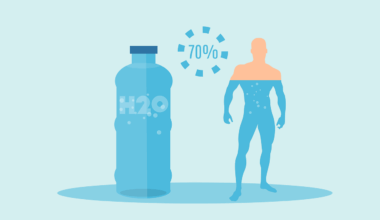
The importance of hydration cannot be overstated, especially for young athletes engaged in regular training and competition. Water plays an essential role in nearly every bodily function, including regulating temperature, aiding digestion, and transporting nutrients to cells. Without adequate hydration, athletes may experience fatigue, decreased performance, and an increased risk of injury. Young athletes should be educated on how to recognize signs of dehydration, such as thirst, fatigue, headache, or dark urine. Encouraging them to drink water before, during, and after physical activities can help maintain optimal hydration levels. Sports drinks with electrolytes can be beneficial during extended training sessions or competitions that last over an hour, especially in hot weather. However, these drinks should not replace water entirely. Coaches and parents must instill healthy hydration habits and make sure there is enough access to drinking water during practices and events. By creating an environment that promotes drinking regularly, young athletes will not only enhance their performance but will also develop important lifelong hydration practices. Protecting overall health through proper hydration contributes significantly to success in sports and general well-being.
Balanced energy intake is vital during competitive seasons, where activity levels often increase substantially. Young athletes need to adapt their caloric intake accordingly, ensuring they meet the energy demands of rigorous training and competitions. Notably, transitioning between light training days and competitive event days calls for keen adjustments in a young athlete’s nutrition. On days with extensive training, athletes should focus on increasing carbohydrate intake to adequately fuel their muscles. Conversely, on less intensive days, the caloric intake may be reduced while still ensuring nutrient density remains high. Strategizing meal and snack options throughout the day can help maintain energy balance, and incorporating micronutrients is just as essential to support recovery and performance. Educators and coaches ought to guide young athletes by providing information on proper nutrition and energy intake strategies. Introducing meals that are easily digestible prior to competition—for example, oatmeal or bananas—will help optimize performance levels. In conclusion, maintaining a suitable caloric balance contributes to achieving peak athletic performance, cultivates a sustainable training regimen, and encourages overall health for young athletes.
Conclusion: Emphasizing Energy Balance
In conclusion, energy balance plays a pivotal role in the development of youth athletes, underscoring the importance of proper nutrition in their growth and athletic performance. Establishing a foundation of balanced energy intake empowers young athletes to excel not only in sports but in their daily lives as well. Coaches, educators, and parents are essential in guiding these young athletes towards healthy food choices and habits that can last a lifetime. Adequately fueling the body allows athletes to maximize their potential, recover efficiently, and maintain optimal performance levels during training and competition. By nurturing an understanding of energy needs and implementing a balanced diet, young athletes will foster a healthier relationship with food, their bodies, and their athletic pursuits. As the emphasis on sports continues to rise in education, ensuring young athletes are educated on nutrition and energy balance is paramount. Investing in their development through proper guidance and support paves the way for success and overall well-being. Promoting healthy energizing food choices ultimately contributes to a brighter future for youth athletes, setting them on the path for sustainable, long-term athletic success.