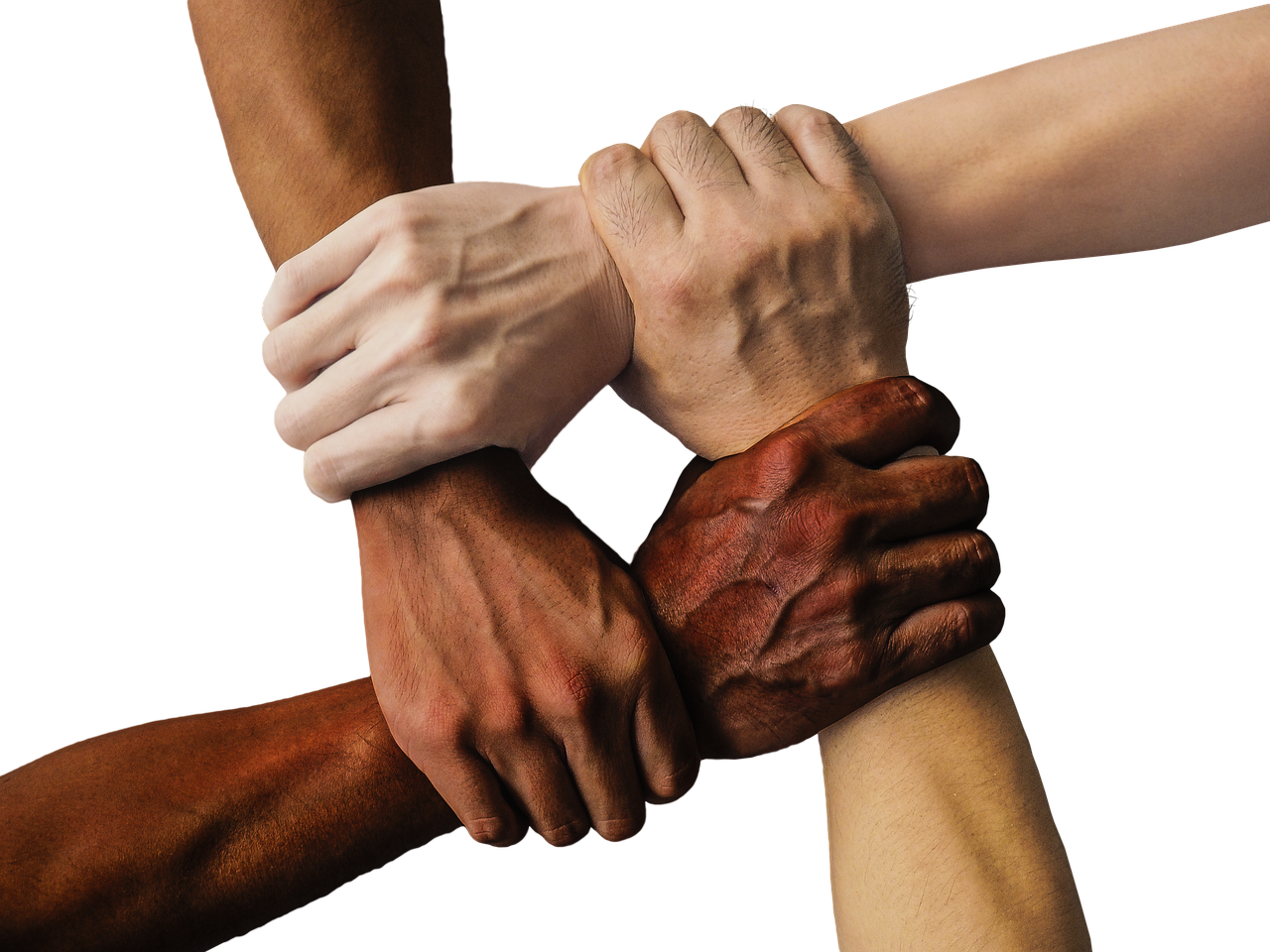

Community Involvement in Promoting Sports Ethics
Sports ethics encompasses the moral principles that guide individuals in the sports community. Community involvement plays a vital role in promoting these ethical standards and ensuring fair play within various sporting events. Engaging local organizations, schools, and teams helps to cultivate an environment where integrity is valued. Communities can initiate programs that educate young athletes about the importance of fair play. These initiatives can involve workshops that provide practical examples of ethical behavior in sports. For instance, local coaches can share their experiences, fostering discussions on sportsmanship and respect for opponents. By emphasizing these values, communities can influence the next generation of athletes. Furthermore, establishing community-based competitions that prioritize ethical conduct creates opportunities for athletes to practice good sportsmanship. Initiatives that reward fair play can enhance athletes’ understanding that their behavior on and off the field matters significantly. Additionally, partnerships with schools can help integrate sports ethics into educational curriculums, ensuring that young people recognize these principles early on. As a result, community involvement becomes a cornerstone of sports ethics, reinforcing the idea that integrity and fair play are essential components of sports culture.
Encouraging transparency and accountability is essential in the fight against unethical behavior in sports. Communities can implement programs that hold athletes and coaches accountable for their actions, creating environments where ethical behavior is expected. For example, local governing bodies can establish codes of conduct that all participants must adhere to while engaging in sports. This includes guidelines for fair competition, respect towards referees, and sportsmanship. Moreover, community forums can be organized to discuss prevalent issues related to integrity in sports, enabling everyone to voice their concerns and suggestions. These dialogues can lead to actionable steps that promote ethical behavior in the sporting culture. Another significant aspect is training and educating referees and officials. These individuals are crucial in maintaining game integrity, and their transparency in decision-making can instill trust among athletes and spectators alike. Workshops focused on improving officiating skills can help ensure that referees understand the importance of fairness, thus discouraging bias and favoritism. By creating a collaborative approach within the community, everyone contributes to promoting a culture of ethics and accountability in sports.
The Role of Local Organizations
Local organizations, such as youth sports clubs and recreational leagues, have a significant part to play in promoting sports ethics. These entities can introduce programs that focus on ethical training for young athletes. By incorporating sportsmanship lessons into practice schedules, they can teach participants about respect, teamwork, and fair competition. Developing a mentorship program where experienced athletes guide younger participants is particularly effective. This can help instill moral values and demonstrate the importance of maintaining integrity as they pursue excellence in their sport. Collaborating with schools is another approach. Schools can host seminars that feature motivational speakers from the sports community who emphasize the significance of ethics in athletics. Additionally, local press can cover ethical achievements in the community, providing recognition to athletes who exemplify integrity and fair play. This ongoing recognition encourages others to follow suit, creating a ripple effect that strengthens the community’s commitment to sports ethics. Moreover, fundraising for charity events can serve as an avenue for promoting sports ethics, where proceeds are directed towards local initiatives, creating an even stronger community bond through sports complexity.
Parents and guardians also play a critical role in shaping the ethical behavior of young athletes. It is essential for families to model appropriate conduct during sporting events, illustrating how to handle wins and losses gracefully. They should engage with children about the importance of respect for opponents and officials while reinforcing the principles of honor and integrity. Creating an open dialogue can encourage young athletes to voice their experiences and concerns regarding ethical dilemmas in sports. This not only fosters communication but also empowers them to make ethical decisions on their own. Parents can volunteer in community sports programs, thereby gaining insight into the ethical standards being promoted. This involvement can help them reinforce these values at home, enhancing the collective effort toward ethical sportsmanship. Additionally, schools can facilitate workshops aimed at educating parents on the ethical responsibilities they hold in supporting their children. This creates a collaborative effort where both parents and coaches work together towards fostering an atmosphere of sports ethics. When parents actively engage in these discussions, they contribute significantly to helping young athletes navigate ethical challenges effectively.
Promoting Athletic Integrity
Integrity in sports goes beyond competitive fairness; it also relates to personal character. Young athletes should be encouraged to embrace integrity as a core value, emphasizing that their reputation is built on honesty and respect. Community organizations can organize events that showcase athletes who exemplify these values, helping to create role models for young participants. This could include sharing stories about overcoming adversity through ethical conduct, thereby illustrating the impact of maintaining integrity. Additionally, presentations and discussions about the consequences of unethical behaviors like doping or cheating can make the need for integrity more relatable and urgent. Schools can introduce integrity pledges that students sign, committing themselves to uphold ethical behavior in competitions. Highlighting past athletes who faced the repercussions of unethical actions can serve as valuable lessons, reminding them that the right choice is often the most challenging. Further, community-wide campaigns centered around slogans promoting integrity can be created, increasing visibility among residents about its importance in sports. By creating an environment that prioritizes athletic integrity, communities can foster athletes who understand and respect the ethical implications of their actions.
In conclusion, community involvement is vital in fostering sports ethics among athletes. Through education, accountability, and engagement from various stakeholders, a comprehensive support system can develop. Local organizations, families, and schools each have a unique opportunity to contribute towards establishing a culture centered around integrity and fairness in sports. Community events, mentorship programs, and ethical training are essential strategies that should continue to be implemented. They not only create awareness but also promote consistent application of these principles across all levels of sports participation. The collaboration between local groups strengthens the collective effort needed to ensure ethical standards are upheld. By emphasizing the significance of good sportsmanship, communities pave the way for a generation of athletes who value integrity above mere competition. The combined efforts of all stakeholders lead to a more positive sports environment, where competitiveness does not overshadow respect and fair play. Ultimately, creating an ethically grounded community becomes essential for everyone involved in sports, ensuring lasting impacts on the athletes and the sporting culture they represent.
Organizations and communities must continue to adapt and innovate in their methods of promoting sports ethics. As sports evolve, new challenges surrounding ethics may arise, requiring flexible approaches to maintain integrity in competitions. Community sports programs should regularly assess their ethics training to ensure it remains relevant and impactful. Moreover, involving athletes in these discussions can provide valuable insights, empowering them to take ownership of ethical conduct within their community. The use of technology can also help spread awareness about the importance of sports ethics, including social media campaigns that encourage positive behavior. Documenting successes and best practices can help inspire other communities to adopt similar initiatives. This collective learning process reinforces that everyone has a role in promoting fair play and integrity. Communities that prioritize these values create supportive environments for athletes, fostering personal development alongside athletic achievement. In doing so, they contribute to the larger narrative of what it means to participate in sports—it is not simply about competition, but about honor, respect, and integrity.
It is crucial to recognize that the future of sports ethics lies in the hands of the community. Therefore, developing a holistic strategy that involves collaborative efforts will yield the best results. Promoting discussions about ethical behavior and providing opportunities for athletes to reflect on their actions will create a more thoughtful sporting environment. Organizations could further promote sports ethics by aligning with local businesses to sponsor community events focused on fair play. By fostering partnerships, communities can create resources that support ethical training initiatives. Such collaboration demonstrates a united stance on the significance of integrity in sports. Schools, parents, and organizations can collectively ensure that young athletes feel empowered to uphold sporting values. In the end, a community committed to sports ethics does not only benefit athletes; it cultivates character and instills lifelong values applicable beyond the world of sports. Together, individuals can create an atmosphere that celebrates positive behavior, respects all participants, and cherishes the essence of fair competition. By building this foundation today, communities will inspire future generations towards a brighter sporting future.