
The Effect of Exercise on Bone Density in the Aging Population
As people age, they often face a decline in bone density, increasing the risk of fractures and osteoporosis. Regular exercise plays an essential role in maintaining and improving bone density. Studies indicate that weight-bearing exercises significantly contribute to bone health. Additionally, resistance training enhances bone strength by promoting muscle mass, which exerts more force on bones. Engaging in these physical activities can lead to better overall health. The underlying mechanisms involve several physiological changes. When bones experience stress during exercise, they adapt by becoming denser and stronger. Understanding these mechanisms helps in formulating effective exercise programs. Moreover, consistency is key, as infrequent exercise may not yield significant benefits. Therefore, healthcare professionals recommend a mix of aerobic, strength, and flexibility exercises tailored to older adults. These exercises should be enjoyable and manageable. A holistic approach incorporating balance training may also reduce fall risk. Older adults should consult physicians before starting any new exercise program to ensure safety and effectiveness. Ultimately, maintaining an active lifestyle is critical for preserving bone health in older individuals, leading to improved quality of life and independence.
Research demonstrates that age-related bone loss can be mitigated through practical exercise strategies. Programs focusing on stronger muscle development are essential since they indirectly benefit bone health. Moreover, engaging in high-impact activities, when appropriate, can further stimulate bone formation. Activities such as dancing, running, or even jumping rope may be beneficial. However, it is crucial to select suitable exercises based on individual health status and risk factors. Furthermore, regular physical activity helps in maintaining balance, flexibility, and coordination. Collectively, these aspects can prevent falls related to muscle weakness or instability. Enhancements in physical performance and prevention of injuries develop from systematic training. The National Osteoporosis Foundation encourages older adults to engage in at least 30 minutes of moderate-intensity physical activity on most days of the week. Additionally, educational programs on exercise safety and techniques specifically designed for older individuals may help increase adherence to regimens. Social interaction through group classes can also enhance motivation and enjoyment. Ultimately, fostering a supportive community surrounding exercise can help seniors stay committed to maintaining bone health through various physical activities.
Incorporating Exercise into Daily Life
Incorporating exercise into daily routines is essential for older adults aiming to boost bone density. Simple interventions, such as climbing stairs instead of using elevators, can yield significant health benefits. Consequently, making small adjustments in daily habits promotes not just physical fitness but also mental well-being. Walking or engaging in gardening also serves as excellent, low-impact workouts that enhance mobility. Additionally, joining local fitness programs or community center classes targeting older adults can be helpful. These facilities often provide safe environments suitable for exercise. Moreover, participating in group activities can lead to social engagement, reducing feelings of loneliness often felt in older populations. Another approach is to seek guidance from personal trainers who specialize in geriatrics, as personalized fitness plans can better address individual needs. It’s important to set achievable goals to stay motivated, ensuring progress is celebrated along the journey. Additionally, documenting exercise routines can enhance self-awareness regarding performance and resilience. Setting aside designated times each week for physical activity reinforces commitment. Gradually increasing intensity and duration leads to enhanced gains in bone density and functional independence.
Nutrition plays a vital role in optimizing the effects of exercise on bone density among older adults. Consuming a balanced diet rich in calcium and vitamin D is essential for maintaining bone strength. Foods such as dairy products, leafy greens, and fortified cereals should be included in daily meals. In addition, engaging with a nutritionist may provide personalized dietary recommendations tailored to individual health goals. Consistent consumption of these nutrients supports the benefits gained from exercise. Proper hydration cannot be overlooked, as it is crucial during physical activities. Drinking enough liquids helps maintain muscle function and supports general physical performance. Moreover, attention to overall health is equally important; conditions that affect bone metabolism must be addressed. Conditions such as hormonal imbalances or chronic diseases can hinder oxygen and nutrient delivery to the bones. Therefore, continuous monitoring of health status is vital. Supplementation may be an option for those unable to meet dietary needs through food. However, consulting with a healthcare provider before starting supplements is crucial to avoid adverse effects. Through proper nutrition and exercise, older adults can effectively improve their bone density, ultimately enhancing their quality of life and well-being.
Long-Term Exercise Benefits
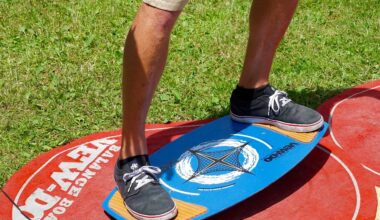
Engaging in a long-term exercise regimen has numerous benefits for older adults beyond just bone density improvement. Regular physical activity enhances muscular strength, stability, and coordination. These improvements are pivotal in combating age-related declines in physical ability. Maintaining functional independence requires addressing these areas to perform daily activities without assistance. Additionally, prolonged adherence to exercise routines is linked to improved cardiovascular health, reducing the risk of heart disease and hypertension. Activities that challenge balance, such as Tai Chi or yoga, significantly enhance stability and coordination, directly reducing fall risks. Furthermore, exercise has positive effects on mental health, promoting mood and reducing symptoms of anxiety and depression common among older adults. The mental stimulation provided by learning new exercises or engaging in cooperative sports also creates a social community. Socialization can be a powerful motivator to keep individuals active in their routines. Still, women, in particular, should remain cautious as they are at a greater risk for osteoporosis due to hormonal changes. Men, too, must not overlook their need for active lifestyles to safeguard their health over time. Seeking support from peers can further enhance adherence to long-term exercise commitments.
The integration of technology into exercise programs can also greatly benefit the aging population. With the rise of fitness apps and wearable devices, older adults can track their progress and stay motivated to achieve their goals. These tools offer reminders, suggest workouts, and even monitor heart rates, providing a sense of accomplishment and improving awareness of fitness levels. Virtual classes tailored towards seniors also offer flexibility, allowing them to exercise from the comfort of their homes. Many communities have adopted online platforms to foster social interaction, ensuring participants can engage with others during sessions. Additionally, the accessibility of video tutorials serves as a resource for proper exercise techniques, enhancing safety during workouts. However, ensuring technology is user-friendly for older adults is crucial; support in setting devices up creates a smoother transition. Safety should always be a priority when participating in online programs. Seniors must understand their capabilities and limitations to minimize risks of injury. Nevertheless, the ultimate aim is to implement a sustainable lifestyle, focusing on long-term cardiovascular and bone health benefits through continued movement. By embracing technology, older adults can cultivate a culture of fitness, wellness, and increased life satisfaction.
Conclusion and Future Recommendations
In conclusion, the positive effects of exercise on bone density in the aging population are substantial and multifaceted. Through consistent, tailored physical activity, older adults can significantly mitigate age-related bone loss and enhance their overall health. Recommendations suggest adopting a multifactorial approach, incorporating weight-bearing exercises, resistance training, and flexibility routines. Collaboration between healthcare providers, fitness experts, and nutritionists will create comprehensive programs addressing individual needs. Further research is necessary to evaluate optimal exercise modalities and intensities for specific populations. Additionally, initiatives aimed at increasing awareness of the importance of bone health through community-based programs could promote engagement among seniors. Educational workshops highlighting safe practices and the benefits of exercise should also be developed. Ultimately, overcoming barriers to exercise participation, such as fear of injury or lack of access, will require tailored solutions. Healthy aging is attainable through a robust commitment to regular exercise and balanced nutrition. Continuous efforts in promoting active lifestyles within communities can lead to healthier, stronger, and more independent older adults. The journey to better bone health starts with the first step, encouraging seniors to prioritize active living for many fruitful years ahead.
This concluding part reflects the significance of maintaining an active lifestyle as individuals age. Exercise should be an integral part of daily life, promoting better health outcomes like bone density, mental well-being, and overall quality of life.