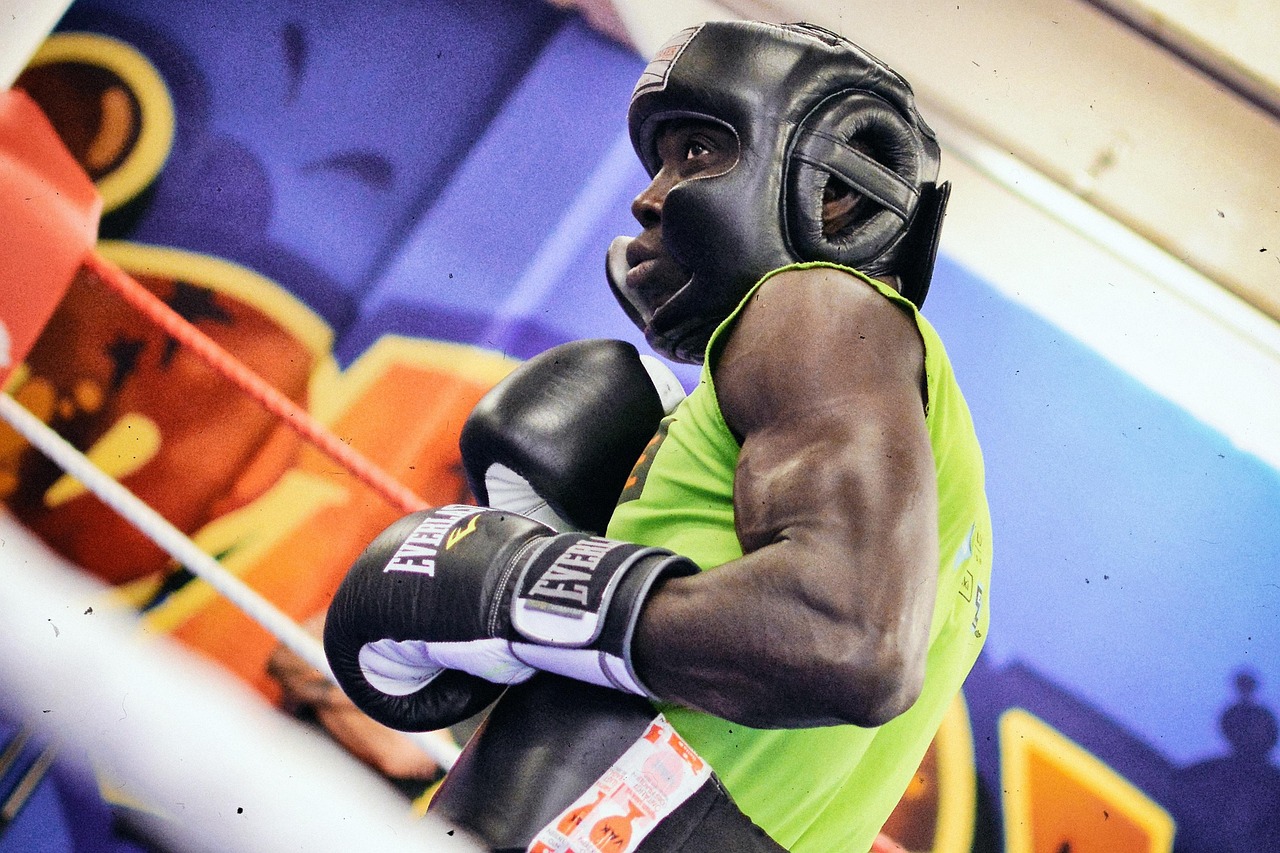

Using Sparring to Enhance Your Boxing Endurance
Boxing is not only about power and technique; it’s also about endurance. One of the most effective ways to boost your boxing endurance is through sparring. Sparring provides real-time experience where boxers can practice combination punches, defensive strategies, and footwork. The intensity of sparring simulates an actual fight, effectively preparing you for competition. Moreover, high-intensity sparring sessions challenge your cardiovascular system, helping to increase stamina over time. Controlled sparring allows you to experiment with your style while improving your reaction speed. However, it’s essential to engage in sparring responsibly to avoid injuries. Emphasizing your breathing during sparring sessions can greatly influence your ability to last longer. Additionally, implementing rest intervals during your sparring rounds is vital; this will help recover your energy and ensure optimal performance. Another key aspect is focusing on techniques; efficiently executing punches and movements can conserve energy. Work out with different partners to adapt to various styles, which adds unpredictability and builds mental strength. Sparring should never be taken lightly, but it is an indispensable component of any rigorous boxing training regimen.
To effectively use sparring for building endurance, pay attention to your training regime. Gradually increase the number of rounds you spar in each session. Start with a few rounds, and as your conditioning improves, incrementally add more rounds. Your focus should be on maintaining a steady pace throughout each round instead of going all out at the start. This strategy ensures that you build endurance steadily without burning out too early. Pair your sparring sessions with other forms of cardiovascular training, such as running or cycling, to extend your endurance foundation. Incorporate interval training into your cardio workouts; alternating between high-intensity bursts and slower recovery periods will translate well into the ring. Nutrition also plays a crucial role in endurance; consuming a balanced diet rich in complex carbohydrates, lean proteins, and healthy fats can fuel your sparring sessions. Maintaining proper hydration is critical; dehydration can significantly hinder performance. Take time to stretch and cool down after sparring to aid your recovery. Remember that improvement takes time, and consistency is key. Always listen to your body to avoid pushing too hard and risking injury.
The Importance of Strategy in Sparring
As you engage in sparring, developing a strategic mindset is essential for enhancing endurance. Implementing various strategies can reduce fatigue, improve your overall sparring experience, and enhance your performance. Start by focusing on your footwork during sparring; mastering footwork allows you to evade strikes while conserving energy. Learning to position yourself effectively can turn the tide of an encounter in your favor. Moreover, use feints and head movement to create openings and prevent direct hits. Practicing these techniques in sparring sessions not only enhances your technical skills but also improves your stamina. Additionally, consciously pacing yourself during sparring will prevent premature exhaustion. Keep a close eye on your opponent’s movements and adapt accordingly, which requires mental acuity as well as physical endurance. Another beneficial strategy is working on combos; mixing up your punch combinations will keep you alert. Rest when necessary but stay active in the ring; remain on your feet to maintain an efficient heart rate. All these strategies will contribute to a better rounded, multi-dimensional boxing skill set and enhance your endurance for future fights.
Incorporating visual tools can sharpen your sparring techniques. Using video analysis after sparring sessions can reveal which areas require improvement. Record yourself sparring with different opponents, and analyze your movements, footwork, and endurance levels. Having both the visual representation and data can identify your strengths and weaknesses. Studies show that boxers who engage in visual learning have better retention of techniques. You’ll notice patterns in your performance; this can significantly impact how you train. Communication with your sparring partner is crucial; discuss each session afterward to dissect what worked and what didn’t. Create specific goals for your sparring sessions – this can focus your training. For instance, you might concentrate on maintaining a high work rate or landing a certain number of effective punches. Progressively adapt your goals as you notice improvements. Also, recognizing your limits is essential; acknowledging when you need a break ensures that you avoid injury and fatigue. Make sure to recover adequately between sparring sessions as well. Ultimately, your sparring experience will evolve, contributing to increased endurance and better overall boxers.
Nurturing Mental Endurance
Boxing requires not only physical endurance but also mental resilience. Sparring exposes you to unpredictable situations, pushing you to think critically under pressure. Developing mental endurance is similar to improving physical stamina; it takes time and discipline. One effective way to bolster mental endurance is through visualization exercises. Before sparring, spend time visualizing successful scenarios where you maintain composure and execute your techniques flawlessly. This mental preparation can enhance your performance during actual sparring sessions. Moreover, maintain a positive mindset throughout your training; staying motivated and dealing with challenges can set up mental toughness. Another method is through mindfulness techniques; being present during sparring allows you to focus better on your breathing and energy levels. Meditation and controlled breathing exercises can help in this area. Regularly reflect on your sparring experiences, capturing key moments that challenged you and what you learned from them. Overcoming fears and pushing through discomfort zones will lead to increased overall endurance in the ring. Each sparring session is a unique opportunity to grow, both physically and mentally, resulting in a more robust boxer.
Your progress in boxing endurance can be measured and tracked over time. Keeping a training log is an excellent way to monitor your sparring sessions. Include various metrics like duration, rounds completed, and techniques practiced. By tracking these details, you’ll see how sparring contributes to your overall fitness and endurance. Reviewing your log regularly can highlight trends and noteworthy improvements. Note your recovery time as well; adequate rest and treatment post-training ensures that your energy for future sparring remains high. Don’t hesitate to alter your routines if you find areas that require more focus. Consider incorporating complementary training modalities, such as strength training or plyometrics; these can lead to increased endurance and sustained stamina. Strengthening muscles used in boxing can prolong your energy during long sparring sessions. Cross-training can also provide freshness to your regular training routine. Collaborating with other athletes or boxing enthusiasts can lead to knowledge sharing. Engaging in a supportive training community allows for motivation and diverse experiences. By recognizing your achievements and setting future goals, you can maintain a positive attitude and commitment to enhancing your boxing endurance.
Conclusion
In conclusion, utilizing sparring as a primary tool to enhance your boxing endurance is immensely beneficial. The strategies highlighted within this article focus on combining both physical and mental components of endurance training. By incorporating structured sparring sessions, developing strategic thinking, and nurturing mental resilience, you can yield improved performance in the ring. Remember that endurance is a journey and does not come overnight. Regular evaluation of your training methods promotes continuous improvement. Emphasizing proper technique while focusing on your conditioning will lead to efficient energy management during bouts. Each sparring match serves not only as practice but a step towards greater fitness levels. Stay disciplined in your approach while remaining open to learning from experiences. Gather feedback from peers and coaches to refine your skill set further. Consistency, perseverance, and strategic planning in your sparring practices will lead to significant gains in both physical welfare and performance proficiency. Overall, a well-rounded sparring regimen is crucial for any serious boxer’s training program, and it is the key factor that separates amateurs from champions.