
Are foam rollers useful for improving mobility?
Foam rollers have gained popularity among athletes and fitness enthusiasts as an effective tool for improving mobility. These cylindrical pieces of foam are used for self-myofascial release, which helps to relieve muscle tightness, promote circulation, and enhance overall flexibility. By using foam rollers regularly, individuals can experience significant benefits for their mobility and range of motion. This technique works by applying pressure to specific muscle groups, helping to release tension and alleviate soreness. Foam rolling can be an essential part of both warm-up and recovery routines, making it a versatile addition to any workout program. To effectively improve mobility, it’s crucial to incorporate foam rolling as part of a comprehensive routine that includes stretching and strengthening exercises. Many people notice improved performance in their workouts after consistently using foam rollers. However, it’s essential to learn the proper techniques to avoid injury and maximize the benefits. Overall, foam rollers are a practical, accessible, and affordable option for anyone looking to enhance their mobility and maintain long-term flexibility in their fitness journey.
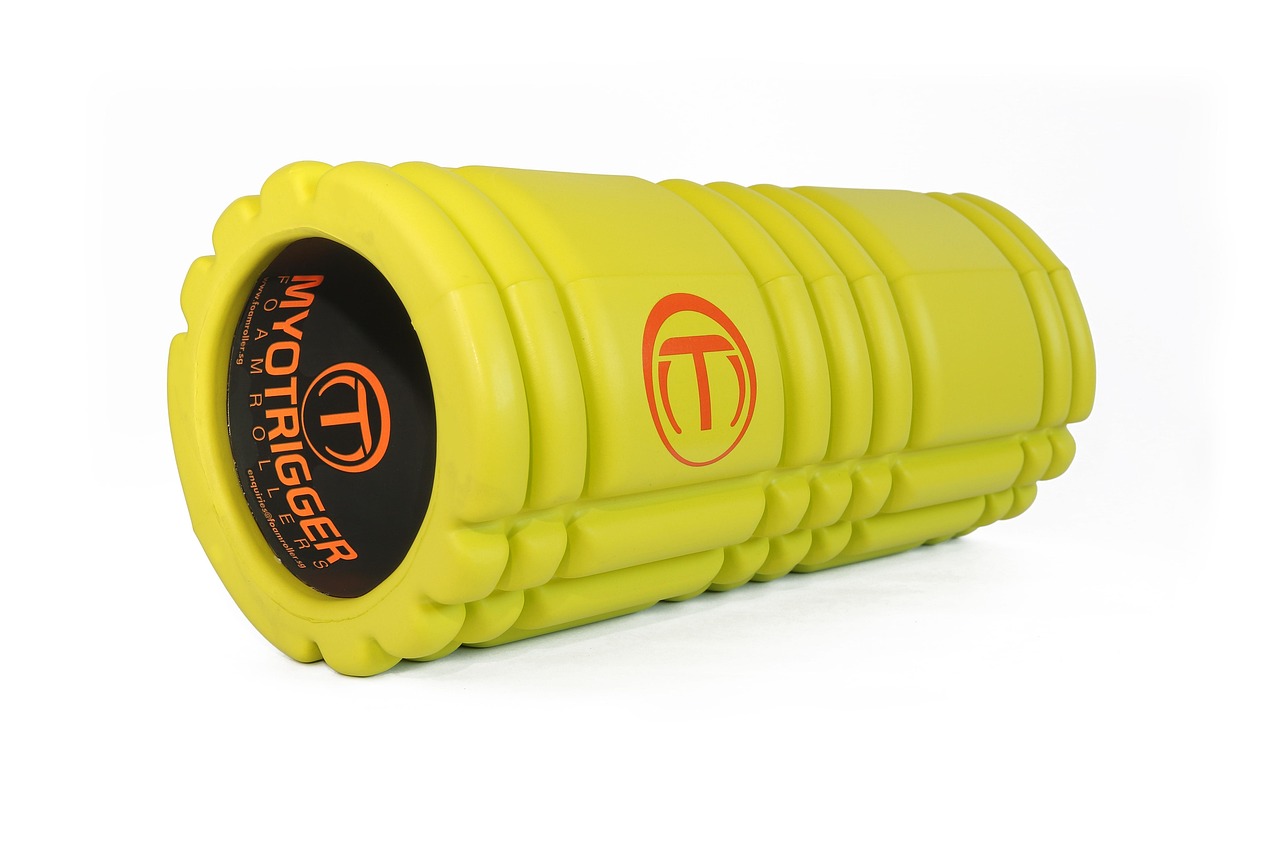
The various types of foam rollers can cater to specific needs, improving the user experience. For instance, density and shape greatly influence the effectiveness of foam rolling sessions. Standard, smooth rollers provide a gentler sensation, suitable for beginners, while textured or high-density types deliver deep tissue stimulation, ideal for seasoned users. Each option possesses unique qualities, making it easier to target certain muscle groups. It is essential to select the right foam roller type that correlates with your personal goals and comfort levels. New users may want to start with softer models and gradually transition to firmer ones as they become comfortable with the process. Besides the density, other factors such as size and length also come into play when choosing the ideal foam roller. For example, long rollers can assist with larger muscle groups while shorter versions might be more suitable for focused areas like the calves and forearms. Using foam rollers effectively will ultimately provide an array of benefits, including increased range of motion, reduced muscle soreness, and enhanced overall mobility for a wide variety of activities, sports, and daily movements.
To effectively incorporate foam rolling into your routine, it’s essential to establish a systematic approach. Start by targeting major muscle groups, such as the quadriceps, hamstrings, calves, and back. Gradually roll over each muscle group, applying controlled pressure and moving slowly to identify tight or painful spots. Each specific area should be rolled for at least 30 to 60 seconds, allowing the muscle fibers to relax. Thus, you can enhance the effectiveness of foam rolling during warm-ups and cool-downs. During warm-ups, focus on promoting blood flow and flexibility before engaging in physical activities. In contrast, after your workout, it is more beneficial to target sore muscles and prevent injuries. Experimenting with various foam rolling techniques will help you discover which methods work best for your body, enabling a more personalized approach to improving mobility. Note that foam rolling should not replace proper stretching techniques and strengthening exercises in your routine. Instead, consider it a complement to these practices that aids in muscle recovery while maintaining overall flexibility, benefiting athletic performance and daily movement quality.
Common Mistakes When Using Foam Rollers
When utilizing foam rollers, individuals may unintentionally engage in practices that diminish their benefits. One common mistake is rolling too quickly, which can overlook essential trigger points and result in ineffective muscle release. Slow, controlled movements allow users to pinpoint areas of tightness effectively. Another issue involves applying excessive pressure, which can lead to discomfort or even bruising. Instead, individuals should concentrate on gradual pressure application and adjust accordingly based on their pain tolerance. Moreover, some users may neglect certain muscle groups altogether, limiting potential benefits for overall mobility. It’s crucial to develop a balanced approach that includes all major muscle groups as well as the smaller, often overlooked ones. Avoid rolling over bony structures, which may cause pain or injury, and always maintain a steady breathing pattern to assist relaxation. Lastly, many people underestimate the importance of consistency when it comes to foam rolling. To truly experience its benefits, establish a regular routine rather than an occasional, sporadic use. By avoiding these common pitfalls, users can maximize their foam rolling experience, ultimately improving mobility and enhancing overall physical performance.
In addition to the physical benefits of foam rolling, psychological aspects can also impact one’s perspective on mobility improvement. Engaging in foam rolling can promote mindfulness, allowing individuals to better connect with their bodies and recognize areas of tension. As one becomes more aware of tight muscles and limitations, it becomes easier to address these issues productively. Furthermore, spending time on a foam roller can serve as a meditative experience, providing an opportunity for focused self-care. Taking the time to actively release tension contributes to an overall sense of well-being and relaxation. To fully embrace these psychological benefits, consider setting aside dedicated time for foam rolling sessions, ideally in a calm environment, where you can concentrate peacefully. Incorporating calming music or ambient sounds can enhance this mindful experience, further promoting a sense of tranquility during your practice. As you experience the combined physical and psychological benefits of foam rolling, you may find yourself more motivated to maintain a consistent routine. This increased motivation can significantly contribute to your overall mobility, making you feel more flexible and at ease in various activities.
Many athletes and fitness enthusiasts often question how often they should use foam rollers as part of their fitness regimen. Generally, it is recommended to perform foam rolling sessions two to three times per week, but this frequency may vary depending on individual needs and goals. Some users may require daily sessions, particularly if they are training intensely or recovering from injuries. After particularly strenuous workouts or activities, it’s beneficial to engage in foam rolling to alleviate soreness and stiffness. Listening to your body is crucial; if you notice persistent tightness or discomfort in certain muscle groups, consider increasing your foam rolling sessions for those areas. Furthermore, the duration of each session plays an essential role in achieving optimal results. Aim for at least 10-15 minutes of comprehensive foam rolling each time, focusing on specific muscle groups strategically. Make time to incorporate foam rolling into your warm-up and cool-down routines, maximizing the mobility and flexibility benefits. By following these general guidelines and adapting them to your unique circumstances, you can successfully utilize foam rollers to enhance your mobility and overall athletic performance.
Conclusion: Embracing Foam Rolling for Enhanced Mobility
In conclusion, foam rollers offer numerous benefits for enhancing mobility, flexibility, and overall physical performance. By incorporating effective foam rolling techniques into your fitness routine, you can improve muscle recovery, reduce soreness, and increase your range of motion. As demonstrated through the points discussed above, it is essential to select the right type of foam roller, avoid common mistakes, and maintain consistency for optimal results. The psychological benefits of foam rolling, including mindfulness and relaxation, further highlight its value as a self-care practice. Embracing this technique can also empower individuals by fostering a deeper connection with their bodies, enabling them to identify and address areas of tension. With commitment and dedication to foam rolling, users will not only experience improvements in their mobility but also cultivate a more balanced approach to fitness and overall well-being. Remember that foam rolling should complement, not replace, stretching and strengthening exercises. Ultimately, it is essential to integrate a well-rounded approach to achieve lasting mobility improvements, ensuring that you can enjoy an active lifestyle for years to come.
As part of a comprehensive fitness plan, foam rollers and mobility practices can work hand in hand to optimize performance. Whether you are an athlete or a casual fitness enthusiast, addressing mobility issues early on can prevent injuries and promote longevity in physical activities. Becoming proficient in various foam rolling techniques can empower individuals to take control of their mobility journey and improve their overall quality of life. Additionally, sharing knowledge about foam rolling with peers or in fitness communities can foster a supportive environment, making it easier to stay motivated and engaged. Explore different foam roller types and techniques to discover a personalized approach that works best for you. As you dive into the world of foam rolling, be open to experimenting and adjusting your methods based on your body’s responses. This foresight will undoubtedly change your mobility game, allowing you to move more freely and confidently in your daily life. With consistent practice and dedication, foam rolling can become a crucial element in maintaining mobility and flexibility, serving your physical health and fitness aspirations well into the future.