
The Importance of Rehabilitation in Sports Medicine
Rehabilitation plays a crucial role in sports medicine, focusing on helping athletes recover from injuries swiftly and efficiently. The process involves tailored programs designed to restore functionality and strength, enabling athletes to return to their respective sports. Sports medicine professionals employ comprehensive evaluations to devise these rehabilitation strategies, considering the nature and severity of the injury. Understanding the biological mechanics of the body allows healthcare providers to identify specific rehabilitation goals. The journey typically incorporates various components including physical therapy, strength training, and mental conditioning to enhance both physical and psychological recovery. Each phase of rehabilitation focuses on specific objectives, ensuring that athletes regain movement without risking re-injury. Collaboration among physiotherapists, medical doctors, and trainers is essential to develop a well-rounded approach. This interdisciplinary teamwork enhances recovery outcomes and promotes long-term athletic performance. Additionally, adherence to rehabilitation programs can significantly reduce the risk of future injuries, ultimately impacting an athlete’s career and longevity in their sport. Holistic treatment plans are vital since they prepare the body for the unexpected demands of competitive sports, highlighting the importance of proper rehabilitation.
Components of Effective Rehabilitation
Effective rehabilitation in sports medicine encompasses various essential components that facilitate recovery and performance enhancement. Initially, a comprehensive assessment is vital for establishing a baseline condition, identifying limitations, and setting recovery goals. Physical therapy exercises are fundamental in restoring range of motion and strength, enabling injured athletes to resume activities faster. Additionally, modalities like ultrasound, electrical stimulation, and cryotherapy aid in pain management and swelling reduction, expediting the healing process. Another aspect involves proprioceptive training which enhances balance and coordination, pivotal for athletes returning to high-intensity environments. Psychological support also plays a significant role, as mental resilience often influences recovery speed; motivational counseling can encourage adherence to prescribed rehab programs. Moreover, nutrition is crucial for facilitating tissue healing and optimizing energy levels. Registered dieticians can provide tailored meal plans to meet these specific needs. As athletes progress through rehabilitation, regular evaluations become necessary to modify the treatment plans, ensuring they are effective and challenging. Ultimately, a well-structured rehabilitation program not only addresses physical healing but also prepares athletes for re-entry into competition effectively, making it indispensable in sports medicine.
In sports medicine, the multidisciplinary approach to rehabilitation emphasizes collaboration among various professionals. This teamwork includes not only physical therapists and sports doctors but also athletic trainers, nutritionists, and psychologists. Such diversity ensures that all aspects of an athlete’s recovery are considered. Effective communication among these professionals is essential for establishing comprehensive rehabilitation plans tailored to individual needs. Regular team meetings to discuss progress and challenges that athletes face can significantly enhance the rehabilitation process. The integration of technology, such as telehealth consultation, has added another layer of support that athletes can rely on during their recovery. Digital platforms allow professionals to check progress, suggest modifications in real-time, and provide encouragement remotely. Such consistent monitoring can prevent athletes from feeling isolated during extensive recovery periods. Furthermore, the emotional and mental well-being of the athlete often impacts their physical recovery; therefore, including psychologists in the rehabilitation team is advantageous. Mental strategies, visualization techniques, and stress management practices can considerably aid in overcoming the psychological obstacles associated with returning after injury. In conclusion, collaboration among specialists underlines the rehabilitation process’s complexity and effectiveness.
Physical Therapy’s Role in Recovery
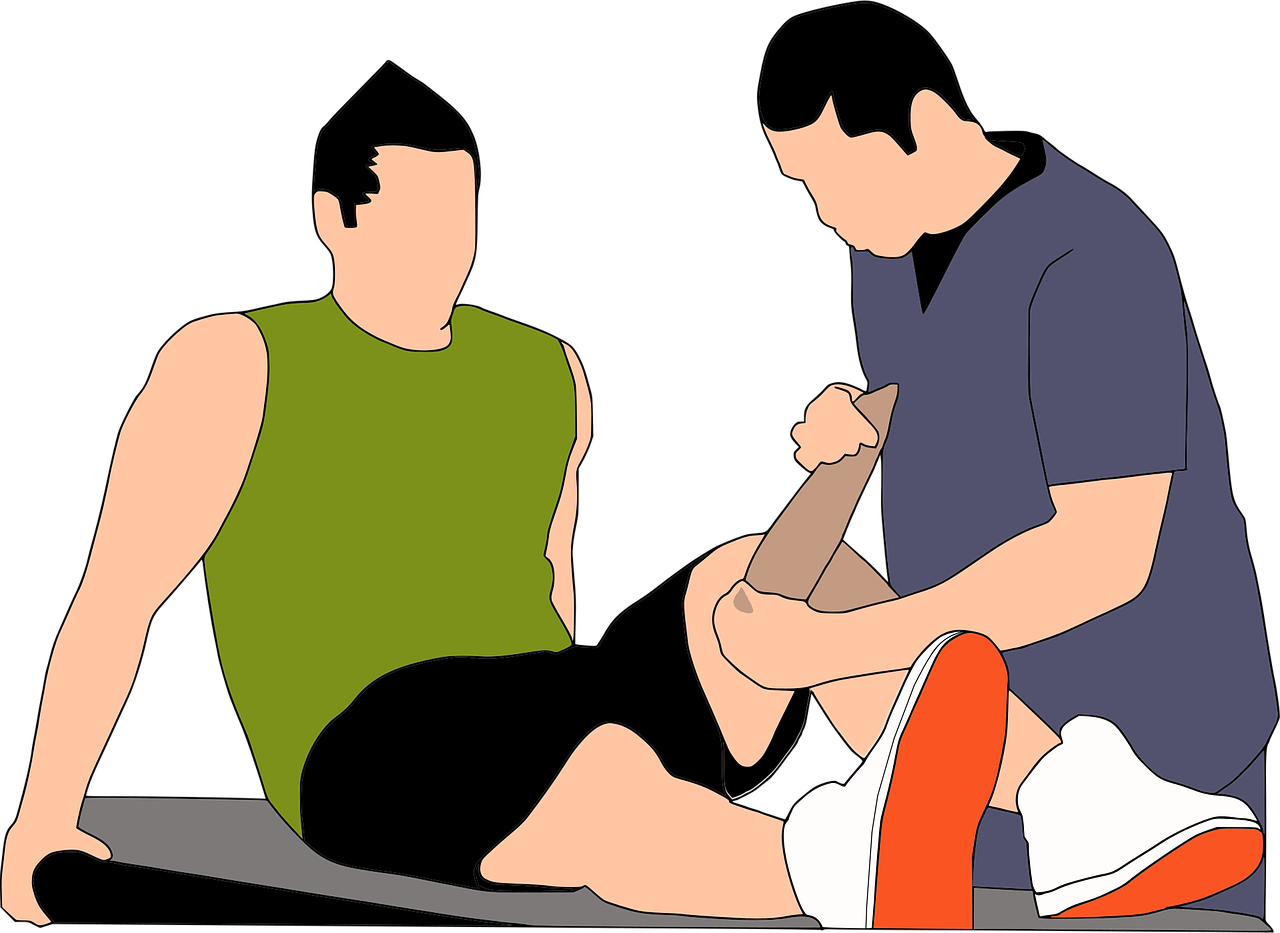
Physical therapy serves as a cornerstone in the rehabilitation process within sports medicine, providing athletes with specialized care that maximizes their recovery potential. Most rehabilitation programs begin with a physical therapy evaluation, which assesses the injury’s severity and its impact on movement. Based on this evaluation, tailored exercises are prescribed to promote healing, restore strength, and improve flexibility. Therapists employ various techniques, including manual therapy, modalities such as heat or ice, and therapeutic exercises to ensure optimal recovery. Continued hands-on care also helps alleviate pain and allows the therapist to adjust treatment plans as the athlete progresses. Regular sessions foster close relationships between the athlete and the therapist, encouraging communication regarding physical sensations and emotional well-being. Through targeted exercises, athletes learn essential skills for managing their conditions effectively, such as modifying activities and maintaining fitness during recovery. Another critical component includes educating athletes about injury prevention strategies. By understanding their biomechanics, athletes can reduce the frequency of injuries in the future, highlighting the vital role that physical therapists play in their long-term health and performance.
Strength training is another fundamental aspect of rehabilitation in sports medicine. Implementing a focused strength conditioning program enables athletes to regain muscle mass and functional strength after an injury. Such training not only facilitates a return to sport-specific activities but also enhances overall athletic performance. After an athlete demonstrates adequate mobility and pain-free movement, strength training can begin. Collaborating closely with physical therapists ensures a smooth transition from rehabilitation to strength training. This collaboration results in individualized exercise regimes that cater to the athlete’s unique requirements and sport demands. Progressive overload principles guide the development of these programs, enabling gradual advancement in resistance levels while monitoring the athlete’s response. Moreover, utilizing cutting-edge techniques such as resistance bands, free weights, or bodyweight exercises adds variety while preventing monotony in recovery routines. Educating athletes about proper lifting techniques and body mechanics also forms a core element of strength training during rehabilitation. This education not only aids recovery but also reduces the likelihood of re-injury after achieving a full return to sport. Thus, strength training is essential, ensuring long-term health and performance sustainability.
The Psychological Aspects of Recovery
Acknowledging the psychological components of rehabilitation is essential in sports medicine due to the significant impact mental health can have on recovery outcomes. Many athletes face emotional challenges such as anxiety, depression, and fear of re-injury when transitioning back to their rigorous athletic activities. Implementing psychological strategies within rehab programs helps address these issues, promoting a positive mindset. Visualization techniques enable athletes to mentally rehearse their performance, fostering confidence and reducing anxiety. Additionally, goal setting provides athletes with tangible milestones to work towards, enhancing motivation during recovery phases. Accessibility to sports psychologists offers personalized support to help manage stress and develop coping strategies, benefiting athletes’ mental health. Group therapy sessions encourage shared experiences, allowing athletes to feel less isolated in their journeys, building camaraderie within teams. Furthermore, sports psychologists can design resilience training to help athletes navigate potential setbacks successfully. Developing mental toughness remains necessary for athletes aiming to return to competitive environments. Ultimately, addressing psychological aspects significantly contributes to a holistic recovery approach that enhances cardiovascular fitness, muscle strength, and mental well-being, creating balance necessary for achieving athletic excellence.
Long-term effects of comprehensive rehabilitation extend beyond the immediate recovery phase, significantly impacting athletes’ careers and lifestyles. Engaging in a structured recovery program helps establish healthy habits and enhances future performance outcomes. Athletes often learn the importance of listening to their bodies and recognizing the signs of fatigue or impending injuries due to rehabilitation experiences. With proper guidance, athletes develop skills to modify their training loads and prioritize their health. Moreover, established routines incorporating regular strength and flexibility training become a lifestyle change that promotes longevity in sports. This proactive approach protects them against re-injury, allowing athletes to maximize their performance potential. Furthermore, the knowledge gained throughout rehabilitation empowers athletes to advocate for themselves, ensuring they receive appropriate care in the future. Coaches and support staff also benefit from understanding the intricacies of athletes’ rehabilitation needs, leading to improved training methodologies. These benefits create an ultimate win-win situation for everyone involved. Adequate emphasis on rehabilitation can foster a healthier sports culture that prioritizes athletes’ overall well-being and performance rather than mere competition-driven agendas.
Conclusion
In conclusion, rehabilitation is indispensable in sports medicine, encompassing multifaceted approaches that ensure effective recovery and optimal athletic performance. A comprehensive rehabilitation plan tailors physical therapy, strength training, and psychological support to address athletes’ needs holistically. Notably, multidisciplinary cooperation fosters a supportive system that maximizes recovery potential and reduces time lost to injuries. Athletes gain valuable insights into their physical limitations and learn strategies to prevent future issues. This education proves essential in helping them navigate the pressures of competitive sports. Emphasizing the importance of adhering to rehabilitation protocols can significantly impact an athlete’s career longevity and performance output in sports. With advancing technologies and research, rehabilitation practices will continually evolve to address athletes’ diverse needs effectively. Athletes must prioritize their well-being during their recovery timelines and embrace rehabilitation as an integral part of their sports journey. Likewise, sports organizations should prioritize rehabilitation initiatives to create environments where athletes can thrive rather than simply survive injuries. Ultimately, effective rehabilitation not only fosters recovery but cultivates a culture of health, resilience, and athletic excellence that benefits all players in the sporting world.