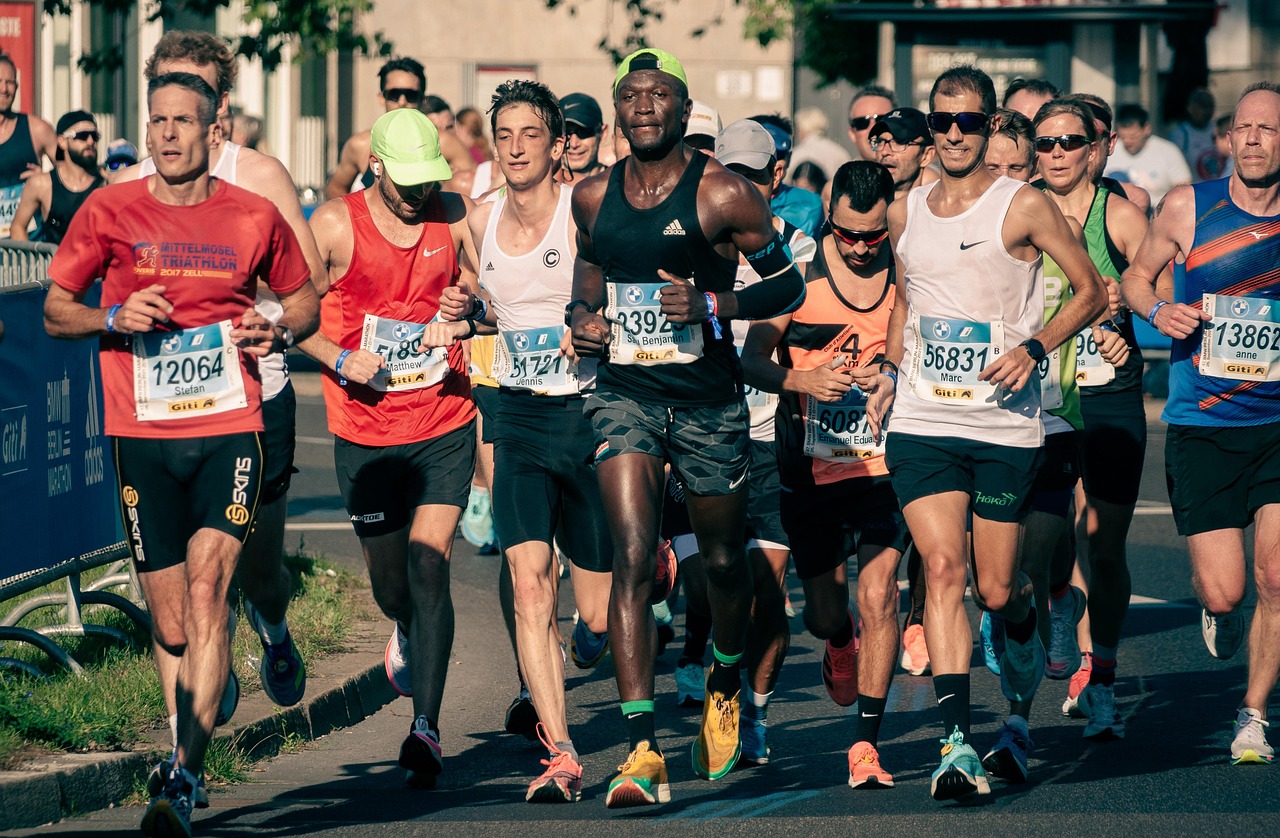

Benefits of Group Training for Marathon Endurance
Group training for marathon runners offers numerous advantages that can enhance endurance and overall performance. Within a social training environment, participants motivate each other, creating a dynamic that often leads to exceeding personal limits. Working collectively fosters accountability, encouraging runners to attend sessions regularly, thus promoting consistent training without the feeling of solitude. Furthermore, diverse paces within a group allow for tailored workouts that suit individual needs while also offering opportunities for faster runners to help those who may struggle. Another compelling benefit of group training is the wealth of knowledge shared among members. Experienced runners provide insights on techniques and strategies, contributing to skill improvement and reducing the risk of injury. Regular interactions with peers create a strong sense of camaraderie, making long runs enjoyable. Runners often find that the shared experiences forge lasting friendships, which provides a support network during training and races. This sense of belonging can significantly impact mental toughness, crucial for long-distance running. Ultimately, group training is a fantastic approach for building endurance, enhancing motivation, and preparing both physically and mentally for a marathon challenge.
Additionally, group training presents the opportunity to experience varied workouts, keeping routines fresh and engaging. Coaches or group leaders often introduce new drills involving intervals, hill training, or tempo runs, breaking the monotony of traditional solo training. New elements challenge runners’ abilities, pushing them beyond comfort zones, which is key to improvement. Moreover, workouts set within a group context can often present safer environments for runners. Training on roadway sections or trails shared among others can reduce risks associated with running alone, especially during evening or early morning hours. The camaraderie also assists in creating safer routes and encourages discussions about the most appropriate places to train. Nutrition strategies are often discussed in groups, where athletes exchange tips on meals, hydration, and recovery. This shared knowledge assists in establishing effective nutritional habits that can lead toward successful competition. Additionally, various group members may have different expertise, contributing to comprehensive group learning about hydration, fueling strategies, and recovery best practices. All of these elements combined help to strengthen not just endurance but overall performance, benefiting each individual in countless ways leading up to race day.
Boosting Motivation through Community Support
Motivation plays a crucial role when it comes to training for marathons, and group training enhances this aspect significantly. The collective energy of group workouts ignites a competitive spirit that drives everyone to strive harder. Seeing fellow runners accomplish their goals can inspire personal advancement. The mutual encouragement found within a team creates an atmosphere where participants feel comfortable pushing beyond their limits. Group dynamics foster positive reinforcement. Complimenting each other’s progress can elevate each runner’s experience. Joining running groups can also reduce pre-race anxiety. Runners can share nerves about upcoming events, offering support and guidance to each other. Engaging in group strategies, like developing race plans, ensures participants maintain focus before and during the event. Additionally, training together builds trust among teammates, enabling them to understand each other’s strengths and weaknesses. This solidarity may shine through when leading runs at a comfortable pace or providing support during tougher sessions. Celebrating team achievements reinforces bonds among group members while continuously motivating everyone. With such a robust support system, runners are less likely to encounter burnout. They remain engaged throughout the training cycle, leading to improved performance during the marathon.
Building resilience is another essential aspect of marathon training that group settings promote effectively. Experiencing different training elements within a team context helps runners mentally prepare for the challenges of a marathon. When runners face adversity, such as fatigue or discomfort, the support they receive can encourage them to push through these moments. As athletes share their struggles and triumphs, they learn to navigate the physical and emotional demands of long-distance running. Participating in group sessions creates a space for discussing these challenges openly, fostering resilience within each individual. Moreover, learning how to encourage others bolsters personal development; uplifting teammates enables runners to cultivate their leadership skills over time. Further, training together fosters collective growth as each member contributes to the team’s success. Additionally, group activities encourage trust-building, ensuring that participants feel comfortable relying on one another. This extends to longer race days, too, when runners plan their pacing and hydration strategies together. Moreover, practicing teamwork during training transitions to races, allowing individuals to race alongside their friends. By building resilience within a supportive group environment, marathon runners are better equipped to face the various physical and mental hurdles in races.
Enhanced Recovery through Shared Experiences
Group training also emphasizes the importance of recovery, an often-overlooked element in marathon preparation. After strenuous workouts, runners gather to share stretching tips, nutritional advice, and insights on effective recovery practices. Discussing post-workout feelings allows participants to express concerns and challenges, fostering a community where recovery methods can be fine-tuned collectively. Commonly shared experiences about fatigue and soreness enable runners to relate to each other, easing the mental burden that may accompany intense training. Moreover, having a running group can facilitate scheduled recovery sessions. For instance, post-runs may include group yoga or light jogs, enhancing overall healing. These collective efforts reinforce the idea that recovery is as vital as the workouts themselves. Runners can learn about incorporating rest days strategically into their training schedules, ensuring comprehensive progress while avoiding injuries. By participating in team-based recovery strategies, runners are held accountable for taking care of both their physical and mental health. In sum, embracing a group approach during training provides access to an invaluable pool of collective wisdom on recovery, ensuring that each runner understands the significance of this essential aspect of endurance building.
In conclusion, the benefits of group training for marathon endurance are numerous and far-reaching. The shared motivation and accountability found within a team create an environment that cultivates personal growth and improvement. Through supportive interactions, group members regularly push each other toward advancement, transforming their training experiences into shared triumphs. Over time, such bonds foster lasting friendships, enriching both training and race day experiences. The diverse paces and workout modalities ensure that every participant finds value within their training schedule, spurring individual progress. Furthermore, group dynamics encourage healthy discussions surrounding nutrition, recovery, and mental toughness, equipping young athletes with essential tools for future success. With encouragement in the face of adversity and relatable experiences shared, runners become better equipped to navigate marathon challenges. Additionally, the sense of community cultivated in group training helps alleviate pre-race nerves, promoting confidence and readiness. Ultimately, group training encapsulates the essence of endurance building for marathon runners. It builds resilience, enhances motivation, and offers invaluable social support; therefore, it’s undoubtedly a powerful method to achieve marathon goals successfully, both personally and collectively.
To further emphasize the importance of finding a suitable group, runners should consider their compatibility with a team’s culture and dynamics. Some prefer high-energy, competitive environments, while others seek an encouraging and casual atmosphere. This choice significantly influences the overall training experience. Runners can participate in trial sessions with various groups to assess alignment with their specific training goals and preferred pace. It’s also important to identify groups with experienced coaches or leaders who can provide guidance throughout the training cycle. A knowledgeable leader can adapt workouts to various skill levels, ensuring that the training remains effective and safe for everyone involved. Communication is vital in group settings; runners should feel comfortable sharing their struggles, limitations, and aspirations. Open dialogues among groups promote trust and collective growth, which are necessary components of successful training. Whether local running clubs or larger organizations, finding the right fit enhances the possibility of achieving marathon goals. As runners engage in group training while focusing on endurance, richness of experience extends beyond workouts into friendships that last a lifetime amid the pursuit of common goals.
The Future of Marathon Training: Embracing Group Culture
As the world of running continues to evolve, the trend toward group training remains strong among marathoners. Collaborative training environments not only increase performance but also address mental health challenges many runners encounter. As awareness about the benefits of group training expands, more athletes explore team-based approaches to achieving their goals. Embracing the social aspect of running reduces feelings of isolation while making training enjoyable and rewarding. With technological innovations like virtual running groups, runners can now experience community across vast distances. Online forums help connect runners, allowing them to share training tips, recovery strategies, and motivational boosts, extending the benefits of group culture to those who may not have access to physical teams. Future research into the advantages of group training could pave the way for even more tailored strategies that cater specifically to marathon runners’ needs. As runners increasingly understand the significance of endurance building within a supportive network, the focus on camaraderie, motivation, and shared experiences will continue shaping the landscape of marathon training. Joining forces through group training promises an exciting future for marathon participants.