
Building Endurance with a Vegan Diet: Key Nutritional Tips
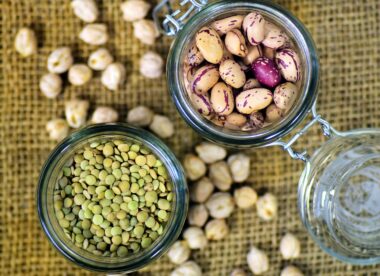
For athletes who have chosen a vegan diet, understanding specific nutritional needs is crucial for optimizing performance and endurance. To fuel an active body, it’s essential to consume a varied diet rich in essential nutrients. This can be challenging without animal products, but with proper planning, vegan athletes can meet their unique energy and macronutrient needs. Focus on incorporating a variety of plant-based foods including whole grains, legumes, nuts, seeds, fruits, and vegetables. Each of these food groups offers unique health benefits and helps in achieving a balanced intake. For example, legumes such as lentils and chickpeas are excellent sources of protein and fiber, essential for muscle recovery and sustained energy. Whole grains like quinoa, brown rice, and oats provide complex carbohydrates that are invaluable for endurance. Vegan athletes often need to pay attention to protein intake, ensuring it meets their training requirements, as plant-based proteins can be lower in certain amino acids. Combining various protein sources can help achieve a complete amino acid profile essential for muscle growth and repair. A strategic approach to nutrition helps maximize athletic potential.
Key Nutrients for Vegan Athletes
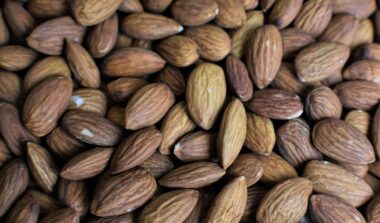
Key nutrients crucial for vegan athletes include protein, iron, calcium, omega-3 fatty acids, and vitamin B12. To support muscle repair and growth, one must ensure adequate protein intake from diverse sources such as quinoa, hemp seeds, tempeh, and edamame. Iron is vital for oxygen transport and energy metabolism, prevalent in beans, lentils, and fortified cereals. Pairing iron-rich foods with vitamin C sources, like citrus fruits, enhances absorption. Calcium, necessary for strong bones and muscle function, can be obtained from tofu, almonds, and leafy greens. Omega-3 fatty acids are essential for reducing inflammation and promoting heart health. Vegan sources include chia seeds, flaxseeds, and walnuts. Vitamin B12 is important for energy levels and nerve function but is often lacking in vegan diets. Therefore, supplementation or consuming fortified plant-based milk is recommended. Monitoring these nutrients ensures that vegan athletes maintain performance while promoting overall health. For those embracing a plant-based lifestyle, a well-rounded diet composed of ample nutrients is the cornerstone of athletic success. Organizations provide guides and resources tailored for athletes transitioning to veganism.
Another significant aspect of a vegan diet for athletes is meal timing. Consuming nutrients strategically around training sessions can enhance performance and recovery. Pre-training meals should focus on carbohydrate intake to fuel workouts. Foods such as bananas, rice cakes, or oatmeal provide immediate sources of energy. After workouts, it’s essential to consume a balanced meal or snack that includes protein and carbohydrates to support muscle recovery and replenish glycogen stores. Options like a smoothie with a banana, spinach, and plant protein powder can be effective. Hydration also plays a crucial role in performance, so athletes should prioritize water intake throughout their training regimen. Adding electrolytes to beverages during intense sessions can also help maintain balance. A dedicated meal plan that considers these factors can ensure that energy levels and recovery times are optimized. Monitoring one’s energy levels and recovery is vital to adjusting nutrition strategies accordingly. Engaging with a sports dietitian can provide personalized advice tailored to individual goals. Understanding the intricacies of nutrition allows vegan athletes to thrive and reach their fitness aspirations.
Incorporating Supplements Wisely
In addition to obtaining nutrients through foods, many vegan athletes consider supplements to fill gaps in their nutrition. Plant-based protein powders can be beneficial for post-workout recovery when whole food sources don’t fit into the schedule. They offer convenience and quick absorption, aiding in muscle repair. Supplements like creatine may also help boost performance, particularly in high-intensity training. Additionally, omega-3 supplements from algae oil provide a vegan-friendly alternative for maintaining heart health without sacrificing dietary values. For those at high risk of deficiency, a B12 supplement is essential to ensure proper energy metabolism in athletes. Depending on the individual lifestyle, considering these factors can prevent negative effects on performance due to dietary limitations. It’s imperative that athletes consult with a healthcare professional or dietitian before starting any supplements to ensure they suit their specific requirements. Each athlete’s demands are unique, and customizing supplementation in alignment with training can enhance health outcomes. Knowledge about supplements can empower athletes, equipping them with tools to complement their nutrition strategy effectively.
The psychological aspect of nutrition for vegan athletes should not be underestimated. Transitioning to a vegan lifestyle can come with mental and emotional challenges, especially in competitive environments that often emphasize traditional dietary norms. Support systems, whether from friends, family, or fellow athletes, can significantly ease this transition. Finding a community can bolster motivation and reinforce healthy eating habits. Compiling recipe ideas, meal prep strategies, and nutrition tips in a group setting may foster positive connections and share valuable experiences. Learning more about plant-based nutrition through workshops or online resources can also provide insights and reinforce commitment. Many athletes have dispelled myths surrounding veganism while sharing their success stories, demonstrating that performance can thrive on a plant-based diet. Keeping oneself informed about the latest research and developments in vegan nutrition can help athletes maintain confidence and adapt as needed. Additionally, using social media platforms to connect with other vegan athletes can offer inspiration, exposing individuals to new food combinations and preparation techniques. Through shared experiences and resources, athletes can overcome challenges and build a strong, supportive network.
Sample Meal Plan for Vegan Athletes
A sample meal plan can serve as a guide for vegan athletes seeking nutritional balance. Breakfast could be oatmeal topped with fruits and nuts, providing great energy for morning workouts. Lunch might consist of a chickpea salad with spinach, quinoa, and a tahini dressing, packed with protein and healthy fats. Snacking on fruit, such as apples with almond butter, can sustain energy through the day. For dinner, a stir-fry with tofu, broccoli, and brown rice may offer a balanced blend of macronutrients. Each meal should promote a blend of carbohydrates, protein, and fats to aid in peak performance. Moreover, hydration shouldn’t be neglected; infusing water with cucumber and mint can offer refreshing alternatives. A dessert option of vegan protein bars can satisfy sweet cravings while aligning with dietary needs. Cooking in batches can simplify meal prep and ensure that balanced meals are always available. Exploring recipes from various cuisines can add diversity and excitement to meals. Adapting meal plans based on training intensity and goals will provide ongoing benefits to performance.
Finally, experimenting with different foods and recipes can lead to discovering preferences that support a vegan lifestyle. Familiarizing oneself with a variety of plant-based ingredients can open opportunities for creativity in meal preparation. Trying diverse cuisines can also provide numerous flavors and textures that keep diets engaging. Utilizing ingredients such as lentils, seed mixes, exotic grains, and various plant-based dairy options can lead to discovery of exciting new meals. One idea is to create a themed dinner night where various cultural vegan dishes are highlighted. Using spices creatively can enhance flavors, making meals enjoyable and appealing. Social interactions during meals can also enhance the eating experience, allowing for shared enjoyment of nutritious foods. Trying new restaurants that focus on vegan options can inspire further changes in home cooking. Often, local communities may host vegan fairs or cooking classes that can share valuable information and connect individuals with others who share similar dietary goals. Inspiration from collective experiences can help foster a deeper understanding of how nutrition influences performance, health, and well-being.
Implementing a vegan diet can be a profound journey for athletes willing to embrace it. Not only does it involve a shift in food choices, it often requires a reassessment of lifestyle priorities. By prioritizing whole, plant-based foods, athletes can achieve their endurance and performance goals. It’s essential to educate oneself while remaining adaptable to continuously enhance dietary strategies. Regularly reflecting on one’s energy levels, recovery, and overall well-being will contribute to nutrient planning. Prioritizing variety and balance in meals allows for meeting individual needs. Engaging in productive conversations about nutrition with coaches, fellow athletes, and professionals can yield insights into optimizing one’s diet. Setting achievable goals within the scope of veganism, alongside enjoying the journey of discovering new foods and recipes, can make this an enjoyable lifestyle choice. Balancing personal values with nutritional needs will contribute to long-term adherence. Overall, vegan athletes can excel and thrive by focusing on nutrition, recovery strategies, and support systems. A mindful approach to diet can create a fulfilling pathway towards becoming an exceptional athlete, driven by passion and nourishment.