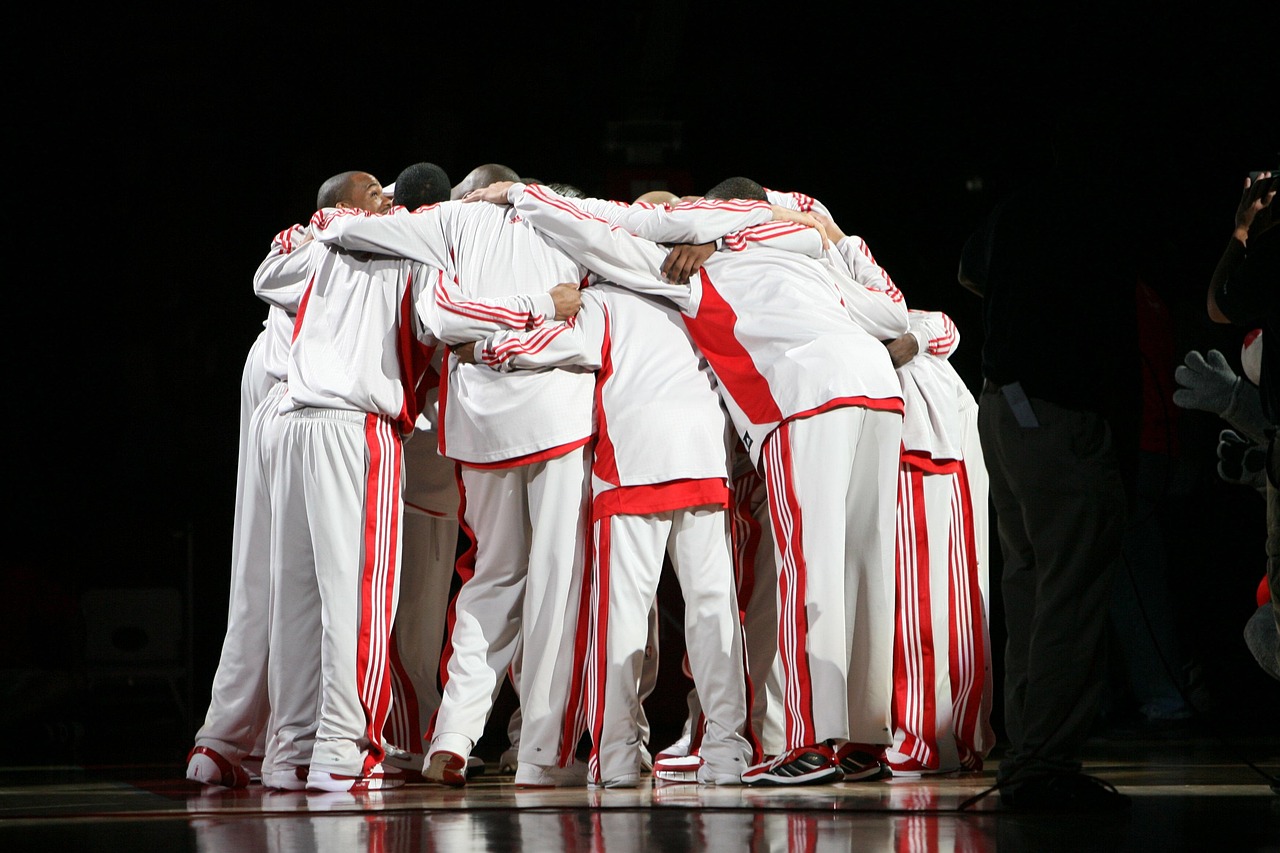

Evaluating the Effects of Motivational Speeches on Team Performance
Motivational speeches play a critical role in enhancing team performance across various sports. These speeches are designed to inspire and energize athletes, boosting their morale just before competition. A well-crafted motivational speech can elevate feelings of self-worth and confidence among team members. Coaches and sports psychologists use these speeches as a tool to create a shared vision within teams. Research suggests that when athletes feel emotionally connected and motivated, their individual and collective performance improves. As the players become more focused and passionate, their ability to tackle challenges increases. The emotional element introduced by the motivational aspect is crucial as it taps into innate desires to excel and showcase skills. Furthermore, motivational speeches generate a sense of urgency, prompting teams to act decisively. Within sports psychology, understanding how these speeches impact players is vital. Evaluating the effectiveness of different approaches helps in structuring future motivational methods for sports teams. In this analysis, we will examine various successful instances where motivational speeches transformed team dynamics and contributed significantly to on-field performances. This exploration also highlights how effective communication influences success in competitive sports environments.
The Psychological Underpinning of Motivation in Sports
Motivation arises from various psychological factors that propel athletes to strive for excellence. It manifests as intrinsic or extrinsic motivation, where the former is driven by personal satisfaction and the latter by external rewards. Coaches leverage both types to enhance performance. Intrinsic motivation stimulates athletes to engage in their sport for pure enjoyment, while extrinsic motivators include factors like awards, recognition, or team success. Understanding the interplay of these motivations helps in tailoring effective motivational speeches. By identifying what drives each athlete, coaches can craft messages that resonate deeply. These targeted speeches promote self-efficacy and cultivate a positive mindset. A sense of belonging within a team also acts as a motivator, enhancing performance through collective support. Notably, the psychological empowerment derived from motivational speeches fosters resilience and persistence among athletes. Such empowerment is crucial, especially when facing adversities during competitions. Teams that capitalize on mutual encouragement tend to achieve better outcomes. Ultimately, recognizing and harnessing these psychological dimensions guides coaches in delivering speeches that inspire action and drive performance improvement within sports teams, resulting in remarkable achievements on and off the field.
Coaches often employ storytelling techniques in motivational speeches to make messages more relatable and impactful. Utilizing anecdotes from past successes or examples of overcoming adversity can create an emotional connection with athletes. This storytelling not only engages players but also instills a profound sense of hope and determination. Players are reminded of their capabilities and how they can apply those lessons in their own journeys. Through effective narratives, coaches can emphasize key values such as teamwork, perseverance, and discipline. Additionally, incorporating personal experiences adds authenticity to the speech, further enhancing its persuasive power. The psychological response to these narratives can lead to a stronger commitment to the team and its goals. Research indicates that athletes who resonate with inspiring stories show increased levels of motivation and enthusiasm. Furthermore, such emotional responses trigger the release of neurotransmitters that improve mood and focus. These physiological changes complement the psychological impacts, solidifying overall performance enhancement. As coaches choose suitable stories for their motivational speeches, they craft an environment conducive to success that promotes both personal and team growth. This blend of storytelling and motivation in sports reveals its significant role in shaping athletes’ performance and mindset.
Many successful sports events showcase the effectiveness of motivational speeches in pivotal moments. For instance, during the Super Bowl, most coaches utilize pre-game speeches to ignite passion among players, reinforcing their commitment to win. These speeches typically culminate in calls to action that drive athletes to embrace their roles. The atmosphere created in these moments is charged with energy that can significantly influence the game’s outcome. Historical examples highlight that teams often rally together, overcoming obstacles through powerful words before the match begins. Beyond just game day, consistent motivational communication fosters long-term engagement from athletes. Ongoing encouragement reinforces their commitment to improvement and collaboration within the team. Moreover, when teams celebrate victories or handle defeats, these speeches serve as reflection points that boost morale and solidify team bonds. This perspective is vital in fostering a resilient mentality that thrives under pressure and expectation. During training sessions, coaches who consistently infuse motivational elements can shape athletes’ attitudes, leading them towards collective success over time. In evaluating team performance, it becomes evident that motivational speeches are not merely about immediate results but contribute to sustained psychological health across seasons.
Strategies for Crafting Effective Motivational Speeches
Creating impactful motivational speeches requires careful planning and consideration of the audience’s unique needs. First, a clear understanding of the team’s values, culture, and objectives is essential. Coaches must identify the key messages they want to convey, focusing on both inspiration and practical advice. It is crucial to strike a balance between empathy and encouragement. Including meaningful quotes or powerful phrases can make the speech resonate, instilling a sense of purpose among athletes. Additionally, the use of vocal variety and appropriate body language can enhance delivery and strengthen emotional connections. Engaging athletes through direct questions can create a dialogue, promoting reflection and discussion. By involving team members in the motivational process, they develop a greater sense of ownership and commitment to the message. Visual aids, such as video clips or symbolic imagery, can also bolster impact by appealing to different learning styles. Incorporating these elements can lead to greater receptiveness to motivational concepts. Lastly, speeches should be concise and memorable, enabling athletes to recall key points during intense moments on the field. Thus, crafting effective motivational speeches involves multiple strategies tailored to the team’s specific dynamics and needs.
Evaluating the success of motivational speeches relies on observing athletes’ performance metrics and psychological states post-delivery. Coaches should employ consistent feedback mechanisms, such as surveys or informal discussions, to gather insights from players. Monitoring changes in team dynamics can also provide valuable data regarding the speeches’ effectiveness. Observing aspects such as teamwork, communication patterns, and individual commitment helps in assessing how motivational speeches resonate. Additionally, measuring performance indicators, such as win-loss records or personal bests, can illustrate the tangible effects of motivational speeches on outcomes. Coaches may also want to consider the immediacy of impact, distinguishing short-term gains from sustained motivation over time. Emotional responses following motivational speeches can also be evaluated through psychological assessments or observations during practices and matches. Understanding what elements of the speeches had the most significant effect allows for continual improvement in speech delivery and content. This iterative feedback loop is essential for refining motivational strategies to meet athletes’ evolving needs. Therefore, effective evaluation forms a core component of maximizing the benefits derived from motivational speeches while enhancing team performance within the competitive landscape.
In conclusion, motivational speeches significantly influence team performance in sports by fostering a sense of purpose and commitment among athletes. The psychological dimensions of motivation highlight its multifaceted nature, spanning intrinsic and extrinsic factors. Coaches who capitalize on storytelling techniques and tailored messaging can effectively inspire their teams to overcome challenges and strive for excellence. Observations from high-stakes events underscore the potential of these speeches to elevate performance during critical moments, creating lasting impacts beyond immediate outcomes. The strategies for crafting effective motivational speeches must be carefully considered to align with the team’s dynamics, ensuring resonance and engagement from athletes. Subsequently, ongoing evaluation and feedback mechanisms facilitate the optimization of motivational methods, allowing coaches to refine their approaches. As sports psychology continues to evolve, the role of motivational speeches will remain paramount in shaping athletes’ mindsets and enhancing overall team performance. Ultimately, investing in motivational strategies can yield remarkable transformations in both individual and team capabilities, setting the stage for unparalleled athletic achievements in the future.