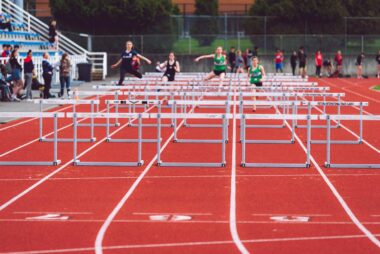

Psychological Strategies for Sprint Competition Success
In the fast-paced world of sprinting, athletes must harness not only their physical capabilities but also their psychological resources. Mental preparation plays a pivotal role in achieving optimal performance during competition. Effective strategies can enhance self-confidence, focus, and resilience, leading to better race outcomes. One of the most vital aspects of mental training involves visualization techniques. Successful sprinters often visualize their races step by step, imagining each component from the starting blocks through to the finish line. Additionally, affirmations help reinforce a positive mindset, allowing athletes to cope with anxiety and pressure. They can repeat empowering statements prior to races, focusing on their training and abilities. Another essential strategy is setting clear, achievable goals. Doing so breaks the competition into manageable parts that can alleviate overwhelming feelings. Furthermore, practicing mindfulness through breathing exercises can maintain composure during races. These methods, when combined with rigorous physical training, cultivate an all-rounded approach. Athletes should encourage one another to share these techniques in team settings, fostering a supportive environment conducive to excellence. By focusing on both mental and physical preparation, sprinters can achieve significant improvements in their competitive performances.
Developing Stress Management Skills
In sprint competitions, managing stress is crucial for peak performance. Renowned athletes utilize various psychological methods to cope with pre-competition nerves. One popular technique is progressive muscle relaxation, which helps to relieve physical tension often felt before races. In addition, breathing exercises can regulate heart rates, ensuring athletes remain calm and collected. Such practices can help sprinters enter a performance zone referred to as “flow” where focus and execution are seamless. Mental rehearsal is another strategy where athletes anticipate challenges they may face during races, enabling them to devise constructive responses. Furthermore, athletes can adopt routines, such as listening to motivational music or meditating in the hours leading up to competition. This reinforces stability, as a consistent routine can significantly reduce anxiety. Coaches and sports psychologists should provide athletes with opportunities to learn stress reduction techniques tailored to individual preferences. Educating athletes about the physiological responses to stress can also demystify the feelings experienced during competition. This knowledge can empower athletes to confront their emotions positively, transforming anxiety into a driving force. All these skills collectively foster a resilient athlete, equipped to handle the pressures of competitive sprinting effectively.
Building Mental Resilience and Adaptability
A key component of successful sprinting is developing mental resilience. This refers to an athlete’s ability to bounce back from adversity and maintain focus on long-term goals. One powerful technique in fostering resilience is cognitive reframing. Through this approach, sprinters learn to view setbacks as opportunities for growth instead of failures. This shift in perspective can greatly influence their training and competitive mindset. Furthermore, developing adaptability is essential in competitive environments, where conditions may change unexpectedly. Athletes can practice mental flexibility by varying their training sessions, embracing new techniques, and competing in different weather conditions. Such practices prepare them to face diverse scenarios during races, enhancing confidence and capability. Team dynamics also contribute to psychological resilience, as strong camaraderie allows athletes to share challenges and solutions collectively. Engaging in open conversations about mental struggles can lighten burdens significantly. Additionally, maintaining a balanced focus on personal achievements rather than just outcomes fosters intrinsic motivation. In doing so, athletes form a healthier relationship with their sport, fueling passion and perseverance. By embracing these strategies, sprinters can cultivate a robust mental framework for enduring the challenges of competitive sprinting.
Utilizing Positive Self-Talk
Effective communication with oneself, termed self-talk, can significantly impact performance for sprinters. Engaging in positive self-talk enables athletes to combat negative thoughts that may hinder their performance on race day. Athletes can use specific phrases that resonate with their experiences and strengths. Examples include statements like “I am prepared,” “I am fast,” or “I trust my training.” By repeating such affirmations, athletes cultivate a sense of confidence and preparedness that can enhance performance. Moreover, preparing for moments of doubt is essential for success. Athletes may encounter challenges during races, and having pre-determined responses can help them maintain focus. This proactive strategy involves preparing alternatives, such as reminding themselves of past victories, to counter negativity. Additionally, self-talk becomes especially relevant during challenging moments within competitions, helping to anchor athletes in their resolve. Coaches should encourage athletes to experiment with various self-talk techniques to discover what resonates most deeply. By establishing a personal dialogue that uplifts and motivates, sprinters can navigate through obstacles efficiently. Overall, positive self-talk serves as a cornerstone of an athlete’s psychological toolkit, supporting consistent success and resilience in sprint competitions.
The Role of Visualization in Competition Preparation
Visualization is an indispensable tool that athletes leverage to enhance performance. This technique involves mentally imagining the successful execution of races and training scenarios. By visualizing their performance vividly, sprinters can prime their minds and bodies for success. Research suggests that athletes who regularly practice visualization can significantly improve their confidence and reduce anxiety. Through guided imagery, sprinters can recreate the sensations of a race, ranging from the sound of the starting gun to the feeling of crossing the finish line. Such detailed visualizations build familiarity with race conditions, which can lead to smoother execution on race day. Furthermore, visualization can serve as a rehearsal strategy; by practicing the mental cues they will use during the actual race, athletes can enhance focus and performance. It’s vital to adopt a relaxed and immersive approach while visualizing to maximize benefits. Coaches can assist sprinters in integrating visualization practices into their daily routines, supporting their mental readiness. Over time, consistent use of visualization can reinforce an athlete’s belief in their abilities, making it a crucial component of competitive preparation. Ultimately, the capacity to envision victories significantly enhances an athlete’s psychological readiness for sprint competitions.
Implementing Goal Setting Strategies
Setting effective goals is paramount for sprinters striving for competition success. Goals provide direction and a roadmap to significant improvements over time. Athletes should aim to establish SMART goals: Specific, Measurable, Achievable, Relevant, and Time-bound. This framework ensures that goals are not just theoretical but are structured in a manner that facilitates progress. For instance, a specific aim could be to improve a 100m dash time by a certain fraction within a defined period. This approach instills a strong sense of purpose, motivating athletes to hone their skills and track their development. Furthermore, athletes can break down larger objectives into smaller, actionable steps, thus minimizing feelings of overwhelm. Regularly reviewing and adjusting these goals keeps athletes focused and adaptable to changes. Additionally, goal-setting can boost confidence, as awareness of accomplishment nourishes a positive self-image. Coaches can play a significant role by guiding athletes in identifying personal goals aligned with their capabilities. By cultivating a culture of goal-setting within teams, coaches prepare athletes for both individual and collective success. Ultimately, this strategic focus can heighten motivation and performance levels during competitive events, yielding significant long-term benefits.
The Importance of Team Support
While individual excellence in sprinting is paramount, the significance of team support cannot be overstated. Team dynamics create an environment where athletes can share victories and challenges, thus fostering a sense of community. Positive relationships within teams encourage collaboration and emotional support, essential for maintaining mental health. Communication plays a vital role in allowing athletes to express concerns, fears, and triumphs freely. Collectively celebrating accomplishments, regardless of size, reinforces a positive atmosphere conducive to growth. Furthermore, teammates can provide motivation when morale wanes, reminding each other of their capabilities. In such supportive settings, athletes share effective strategies for handling race-day pressure, enhancing overall resilience. Additionally, a strong team often leads to cooperative training sessions that push each athlete to maximize their potential. Coaches also play a pivotal role in this regard, providing guidance and creating programs that encourage collaboration among sprinters. Through structured teamwork, athletes develop essential skills needed to thrive individually and collectively. Ultimately, team support cultivates a sense of belonging, enhances mental fortitude, and boosts the likelihood of success during sprint competitions. By investing in these relationships, athletes not only elevate their performances but enrich their overall experience.
Conclusion and Future Directions
In conclusion, employing psychological strategies is vital for enhancing the performance of sprinters in competition. Techniques such as stress management, mental resilience, visualization, goal setting, and self-talk are integral components of a comprehensive training plan. Sprinters who incorporate these strategies cultivate a robust mental framework that complements their physical training. As sports continue to evolve, so too should the psychological methods adopted by athletes and coaches. Future research can focus on integrating technology, such as virtual reality, into mental training programs to amplify practice effectiveness. Additionally, equipping younger athletes with these skills can form a solid foundation for success early in their careers. Coaches must remain adaptable and open to adopting innovative strategies that address the unique demands of sprinting. Ultimately, fostering a holistic view of training that prioritizes both mental and physical well-being will likely yield better athlete performance and satisfaction. Both individual athletes and teams benefit immensely from investing in psychological resilience and preparedness. By prioritizing mental health alongside physical prowess, sprinters can unlock their potential, paving the way for remarkable achievements in the competitive sprinting arena.