
Programming Functional Training for Cross-Training Benefits
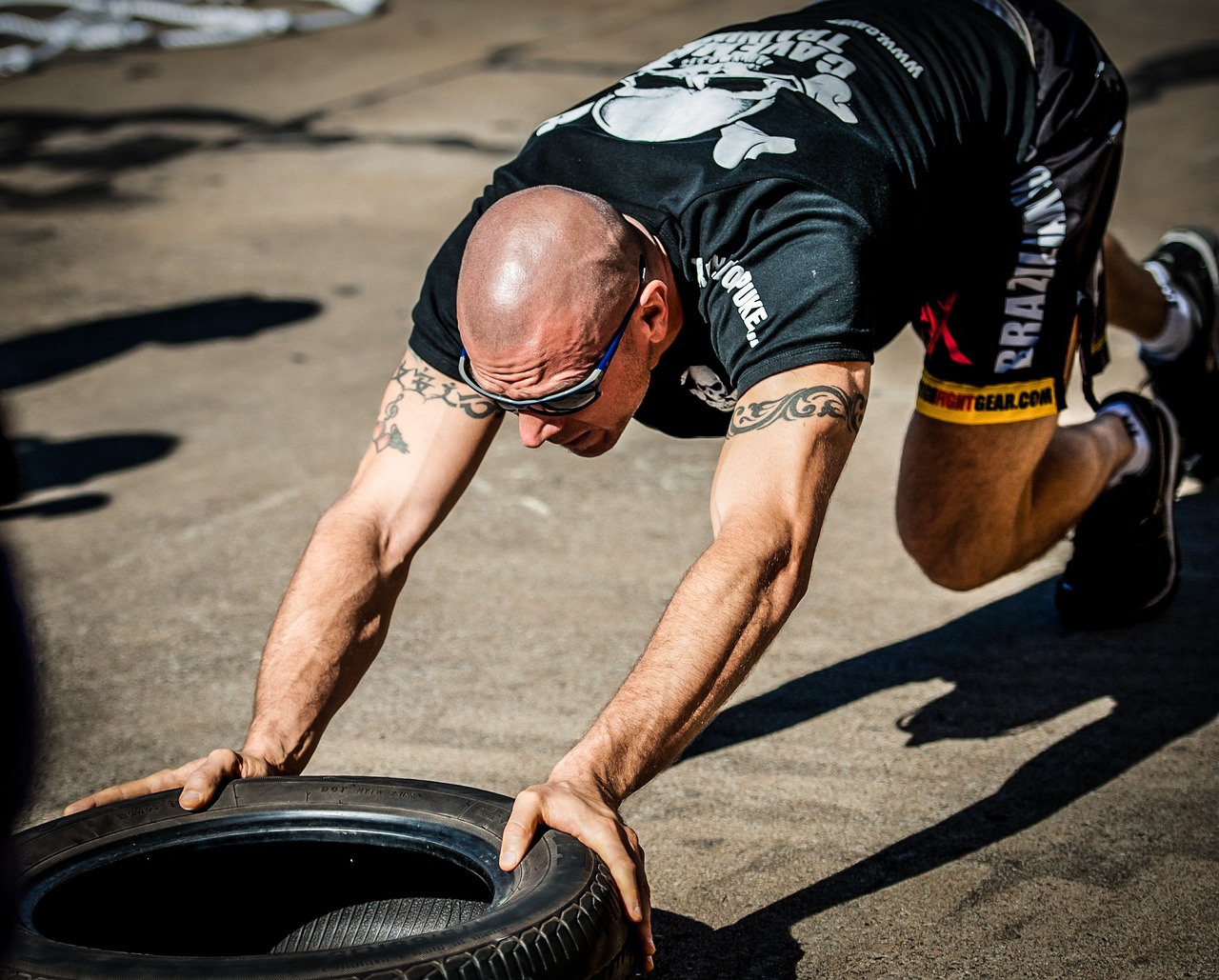
In today’s fitness landscape, functional training has emerged as one of the most effective approaches to enhance overall athletic performance. Functional training programming emphasizes movements that improve daily life tasks, agility, strength, and balance. It is particularly effective for cross-training, as it helps athletes from various sports improve their performance while reducing the risk of injury. By focusing on training modalities that mimic the demands of real-life scenarios, participants can build a versatile and strong physique. Implementing a well-structured training program is paramount to achieving these benefits. This involves designing workouts that encompass multiple movement patterns and energy systems. Integrating compound lifts, stability exercises, and cardiovascular training is vital to create a balanced approach. The key lies in ensuring a variety of modalities to challenge the body in unique ways, pushing it to adapt and grow stronger. Additionally, effective programming allows for recovery periods, promoting muscle healing and growth. Athletes engaged in functional training programming enjoy several advantages, including improved performance metrics, increased muscle endurance, and better overall fitness levels, making it a prime choice for both recreational exercisers and serious athletes alike.
Core stability plays a vital role in functional training programming. It serves as the foundation for all movement and is crucial for overall athletic performance. Exercises targeting the core range from simple to complex, facilitating improvements in both strength and endurance. Traditional exercises like planks and bridges can be beneficial, but integrating dynamic movements enhances core engagement, fostering adaptability and resilience. Movements like medicine ball slams and rotational lifts are practical and beneficial to athletic performance, promoting core strength across multiple planes. A strong core supports better posture and reduces the likelihood of injury during physical endeavors. Athletes should prioritize core workouts within their functional training regimen by incorporating exercises that allow them to feel the benefit of enhanced power and stability. Varying the intensity of core training can also help adapt and progress their routine. Some recommended exercises include rotational cable lifts, stability ball rollouts, and weighted carries. Consistently working the core will emphasize comprehensive strength development and functional application, ultimately ensuring that athletes experience improved performance across various sports and training modalities.
Strength Training Elements in Functional Programming
In functional training programming, strength training is a critical component that influences overall athletic performance. Strength training incorporates numerous modalities and techniques, providing participants with an edge in their respective sports. Focusing on compound movements such as squats, deadlifts, and lunges contributes significantly to developing functional strength. These movements engage multiple muscle groups, optimizing workout efficiency and effectiveness. Furthermore, implementing variability in strength training exercises keeps training dynamic and interesting. For instance, utilizing resistance bands, kettlebells, and dumbbells can create new challenges for athletes, ensuring progressive overload and enhancement of muscle adaptations. It is also crucial to balance push and pull movements in strength training. An equal mix of exercises targeted at both opposing muscle groups is essential for muscular health. By promoting balanced strength development, athletes can mitigate their risk of injury and improve performance. Additionally, periodization in training schedules sets the foundation for sustainable growth. Strength training remains an indispensable aspect of functional programming, providing athletes with the necessary tools to excel in competition while maintaining their physical well-being and longevity in sports.
Another key element of successful functional training programming is mobility training. Enhanced mobility allows athletes to perform a wider range of motion during exercises, improving their performance across various activities. Mobility training helps combat common ailments associated with rigid movement patterns, such as injuries and chronic pain. Dynamic stretches, foam rolling, and targeted mobility drills can condition the body to perform better and recover faster. Incorporating compound exercises that promote multi-joint movement helps in increasing overall flexibility, making it easier to execute various athletic functions. These mobility-focused workouts are best performed as part of a warm-up or cooldown routine, ensuring athletes remain agile and limber throughout their training sessions. Furthermore, integrating yoga or Pilates into functional training offers an effective way to increase flexibility, core stability, and mindfulness. This combination of core engagement and stretching plays a crucial role in detoxifying the body and keeping athletes in optimal condition. Ultimately, emphasizing mobility will not only help athletes achieve their training goals but also assist them in enjoying their chosen sports, keeping them engaged and injury-free over the long term.
Cardiovascular Conditioning in Functional Training
Cardiovascular conditioning is another indispensable aspect of functional training programming, providing numerous benefits to athletes. Integrating aerobic and anaerobic activities within workouts helps improve heart function, stamina, and endurance. When planning a program, consider various heart rate zones to facilitate different workout intensities; this creates a well-rounded cardiovascular approach. High-Intensity Interval Training (HIIT) is a popular and effective method in functional training for elevating heart rates and burning calories within shorter workout durations. Incorporating exercises like sprints, jump rope, or kettlebell swings accelerates cardiovascular fitness by challenging individuals to perform at their highest capabilities while promoting muscle growth. These options not only develop cardiovascular capacity but also push athletes to excel in their specific sports. For optimal results, aim to include cardio intervals within complete workout circuits, balancing strength-focused exercises with intensive cardiovascular efforts. Overall, cardiovascular conditioning is a crucial component of functional training programming that enhances athletic performance, promotes weight management, and establishes a robust foundation for overall health and vitality. Regular engagement in cardiovascular workouts will yield sustained benefits, enabling athletes to push their limits and reach their goals.
Recovery techniques are essential for any functional training program, aiding athletes in preventing injuries and ensuring optimal performance. As workouts place significant physical demands on the body, allowing adequate recovery is paramount. This can be achieved through various modalities, including active recovery, stretching, hydration, and sleep. Active recovery focuses on light physical activity, such as walking or light cycling, to promote circulation without overexerting muscles. Including restorative yoga sessions can also significantly enhance recovery efforts and improve flexibility. Hydration remains a critical aspect of the recovery process, helping to restore lost fluids and electrolytes after intense workouts. Encouraging athletes to monitor their hydration levels is essential for maintaining optimal performance. Moreover, sleep is often an overlooked area that greatly impacts recovery; ensuring quality sleep each night allows the body time to repair and rejuvenate. In conclusion, prioritizing recovery techniques within functional training programming not only supports athletes’ physical wellbeing but also contributes to their overall success in achieving fitness goals. By fostering a culture of recovery, athletes can elevate their performances while minimizing the risks associated with strenuous activity.
Creating a Balanced Functional Training Program
To maximize the benefits of functional training programming, it is imperative to create a balanced and comprehensive workout routine. This can be achieved by addressing various aspects of fitness, including strength, mobility, cardiovascular conditioning, and recovery. Start by determining an athlete’s fitness baseline, setting specific goals, and designing a personalized program that caters to individual needs. Ensuring proper programming requires periodization and variation to keep workouts engaging and adaptable. Athletes should aim to include functional exercises targeting different muscle groups, ensuring symmetry in training while promoting a well-rounded physique. Activation exercises should be integrated into warm-up routines to prepare muscles for the work ahead. Additionally, collaboration with a qualified coach can facilitate correct technique and preemptive injury prevention. Furthermore, don’t forget to integrate rest days into the programming to optimize recovery. A successful functional training program should culminate in an adaptable structure, empowering athletes to consistently meet their fitness milestones. Ultimately, aiming for a balanced approach to functional training will elevate athletes and ensure that they reap the long-term benefits both in performance and overall well-being.
In conclusion, programming functional training for cross-training benefits is integral to athletic advancement and overall fitness. Emphasizing core stability, strength, mobility, and cardiovascular conditioning forms the foundation of an effective regimen. When incorporated effectively, recovery techniques ensure athletes remain resilient and prepared for challenges ahead. To truly experience the advantages of functional training, individuals must remain committed to the process by consistently evaluating progress and adapting their training program accordingly. Engaging with qualified professionals can enhance understanding and skill execution, further optimizing athletic performance. Reaping the full potential of a balanced functional training program allows individuals to reach new heights in their fitness journeys. The era of functional training is upon us, and the relevance of this programming can never be understated. By fostering a well-balanced approach, athletes can achieve broader goals not just in their respective sports but also enhance their quality of life through improved health and physical capability. As the fitness community continues to embrace functional training, athletes of all levels will witness significant transformations in their performance, durability, and personal achievements.