
Zumba and Other Dance Group Classes for Older Adults
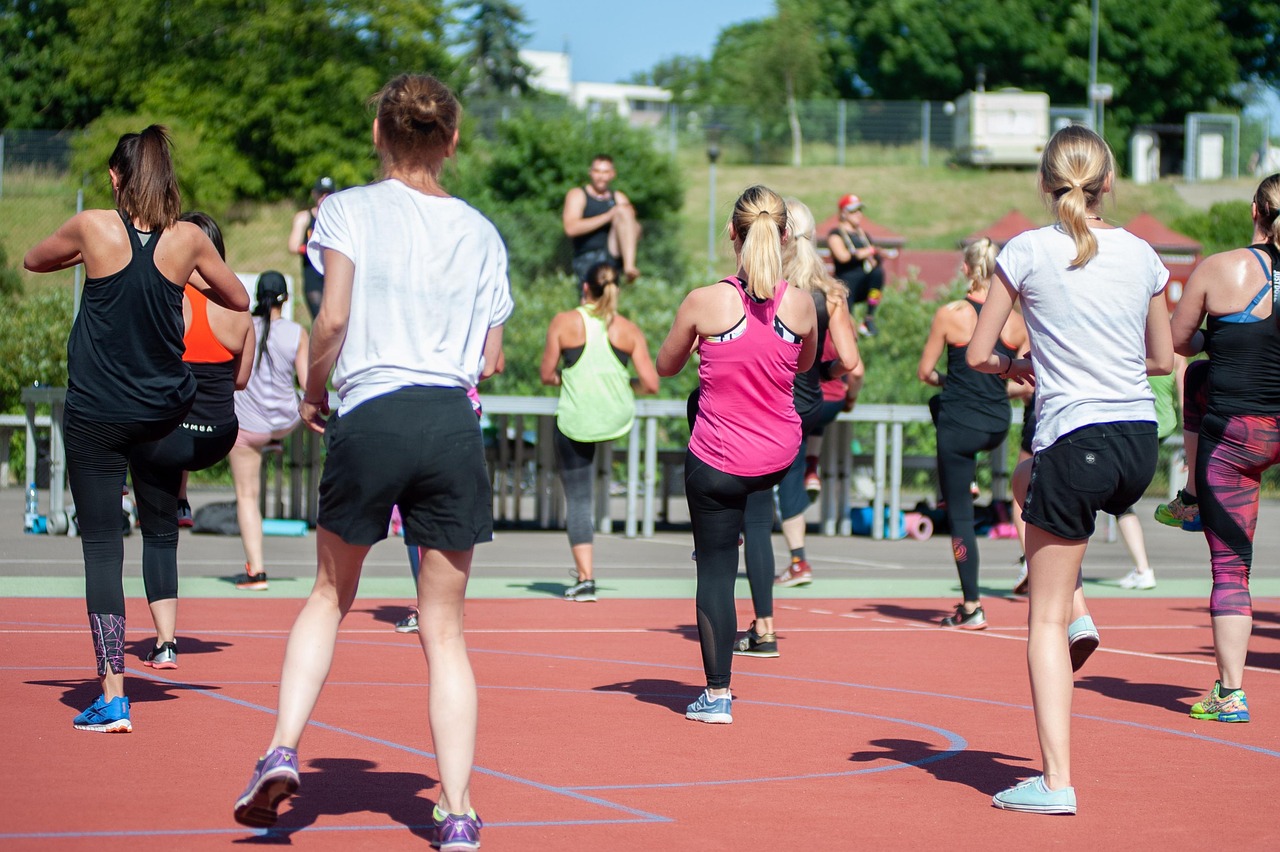
Group exercise classes designed for seniors offer a delightful way to enhance fitness while socializing. Zumba, a popular dance-based fitness program, is an excellent choice for older adults looking to stay active. It fosters not only physical fitness but also emotional well-being. Participants often find joy in expressing themselves through music and dance. Moreover, Zumba can be easily adapted, catering to various fitness levels. This adaptability ensures safety and enjoyment. The upbeat music used in Zumba energizes participants, making workouts feel less like strenuous exercise. Engaging in these classes improves cardiovascular health, muscle strength, and flexibility. Additionally, dance promotes coordination, which can deteriorate with age. Another benefit is the social aspect of group classes. Seniors tend to build friendships and create a supportive community. Working out with peers encourages motivation, accountability, and consistent attendance. Instead of a routine workout at home, group settings provide an exciting alternative. Overall, Zumba and similar classes deliver a holistic fitness experience, greatly benefiting seniors physically and emotionally, making them a wonderful addition to any senior fitness program.
Many seniors often shy away from traditional exercises due to concerns about safety or physical limitations. However, dance classes like Zumba provide an engaging option that prioritizes fun over fear. Classes are typically led by experienced instructors trained to accommodate various skill sets. Progressions and modifications ensure everyone can participate without strain. Furthermore, dance classes can improve mental health by releasing endorphins, the body’s natural mood lifters. Social interaction in group settings combats loneliness, a common issue among older adults. The communal environment fosters encouragement and camaraderie, making exercise a more enjoyable experience. At the same time, seniors are encouraged to move at their own pace, which is essential for injury prevention. The diverse routines in dance classes enhance cognitive function as seniors learn new steps and choreography. Regular dancing can also improve memory, and studies show that engaging in such activities may reduce the risk of dementia. Therefore, participating in classes like Zumba isn’t just beneficial for the body; it’s also an engaging activity that promotes lifelong learning and cognitive health. This fusion of fitness and fun is truly what creates lasting impacts for older adults.
Choosing the Right Class
When selecting a dance class or exercise program for seniors, several factors should be considered. It’s crucial to ensure that the class is tailored specifically for older adults. Checking the class size is important as smaller groups allow for personalized attention from instructors. Additionally, assess the qualifications of the instructor. A well-trained instructor should understand the unique challenges seniors face and cater exercises accordingly. The location of classes is also significant. Seniors should choose venues that are easily accessible, minimizing transportation difficulties. Accessibility ensures more seniors can attend consistently. Evaluating the variety of music and dance styles offered is beneficial. Some might enjoy salsa, while others prefer ballroom or even line dancing. Participants should certainly feel motivated by the music selection. Another aspect to consider is social engagement. Classes that emphasize community can lead to meaningful friendships and support systems. Lastly, check if the class allows for flexibility in attendance and payment options. This accommodating nature can significantly influence participation levels and overall satisfaction. By considering these elements, seniors can find a class that meets their specific interests and needs, promoting lasting engagement and fitness progress.
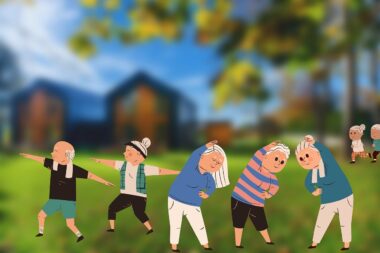
In addition to the physical benefits, Zumba and dance group classes cultivate emotional strength. Many older adults struggle with feelings of isolation or depression. Dance classes serve as an uplifting outlet, bringing participants together in a joyful, encouraging environment. The community created within the classes fosters connections that may extend beyond the studio. Participants usually share stories, resources, and even personal challenges. These shared experiences can strengthen relationships and build a supportive network among seniors. Moreover, the motivating environment instills confidence as they learn new choreography and improving their ability. Feeling accomplished, regardless of small wins, leads to a greater sense of self-worth and positive body image. Additionally, for those with chronic health issues, engaging in dance allows them to maintain a sense of freedom and independence. Dance can also alleviate anxiety and improve sleep quality; this holistic approach is integral. Furthermore, many seniors find inspiration in seeing their peers flourish, younger or older. By highlighting diverse age ranges participating in dance classes, it reinforces the idea that movement is truly for everyone. In summary, the emotional and social benefits of participating in dance classes cannot be underestimated.
Engaging with Technology
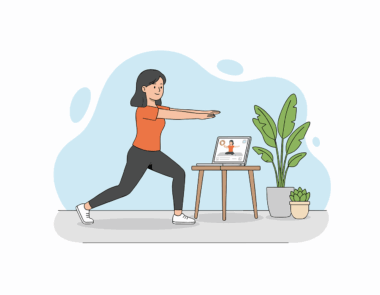
With the rise of technology, many seniors now have the opportunity to explore dance classes virtually. Online platforms allow them to access a variety of classes from the comfort of their homes. This option can be particularly beneficial for those who might feel uncomfortable attending in-person sessions. Virtual classes expand accessibility, providing opportunities for those living in rural areas or without transportation. Moreover, many platforms offer recorded sessions, allowing seniors to participate at their convenience. This flexibility can alleviate pressure and create a personalized workout schedule that suits their needs. Additionally, some online classes incorporate interactive elements, such as dance challenges or group video calls, maintaining the social aspect of fitness. Seniors can share progress with one another, fostering community even in a virtual space. The ease of technology also facilitates participation in specialized programs focusing on rehabilitation or mobility. Individualized instruction through online methods may benefit seniors recovering from injuries. As online fitness gains momentum, dance classes will likely thrive in this digital landscape. Regardless of location, older adults can continue enjoying the benefits of Zumba and other dance-based fitness classes, ensuring they remain active and engaged in their health journey.
In conclusion, Zumba and other dance group classes are an outstanding option for seniors looking to enhance their fitness levels while enjoying social interactions. These classes promote overall health, encompassing physical, mental, and emotional well-being. Many seniors delight in the joy of dancing, raising their spirits while burning calories and improving flexibility. Moreover, engaging with music and dance can combat feelings of loneliness, creating a vibrant community of supportive peers. The plethora of benefits derived from participation in such fitness classes makes them a worthwhile investment in one’s health. Effective instructors can provide an engaging environment, ultimately encouraging consistent attendance. As seniors incorporate enjoyable activities in their regular routines, they are likely to experience improved life quality. The integration of technology further increases access, making dancing a readily available choice for many seniors. Ultimately, promoting group classes tailored for older adults should be the focus as communities recognize the positive impacts these programs can provide. Emphasizing innovative and diverse offerings keeps seniors motivated, allowing them to thrive, connect, and enjoy the many benefits of staying active through dance classes. It’s never too late to embrace fun exercise that holds long-lasting value.
Staying Safe While Dancing
As with any exercise regimen, it’s essential for seniors to prioritize safety while participating in dance classes. Before starting, seniors should consult with their healthcare provider, especially if they have pre-existing health conditions. Understanding personal limitations is crucial for preventing injury during activities. Wearing appropriate footwear is also vital; shoes with good support can make a considerable difference in performance and reduce accident risks. Instructors should emphasize staging adjustability of movements within dance routines, encouraging participants to make adjustments based on their comfort levels. Additionally, seniors should stay mindful of their hydration during classes, especially in warmer months. Maintaining proper hydration supports overall health and performance, allowing for better concentration during routines. Dance classes should incorporate warm-up and cool-down periods, essential for preventing muscle strains or injuries. Should any discomfort persist after class, seniors should contact a healthcare professional to address concerns. Moreover, it’s crucial to maintain an open line of communication with instructors about any physical challenges. By fostering a safe and supportive environment, seniors can fully enjoy the benefits of dance fitness programs and continue actively enhancing their overall health and happiness.
In summary, Zumba and other dance classes offer exceptional health benefits tailored to seniors. Not only do these programs promote physical fitness, but they also provide significant emotional and social advantages. By participating in dance, seniors elevate their mood and enhance cognitive function while nurturing valuable friendships. Maintaining activity is vital in promoting independence and self-esteem among older adults. With options for both in-person and virtual classes, engagement has never been more attainable. The community created within dance classes mirrors the importance of group fitness experiences for seniors. Empowering them to enjoy a sense of belonging and motivation enhances their overall quality of life. Therefore, investing time in fun activities like dance can profoundly impact seniors’ health journeys. A supportive environment where they can learn at their own pace encourages them to keep moving. As schools and fitness centers become aware of the need for tailored programs, the incidence of injuries decreases. It’s crucial to prioritize safety measures to ensure that all seniors enjoy their dance experiences. Therefore, embracing opportunities to join dance classes is an excellent choice for seniors of all fitness levels looking to improve their quality of life.