
Heart Rate Monitors in Cardio Machines: Enhancing Your Workout
Heart rate monitors are now integral to modern fitness, especially when used in cardio machines. These devices track your heart rate in real-time, giving you critical information about your workout intensity. By monitoring your heart rate, you can adjust your effort level to meet your fitness goals. Whether you’re running on a treadmill or cycling on a stationary bike, these monitors provide valuable feedback. They help you maintain the ideal heart rate zone for burning fat, improving cardiovascular fitness, or building endurance. As technology advances, these devices have become more accurate and user-friendly, often integrating seamlessly with fitness apps. Many cardio machines now come equipped with built-in heart rate monitors or offer Bluetooth connectivity to pair with external devices. This means you can easily track your progress and push your limits. Knowing your heart rate helps in preventing overexertion, a common issue that leads to injuries. Additionally, consistent tracking fosters accountability, motivating you to achieve your fitness targets effectively. Remember, a well-monitored workout leads to better performance and improved health outcomes, which is why heart rate monitors are essential tools in fitness.
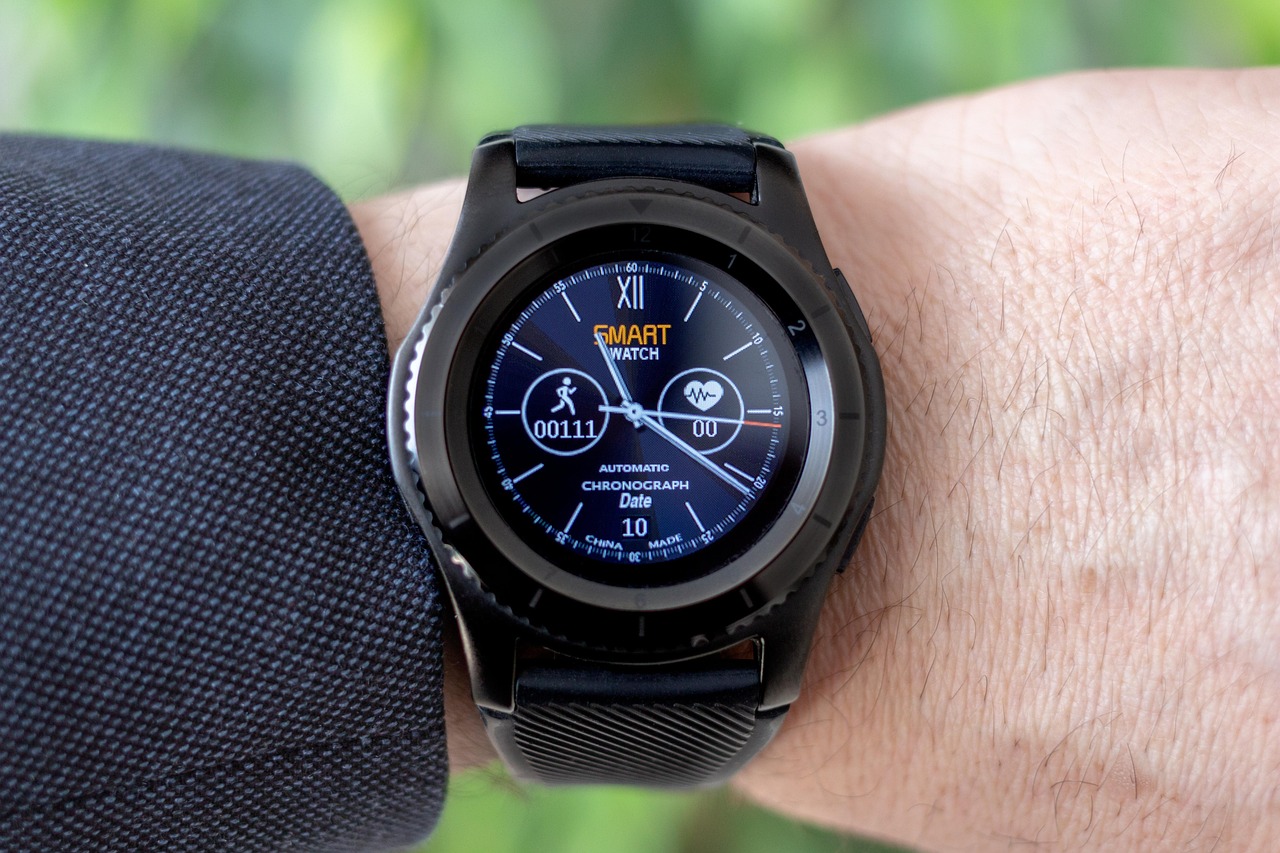
These heart rate monitors are available in various formats, from chest straps to wrist-based devices. Chest straps generally provide the most accurate readings since they capture electrical signals directly from the heart. Wrist-based monitors offer convenience and comfort but may vary in accuracy based on how tightly they are worn. Each type has its own advantages and suits different personal preferences. For instance, runners often prefer chest straps for their precision, while gym-goers may opt for wrist devices for ease of use. The choice really depends on your workout routine and personal comfort. Features vary by model, including simple heart rate monitoring to advanced metrics like VO2 max and recovery times. When selecting a monitor, consider what measurements are most important for your fitness journey. Additionally, many machines now have integrated options that sync with your heart rate monitor. This means you can visualize your heart rate on the display while you exercise, helping to stay in the right intensity zone. Taking advantage of these features can significantly enhance your workouts, making for more effective training sessions throughout your fitness program.
Adjusting Your Training Intensity
One of the greatest advantages of utilizing heart rate monitors is their ability to help you adjust your training intensity. By observing your heart rate, you can determine if you need to increase or decrease your effort during workouts. This real-time feedback allows for optimal performance, ensuring you remain within the best heart rate zones. For example, during aerobic exercises like jogging, your target heart rate may range between 60 to 80% of your maximum heart rate. By staying within this range, you maximize caloric burn and cardiovascular benefits. Conversely, if your heart rate exceeds 80%, it may indicate that your workout is too intense. Using this data can guide adjustments in speed and resistance during cardio sessions. Many find that having this information immediately available, such as on-screen during a workout, is invaluable. By fine-tuning your intensity, you can adhere to your exercise plan more effectively. Therefore, not only does incorporating heart rate monitors enhance workout efficacy, but it also ensures safety by preventing potential overexertion during high-intensity sessions. Ultimately, monitoring facilitates a tailored approach to fitness improvements.
In addition to adjusting intensity, heart rate monitors foster better training consistency and progression. Over time, consistently tracking your heart rate provides insights into your fitness level. You can evaluate how your heart responds to various intensities throughout your workout. This information is vital for ensuring you’re making progress and adjusting your regimen accordingly. If your heart rate is consistently lower than expected at a specific intensity, it may indicate improved cardiovascular fitness, suggesting that you can up the ante. Conversely, persistent elevation at easy paces may necessitate a reevaluation of techniques or recovery methods. Most monitors retain workout data over time, helping you identify trends and make informed decisions about your training. Advanced features in some monitors allow for long-term analysis, offering guidance on when to increase intensity or volume safely. Such insights help prevent plateaus, keeping your workouts challenging and productive. Utilizing monthly graphs documenting your heart performance adds an exciting visual element to your progress. This aspect keeps motivation high, as seeing tangible progress frequently reinforces positive habits and fitness commitment for the long run.
Potential Challenges and Considerations
While heart rate monitors are advantageous, it’s important to recognize potential challenges and considerations when using them. Accuracy depends significantly on the sensor’s quality as well as the individual’s unique physiology. For instance, external moments such as exercise variations, skin temperature changes, or movement intensity can influence results. This variability means that heart rate readings may occasionally present erroneous spikes or drops. Additionally, the comfort of sensors can affect a user’s adherence to monitoring. If a device is uncomfortable or inconvenient, it may lead individuals to neglect its use entirely. For those unwilling to invest in specialized devices, many standard cardio machines feature built-in monitors. However, it’s essential that these built-in sensors are used correctly to ensure proper readings. Additionally, over-reliance on these monitors could lead to neglecting important physical cues from your body, such as fatigue or breathlessness. Modern fitness culture often emphasizes metrics, but it’s vital to balance numbers with listening to one’s body. Being mindful of how your body feels while maintaining awareness of your heart rate can maximize your workout experience effectively.
Another aspect to consider is integrating heart rate data into your overall fitness regimen. For maximum benefit, utilizing heart rate monitors should be combined with a holistic training approach, which includes strength training, flexibility work, and proper nutrition. Creating a well-rounded plan can optimize cardiovascular improvements gleaned from heart rate monitoring. Many users find that incorporating various forms of exercise keeps their routine engaging and reduces the risk of injury associated with overuse in just one area. Balancing your workouts with resistance training and mobility programs leads to overall strength gains and better endurance. Furthermore, hydration and nutrition play roles in heart rate responses during workouts. Ensuring proper hydration balances electrolyte levels, supporting safer heart function during exercise. Moreover, fueling the body with appropriate macronutrients can provide the energy needed to sustain intense workouts effectively. Therefore, heart rate monitors enhance cardio workouts when integrated with broader training strategies. This synergy accelerates improvements across fitness domains, allowing for comprehensive health and wellness. Engaging coaches or trainers may help formulate an effective program that utilizes heart rate insights appropriately.
Conclusion: Embracing Technology for Optimal Workouts
In conclusion, investing in heart rate monitors can significantly enhance your workout regimen. They empower individuals to tailor their training to meet specific fitness goals effectively. By providing real-time feedback, heart rate monitors help regulate exercise intensity, ensuring workouts are both productive and safe. Their ability to track progress and monitor physiological responses supports consistency and can lead to remarkable improvements in fitness levels. While these devices are incredibly beneficial, understanding their limitations and incorporating them into a balanced fitness approach is crucial. This includes recognizing the importance of listening to your body and combining training modalities for comprehensive health. Adopting a holistic perspective can maximize the benefits derived from heart rate monitoring. As technology continues to evolve, the effectiveness of these tools will only improve, promising users enhanced accuracy and usability. Therefore, understanding how to interpret the data provided by these monitors promotes better health and can lead to sustained motivation. Embrace the integration of heart rate technology into your fitness routine, and experience the transformative effects it can have on your overall well-being, ultimately making each workout effective and enjoyable.
Explore More About Heart Rate Monitors
To learn more about heart rate monitors, consider exploring different brands and their features. Visit websites such as Example.com for comprehensive reviews and comparisons based on user feedback. Whether you seek basic tracking functionalities or advanced analytics, there are a plethora of options available to suit various needs and budgets. Familiarize yourself with specific technologies implemented in different devices to ensure the best match for your fitness journey. The evolution of heart rate monitor technology is exciting, providing ever more sophisticated ways to track your performance. In addition, seek advice from fitness professionals and trainers who can offer insights on selecting the right device based on your goals and activity levels. Online forums and communities can also serve as valuable resources for personal experiences and recommendations. Ultimately, investing in a heart rate monitor is a wise decision for anyone aiming to enhance their workout performance and achieve better results. Staying informed and connected will help you navigate the world of fitness technology and choose the best tools to enhance your exercise experience.