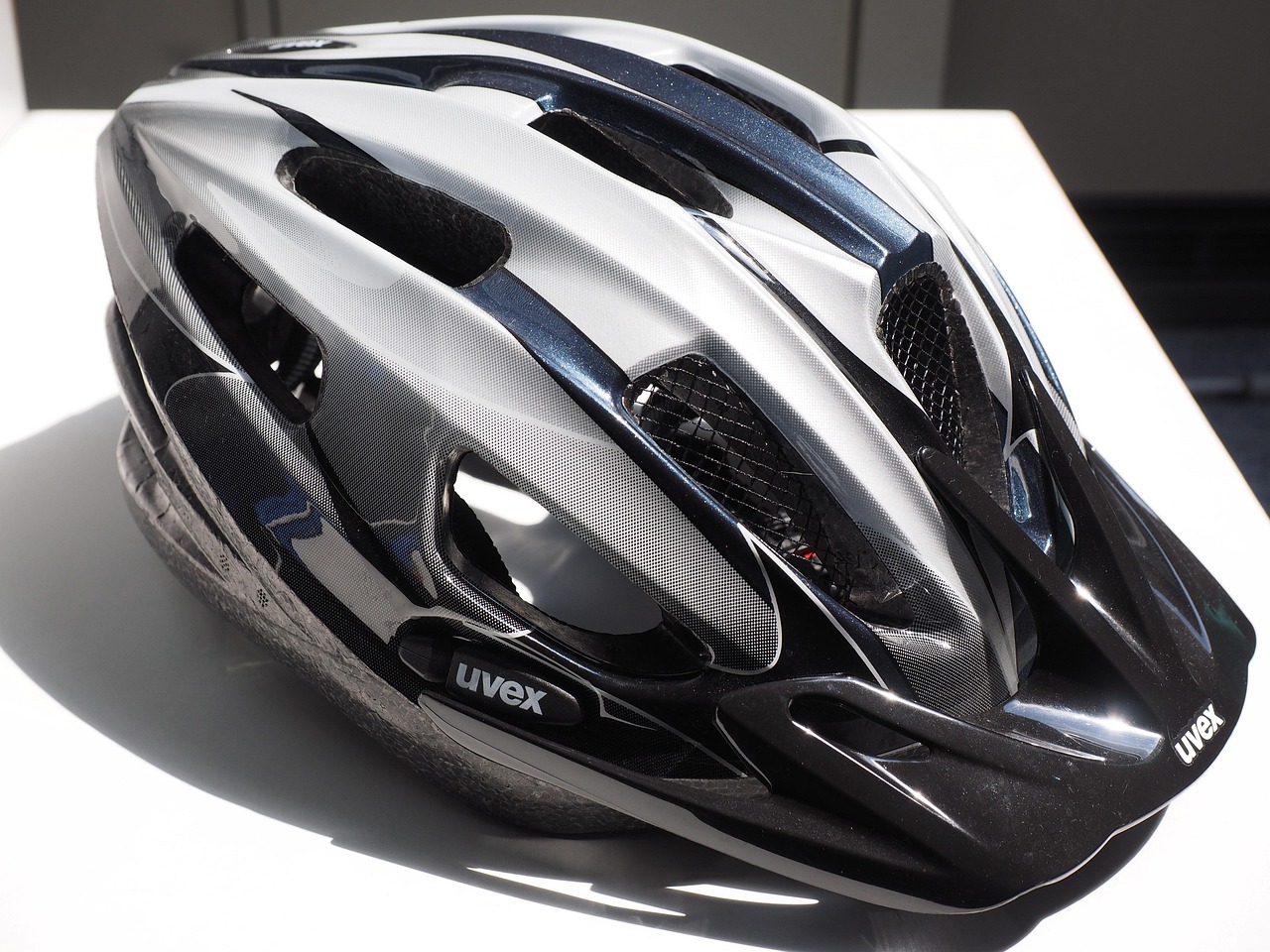

How to Choose the Right Helmet for Road Cycling
Choosing the right helmet for road cycling is crucial for both safety and comfort. A well-fitting helmet can protect your head in the event of an accident, making it essential to select the right model. First, you should consider the type of helmet designed for road cycling. Road helmets typically have a streamlined design and ample ventilation to enhance airflow, which is especially useful during long rides. When purchasing a helmet, look for one that meets safety standards such as CPSC or EN1078, ensuring that it has been rigorously tested for impact protection. You might also want to review different brands and models, as some might offer unique features catering to specific cycling styles. For additional safety, consider one equipped with MIPS technology, which provides an extra layer of protection against rotational forces. Proper sizing is also essential. Measure your head circumference and use the sizing chart provided by the manufacturer to select the correct size. Many helmets come with adjustable straps to fine-tune the fit, ensuring a snug and secure feel during your rides. Trying on helmets in-store can provide considerable insight into comfort before making a purchase.
Next, consider the weight of the helmet. Typically, road cycling helmets are lightweight to avoid unnecessary strain on your neck during long rides. Heavier helmets can lead to discomfort and fatigue, counteracting the purpose of a lightweight cycling setup. In addition to weight, the helmet’s ventilation system is vital to keep your head cool. Look for helmets with numerous air vents, which can help prevent overheating, especially during summer rides. A well-ventilated helmet allows sweat to escape and keeps the interior comfortable. Another factor to think about is the style and colors available. While safety is paramount, a helmet that suits your style can make you more inclined to wear it regularly. Many brands have various color options, so choose one that compliments your cycling gear. Furthermore, consider any additional accessories that could enhance your helmet. Some helmets may allow for an integrated light or camera mount, adding versatility to your cycling experience. When investing in a helmet, prioritize features that align with your personal preferences and cycling habits. Remember that comfort and fit should always come first when choosing the right helmet.
Understanding Safety Ratings
Understanding safety ratings is pivotal when selecting a helmet. Safety certifications vary by region but generally include CPSC, CE, and AS certifications. These standards indicate that the helmet has passed specific tests for impact resistance and overall durability. Helmets that feature a validated safety certification ensure a certain level of protection for your head during a fall. Take the time to research the safety ratings of different helmets, comparing those that meet or exceed your expectations. Some manufacturers even post results from independent testing, giving additional credibility to their claims. Additionally, it’s beneficial to read user reviews and expert evaluations to gauge real-world performance. Often, cycling communities discuss the strengths and weaknesses of various models, providing invaluable insights. Online forums and cycling clubs can serve as great resources for this information. Assessing both the safety ratings and real-life user experiences will help make an informed choice. Prioritize your safety by investing in a high-rated helmet tailored to your cycling habits. Remember, you can search for certified options directly through the manufacturer’s website, which often lists safety feats clearly for prospective buyers.
Moreover, think about the inner comfort of the helmet. Interior padding plays a significant role in how comfortable your helmet will be during extensive rides. Look for helmets that come with removable and washable padding, as this feature helps maintain hygiene and prolongs the lifespan of your helmet. A comfortable fit not only enhances your cycling experience but also encourages you to wear your helmet more consistently. Cervical fatigue can arise from wearing an ill-fitting helmet, so ensure you spend time adjusting the straps and inner padding. In addition to comfort, noise can be an issue. Helmets that are quieter often include aerodynamic features that reduce wind resistance. Investing in a helmet with innovative design elements contributes to a more pleasant journey, especially during long-distance rides. Noise reduction allows you to focus better on the road and your surroundings, enhancing overall safety. Finally, assess the accessibility of your helmet. If you’re someone who frequently takes your helmet on and off, look for a user-friendly design that makes this process easy. This can save time and increase the likelihood that you’ll wear your helmet consistently.
Price Versus Quality
When shopping for a helmet, it’s essential to balance price versus quality effectively. In the helmet market, there isn’t a direct correlation between cost and effectiveness. While high-end brands may offer advanced features such as lightweight materials and cutting-edge design, great safety can also be found in mid-range helmets. Allocate your budget considering both the essential safety features and your specific needs. Many well-known brands offer reliable helmets at various price points, allowing you to find one that meets your financial constraints. Take the time to explore discounts, clearance sales, and even second-hand options for quality helmets. Just ensure these options still meet safety certifications. Remember that investing in a good helmet can be a cost-saving measure in the long run. Quality helmets are less likely to degrade or fail after a few rides, while cheaper models may need to be replaced sooner. Understand that your safety should never feel compromised for savings. Therefore, weigh your priorities carefully. Read reviews and do your research to ensure that you’re getting the best value for your money without sacrificing essential safety features.
Also, pay attention to how well the helmet coordinates with additional gear. For instance, if you frequently ride at night or in low-light conditions, investing in a helmet with reflective elements can enhance your visibility. Furthermore, compatibility with accessories such as visors or ear covers might also influence your selection process. These extras can often improve your overall experience, adding utility to your helmet. If riding in adverse weather is common for you, consider visiting local shops that offer helmets specifically designed for additional weather protection. These often include features like sun visors, removable pads, or unique outer shells adapted for rain or snow. You should also scope out how easily the helmet can fit over your hair, especially if you wear a ponytail or other hairstyles. A versatile helmet allows for adaptations without sacrificing comfort. Always make sure that any additional layering or accessories you use maintain safety standards. Ultimately, find a balance between practical features and aesthetics. A well-rounded helmet enhances not just your safety but your overall cycling enjoyment. Therefore, explore options keenly until you find your perfect fit.
Final Thoughts on Choosing the Right Helmet
In conclusion, choosing the right helmet for road cycling is a critical step to ensure safe and enjoyable rides. Always prioritize safety by looking for approved certifications and testing results, and consider the comfort of the helmet as equally important. Remember that a well-fitted helmet significantly reduces the risk of injuries during accidents. Additionally, exploring versatile features, accessories, and aesthetics can elevate your cycling experience. Make sure to weigh the price against quality and features offered, keeping your budget at the forefront of the decision-making process. To make an informed decision, consulting reviews, seeking expert opinions, and engaging with other cyclists can provide valuable insights. As you shop, remember that an ill-suited helmet can negatively impact your comfort and riding experience, making it worthwhile to commit time and effort to find the right one. Accessibility and compatibility are also key, influencing how likely you are to wear your helmet consistently. Finally, finalize your choice based on how the helmet complements not just your cycling style but also your overall safety. Take pride in making an educated decision, ensuring your rides remain fun and safe.
Also, remember that regular helmet maintenance can significantly increase its lifespan. Make it a habit to inspect your helmet after every major ride, looking for any signs of wear and tear, particularly cracks in the shell or damage to the padding. If your helmet has been involved in an accident, it’s important to replace it immediately, regardless of visible damage. Helmets are designed to absorb impact only once, and using a compromised helmet poses a risk. Store your helmet in a cool, dry place away from direct sunlight to prevent any potential deterioration of materials. You can occasionally clean the straps and outer shell for improved hygiene, especially if you’ve been riding in muddy conditions. Be aware that excessive heat can weaken structural integrity, so avoid leaving your helmet in hot places like your car during summer months. You might also enjoy customizing your helmet with decals or stickers, provided they do not cover important safety labels or vents. This can add a personal touch and make wearing the helmet feel more fun. Remember, a helmet is your first line of defense while cycling; taking care of it translates to taking care of yourself.