
How to Train Balance and Coordination for Parkour
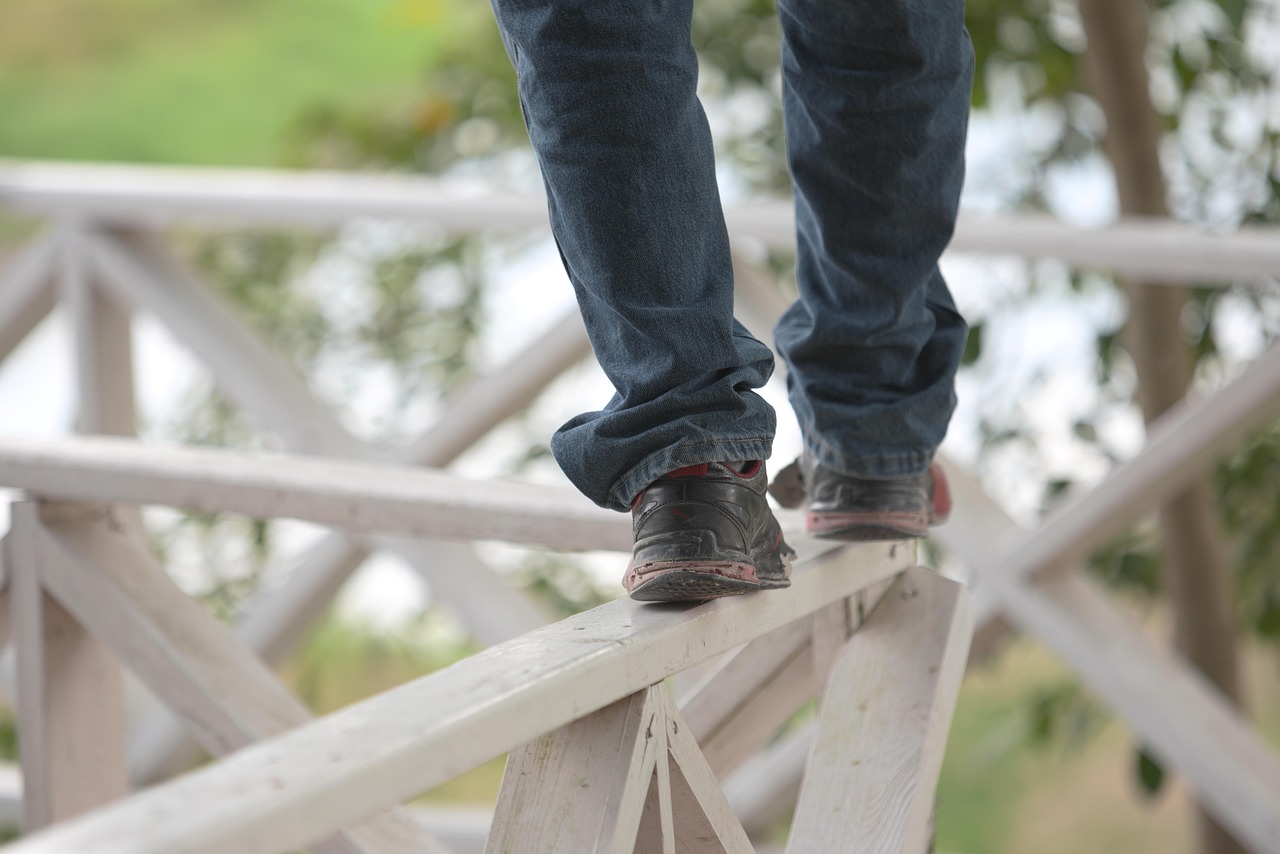
Parkour encompasses agility, strength, and a plethora of skills, where balance and coordination appear fundamental. The first step is understanding that balance goes beyond merely standing still; it involves moving dynamically and securely through different terrains. Incorporating various drills in your training will enhance your core stability and improve various movements. Start practicing on low beams or curbs—these will challenge your sense of balance while reducing the risk of injury. Gradually heighten the distance from where you jump or land, ensuring that each attempt feels controlled and secure. Additionally, static balancing exercises can help. Try one-legged stances or use a balance board for enhanced core engagement, making them suitable complements to your parkour exercise routine. Furthermore, integrating agility-focused activities like footwork drills can refine coordination. Remember, success in parkour requires continual progress and adaptation. Aim to document your progress in a journal, so you can appreciate your improvement over time and keep your motivation alive. Lastly, include fun activities like dance or martial arts, which can further sharpen coordination and increase enjoyment as well. Overall, developing these essential skills will undoubtedly benefit your parkour journey.
Building strength and balance also involves setting realistic goals and knowing how to track your achievements. Start by focusing on short-term and long-term capabilities that you seek to develop. For instance, a short-term goal could be to balance on one leg for five seconds without assistance. In contrast, a long-term goal might aim higher, like performing a full precision landing. Each practice session should feature achievable milestones, enabling you to remain motivated. Consider finding a workout partner for accountability and to help troubleshoot techniques. This partnership can allow both individuals to share feedback and grow collectively. Remember, the mind also plays a crucial role. A positive mindset can influence your coordination development. Visualization is a remarkable technique; picturing yourself successfully landing difficult maneuvers can reinforce your physical skills. Moreover, include routine flexibility exercises in your regimen to facilitate smoother transitions while executing parkour stunts. Pay attention to relevant body signals during training to avoid injury, as pushing yourself beyond your limits can result in setbacks. Pay heed to your surrounding environment, as an adaptable mindset is necessary in parkour, rewarding preparation with success. Train wisely, adapt, and enjoy the process!
Exercises for Balance and Coordination
To enhance your balance and coordination for parkour, several targeted exercises are essential. One effective method is practicing balance-focused exercises such as single-leg stands. These exercises engage your stabilizers, promoting resilience in dynamic situations. You may also incorporate jumping drills that demand accuracy and placements, such as box jumps or precision jumps onto specific targets. These movements require focus while promoting agility and strength in your legs. Additionally, the agility ladder is an excellent tool for refining coordination and footwork. Incorporating various patterns and drill sequences will enhance both your muscle memory and your speed. Moreover, plyometric exercises, like broad jumps and tuck jumps, can significantly bolster dynamic stability. A solid level of coordination is needed for seamless execution, ensuring your jumps are effective and controlled. Furthermore, regular practice of these drills can improve your overall body awareness, benefiting your performance in parkour significantly. Another captivating option is slacklining—it’s not only challenging but also a fantastic way to build stabilizing muscles. Whether utilizing a slackline at a local park or an indoor gym, you’ll find it complements your parkour skill set extraordinarily well. Explore these exercises regularly to manifest noticeable improvements.
Moreover, training in various environments is crucial. Parkour is inherently about adapting to different settings and obstacles. Familiarize yourself with environments that simulate parkour scenarios, such as playground equipment or railings. Training in these real-world situations allows you to practice balance in ways that differ from gym training. Exploring locations that vary in height and distance can enhance your adaptability as well. Experiment with different surfaces, such as grass, wood, and concrete, to further test your balance and body control. Understanding how different materials affect your stability is essential for parkour training. Always remember that safety is paramount. When practicing balance and coordination, consider using protective gear, especially when attempting challenging maneuvers on unfamiliar terrain. Land on softer surfaces or add crash mats when necessary to ensure your confidence in trying new skills. As your techniques improve, increase your efforts slowly to avoid injury while pushing your limitations. Notably, remember that recovery is just as important as practice. Give your body necessary time to recuperate and assess any areas needing improvement. This helps maintain a solid foundation and keeps the training experience enjoyable and efficient.
The Role of Core Strength in Balance
Core strength is instrumental in mastering balance and coordination for parkour, as it acts as the foundation for controlled movement. A well-developed core stabilizes your body during dynamic maneuvers, enabling agility in the execution of parkour moves. Engage in core-strengthening activities such as planks, leg raises, and rotational exercises that not only target the abs but also work the oblique and back muscles. Functionality plays a vital role; therefore, consider incorporating exercises that build both strength and balance at the same time, like stability ball exercises. These promote coordination while reinforcing core muscles essential for parkour. Another engaging method is using resistance bands, allowing for varied resistance while challenging your balance. Performing exercises like banded side steps can enhance not only your leg strength but also your coordination. Core exercises should be synchronized with your balance training, creating a holistic training regime. Furthermore, bodyweight exercises like push-ups and squats can contribute effectively to overall strength. Always focus on proper form and breathing while training to maximize results. Ultimately, strengthening your core lays the groundwork for a successful parkour journey and creates a solid foundation for more advanced movements.
Additionally, the integration of mindfulness techniques can greatly enhance balance and coordination skills in parkour training. Mindfulness allows for better body awareness, which significantly aids in executing complex movements. Spending a few minutes focusing on your breathing and mental clarity before practice can create a conducive environment for learning. Try setting intentions for your training sessions to build a mindful approach, letting you stay present during difficult exercises. Furthermore, yoga or tai chi can benefit your balance by enhancing flexibility and body control. Incorporating these practices can lead to improved concentration and better muscle engagement during parkour drills. Remember, patience is an essential part of learning balance and coordination. Do not rush through new skills; allow your body the time needed to adapt to the demands of parkour. Practicing consistently yet mindfully will lead to substantial improvements. Always consider your body’s limits and pay attention to its signals. Adjust your training intensity according to the feedback your body provides. Such an approach will significantly reduce the risk of injuries that could hinder your progress in developing balance. Prioritize personal development while unveiling the beauty of parkour gradually.
Conclusion: Balance and Coordination in Your Journey
In conclusion, mastering balance and coordination is essential in your parkour journey. With diligent practice and a clear focus, your confidence in executing challenging movements will grow. The key is to create a balanced training regime, integrating various drills, exercises, and mindful techniques. Always remember to listen to your body; it serves as a guide to your evolving skills. Seek environments that challenge your balance and adaptability to promote effective learning, as parkour is about embracing change. Additionally, documenting your progress will allow you to appreciate your journey; reflection fosters continuous motivation. Celebrate your achievements, both big and small, through this transformative process. Engaging with the parkour community—be it online or local—can also provide additional support and valuable insights into techniques and training methods. Share experiences, ask for feedback, and inspire others in their training journey. With time, persistence, and determination, you will witness the remarkable impact of balance and coordination on your parkour skills. Embrace the discovered strengths and remain open to learning continually. Ultimately, parkour is not merely an exercise; it often transforms into a beautiful way of life.
Remember to enjoy the journey as much as the destination. Balance and coordination are skills that require time to develop, but your commitment will yield sweet rewards.