
The Science of Fluid Balance and Sleep Architecture
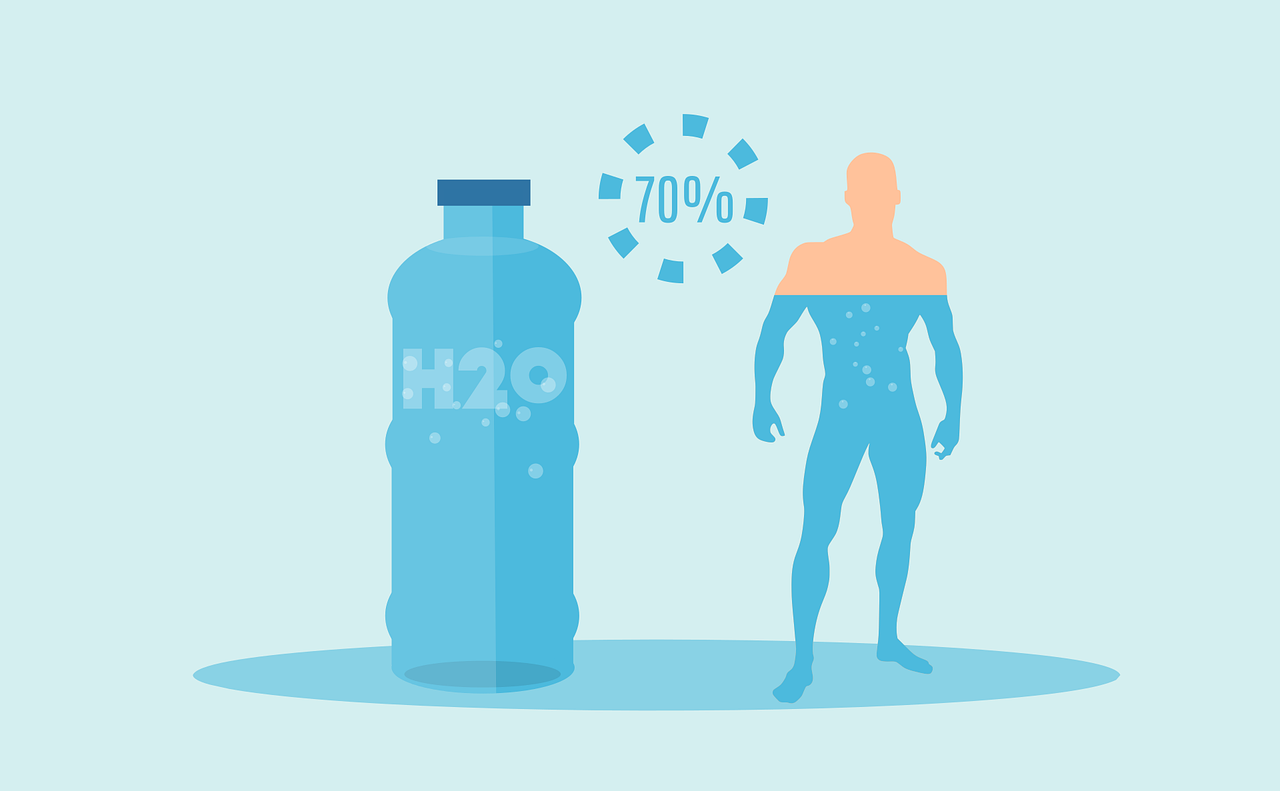
Hydration is an essential element influencing multiple components of health, particularly sleep quality. Maintaining optimal hydration levels can significantly affect sleep architecture, impacting the cycles of light and deep sleep. Various studies suggest that dehydration can hinder the ability to fall asleep and sustain restful sleep. Poor hydration may lead to an imbalance in body fluids, triggering physiological stress responses that can disrupt sleep patterns. Individuals might experience challenges like increased restlessness or frequent awakenings during the night. Interestingly, the connection runs deeper than mere hydration as a basic necessity. The body’s fluid balance plays a role in the secretion of hormones related to sleep. For instance, dehydration can influence melatonin levels, a hormone that regulates sleep-wake cycles. Additionally, a well-hydrated body supports essential functions such as temperature regulation, which is pivotal for falling asleep. Thus, creating a strategic hydration plan tailored to individual needs could enhance sleep quality. This holistic approach considers daily activities, climate, and personal hydration requirements to optimize fluid intake through beverages and food. Regularly consuming adequate fluids, especially water, acts as a foundation for overall health.
The Role of Electrolytes
Another vital aspect of hydration involves maintaining a balance of electrolytes, which are minerals essential for numerous bodily functions. Sodium, potassium, magnesium, and calcium are critical electrolytes that help regulate fluid balance and muscle function. Their influence extends to the nervous system, making them indispensable for sleep quality. Imbalances in electrolyte levels due to dehydration can lead to muscle cramps and restless leg syndrome, both of which can severely disrupt sleep. Moreover, electrolytes affect the body’s ability to retain water, making it essential to not only consume fluids but also replenish electrolytes through food or drinks. Consuming foods rich in potassium, such as bananas and avocados, can help support fluid balance. Additionally, incorporating natural electrolyte sources like coconut water into your diet can prove beneficial. For active individuals, sports drinks may be a tempting option; however, many contain high sugar levels that may disturb sleep. Instead, one should focus on a balanced diet rich in nutrients and fluids that adequately address both hydration and electrolyte needs to ensure that the transition into restful sleep is unencumbered.
Understanding the relationship between hydration and sleep can aid in developing personalized strategies for improvement. Keeping a hydration journal might help individuals track their daily water intake and assess how that correlates with their sleep patterns. Simple adjustments, such as increasing water consumption in the morning and reducing it closer to bedtime, can help mitigate nighttime awakenings due to a full bladder. Furthermore, staying hydrated throughout the day supports alertness and reduces fatigue, ensuring that individuals can wind down effectively at night. Paying attention to the body’s signals is crucial in determining optimal hydration levels. Symptoms like dizziness, dry mouth, or fatigue may indicate inadequate fluid intake. Incorporating a variety of hydrating foods can also play a significant role. Fruits and vegetables like cucumbers, watermelon, and oranges have high water content and contribute to overall hydration levels. Paying attention to personal preferences and making changes gradually can enhance adherence to a hydration strategy. Every individual is unique, so experimenting with different methods to find the best approach is essential to achieving a balance conducive to restful sleep.
Timing of Hydration
Timing plays a crucial role in optimizing hydration’s effects on sleep quality. Consuming fluids at strategic times can benefit sleep patterns significantly. For caregivers and individuals focused on improving their sleep, adhering to a schedule is imperative. Sipping water throughout the day keeps hydration levels stable and helps maintain energy levels. However, the strategy should shift in the evening. It is advisable to reduce fluid intake as bedtime approaches to reduce nocturnal bathroom trips, which can disrupt sleep cycles. Consider implementing a cutoff time for drinking fluids a few hours before sleep. Experts often recommend that individuals aim to keep their hydration strongest during the early parts of the day. This practice can prevent excessive fluid retention in the evening. Understanding personal habits and daily schedule variations will enable people to tailor their hydration timings effectively. It would be beneficial to establish a routine, associating fluid intake with meals. This routine helps ensure hydration while also minimizing disruptions during the night. Ultimately, mastering the timing of hydration can significantly contribute to improved sleep quality and overall well-being.
Another factor to consider regarding hydration strategies is individual variability. Each person’s hydration needs differ based on several parameters. These include age, weight, activity level, and even climate. People involved in high-intensity workouts or demanding physical activities must prioritize hydration to compensate for fluid loss from perspiration. Additionally, cultural and lifestyle factors can influence hydration practices. In some cultures, herbal teas or broths are commonly consumed during meals, contributing to hydration alongside solid food. Overall balance can be achieved through conscious choices regarding the beverages and foods consumed. Hydration should not be one-dimensional; rather, it should be integrated into daily routines. Seasonal changes can impose different hydration challenges; thus, adapting to varying needs, such as increased water intake during hot weather, is crucial. Acknowledging the signals of thirst and responding promptly can also make a difference. Staying attuned to body cues maximizes the benefits of hydration. By acknowledging individual needs and incorporating a diverse range of fluid sources, everyone can foster a fluid balance that supports optimal health and enhances sleep quality.
Impact of Caffeine and Alcohol
Caffeine and alcohol significantly affect hydration levels and, consequently, sleep architecture. Caffeine is a known stimulant that can interfere with the body’s ability to fall asleep and maintain restful sleep. Consumed in excess or too close to bedtime, caffeine can lead to prolonged sleep latency, which is the duration it takes to fall asleep. Understanding personal tolerance to caffeine is essential. Some individuals metabolize it rapidly, while others may be more sensitive. Tracking consumption can help individuals strategize better. Conversely, while alcohol initially promotes feelings of relaxation, it can lead to disrupted sleep patterns. Alcohol consumption can alter sleep stages and reduce the overall quality of sleep. Nighttime disturbances caused by hangovers can severely hamper restfulness. It is crucial for individuals to strike a balance when consuming both caffeine and alcohol, especially if seeking improved sleep. Potential strategies include limiting intake to earlier in the day and being mindful of quantities. Educating oneself on the implications of these substances on hydration and achieving quality sleep can lead to healthier choices regarding consumption.
Lastly, the link between hydration and sleep underscores the importance of fostering a comprehensive wellness approach. Focusing on hydration should culminate in an integrative strategy, checking in on overall wellness. Ensuring adequate hydration should coincide with other health practices such as balanced nutrition. Opportunities for improvement abound through simple lifestyle adjustments that carry significant benefits. For instance, embracing mindful consumption of fluids during the day promotes both hydration and overall body function. Moreover, combining hydration strategies with exercise can optimize both sleep and physical performance. Physical activity aids in regulating sleep patterns and reducing stress—all of which are conducive to better hydration practices. Tracking both hydration and sleep variables concurrently can help draw connections and develop further insights. Creating a supportive environment for sleep may involve addressing noise, light, or temperature while maintaining proper hydration levels. Ultimately, understanding fluid balance’s role in sleep can maximize daily energy levels and promote a healthier lifestyle. As individuals become more educated about these relationships, they can design actionable strategies to enhance their sleep quality through improved hydration.