
What is Sports Medicine and Why is it Important?
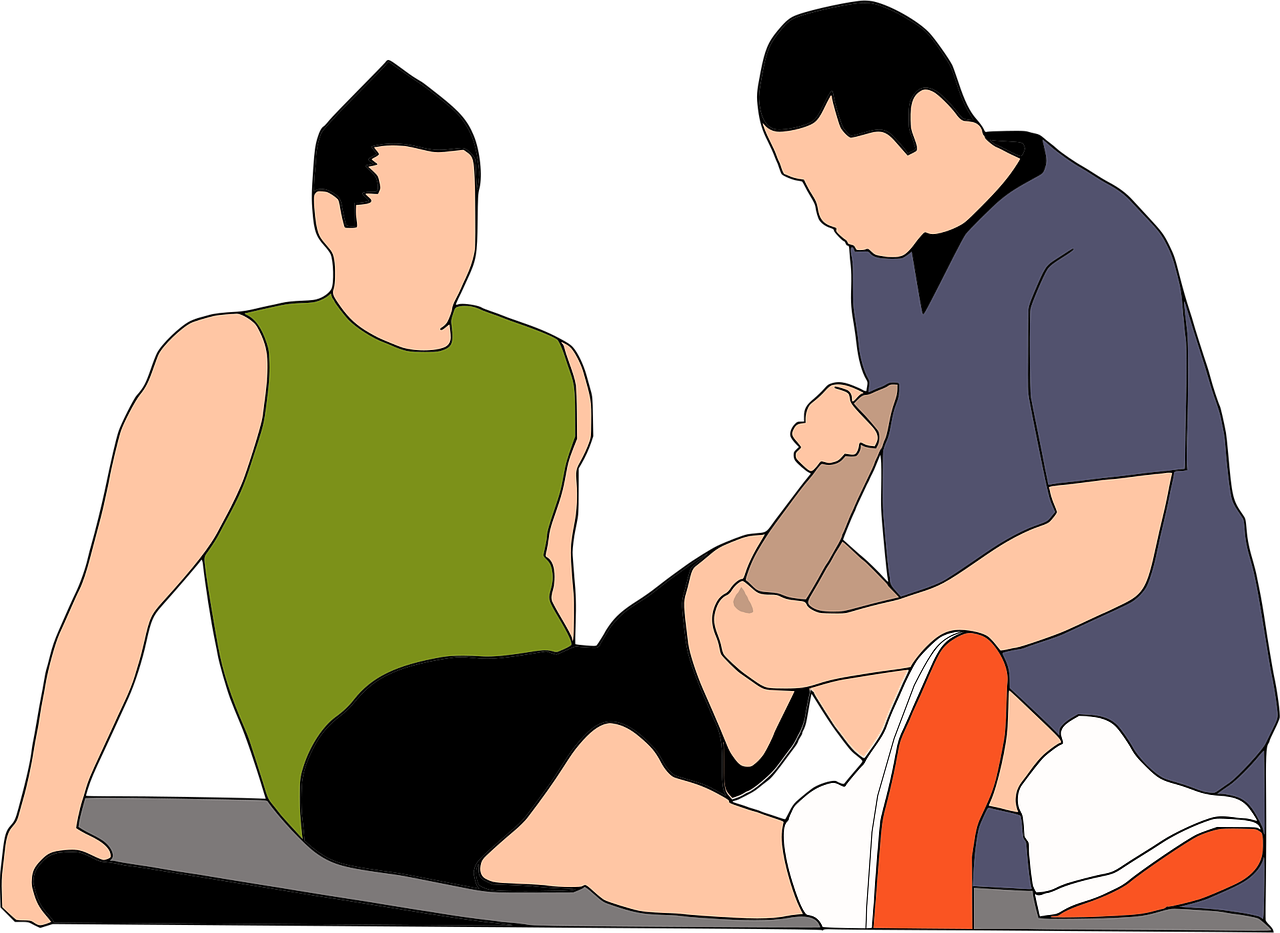
Sports medicine is a specialized field that focuses on the prevention, diagnosis, treatment, and recovery of athletes and physically active individuals. Its primary aim is to enhance athletic performance while ensuring the well-being of the individuals involved. Professionals in this field, including physicians, physical therapists, and trainers, work together to minimize injuries and aid in the rehabilitation process. Sports medicine encompasses a broad range of services, from injury management to nutritional advice aimed at athletes and recreational players alike. This interdisciplinary approach is essential for developing comprehensive treatment plans tailored to an individual’s needs. Awareness and understanding of sports medicine are vital to promoting a culture of health and wellness. Regular assessments can help identify potential risks and enhance performance through personalized training programs. In essence, sports medicine integrates various aspects of health care aimed at individuals engaged in physical activities. This means that, regardless of skill level, anyone can benefit from its practices. Insights offered by sports medicine pave the way for proactive measures to avoid injuries and improve overall fitness, making it an integral part of an active lifestyle.
One of the most common questions people have regarding sports medicine is the types of injuries it addresses. Sports medicine covers a wide array of injuries, including strains, sprains, fractures, and concussions. These injuries can occur due to overuse, improper training techniques, or lack of conditioning. For instance, a sprinter may suffer from hamstring strains, while a football player might experience concussions from collisions. Effective treatment often involves diagnosing the injury accurately first. Once diagnosed, a tailored rehabilitation plan is developed focusing on restoring function and strength. Physical therapy plays a significant role in this recovery process, and trainers also provide essential support through customized exercises. Additionally, sports medicine professionals offer guidance on injury prevention strategies, such as proper warm-up routines and strength training exercises. Understanding the nature of sports injuries allows athletes to recognize warning signs and seek timely help before minor issues become severe. This commitment to injury prevention ultimately supports athletes in performing at their best. In many cases, early intervention can expedite recovery, helping athletes return to their sport more quickly and safely.
The Role of Nutrition in Sports Medicine
Nutrition significantly influences an athlete’s performance and recovery, making it an integral aspect of sports medicine. A balanced diet provides essential nutrients for optimal functioning during physical activity. Sports medicine practitioners often emphasize the importance of macronutrients, such as carbohydrates, proteins, and fats, which fuel the body and aid in muscle repair. Proper hydration is also critical, as it facilitates various physiological processes essential for peak performance. Additionally, specific dietary approaches may be tailored according to the athlete’s sport, intensity of training, and individual nutritional needs. Certain supplements may be recommended, but it is essential to approach them carefully and only under professional guidance. A well-structured nutritional plan can assist athletes in maintaining energy levels, enhancing recovery times, and preventing fatigue. Moreover, educating athletes about healthy eating habits is crucial for ensuring that their dietary choices align with their performance goals and overall health. Enlisting the help of registered dietitians specializing in sports nutrition can further help athletes optimize their eating strategies while navigating various diets and nutrition trends effectively.
In addition to treating injuries and providing nutritional advice, sports medicine practitioners play a crucial role in mental health and well-being. Athletes often face immense pressure to perform, which can lead to stress, anxiety, and burnout. Understanding the psychological aspect of sports is vital for overall athlete health. Mental health professionals work alongside sports medicine teams to provide strategies for coping with the demands of competitive sports. Strategies may include stress management techniques and mental conditioning to enhance concentration during competitions. Building mental resilience is as important as physical conditioning, and athletes must learn how to deal with setbacks and performance issues. By addressing psychological barriers to performance, sports medicine helps athletes achieve a balanced approach to their physical and mental health. This comprehensive strategy allows athletes to sustain their competitiveness without sacrificing their well-being. Mental health support can also significantly reduce the risk of injuries caused by psychological factors. Ultimately, the integration of mental and physical training within sports medicine ensures more resilient, well-rounded athletes.
The Importance of Pre-Participation Evaluations
Before engaging in any sport, the significance of pre-participation evaluations cannot be understated. These assessments help determine an athlete’s physical readiness and identify any underlying health issues that may predispose them to injury. Evaluations typically include a comprehensive physical exam and medical history, along with specific evaluations tailored to the sport. By identifying risks earlier, coaches and trainers can take appropriate precautions to mitigate potential injuries. This proactive measure promotes safety and prepares athletes for the physical demands they face during competitions. Moreover, pre-participation evaluations can ensure that athletes are up to date with vaccinations, thereby reducing the likelihood of illness during the season. Encouraging regular evaluations fosters a culture of health awareness among athletes, helping them recognize the importance of their overall fitness. Additionally, these evaluations often serve as a screening tool to promote athlete longevity. Integrating pre-participation evaluations into a sports program reflects a commitment to athlete safety and performance enhancement. By focusing on these crucial assessments, sports medicine practitioners empower athletes to pursue their goals responsibly.
Another significant aspect of sports medicine is injury rehabilitation. After sustaining an injury, a structured rehabilitation plan is essential for restoring functionality and strength. This process often begins immediately following injury, focusing first on controlling pain and inflammation. Gradually, rehabilitation programs progress to include range of motion exercises, strength training, and sport-specific drills tailored to individual needs. This ensures a comprehensive approach to recovery and prepares the athlete for a successful return to their sport. Collaboration with physical therapists, trainers, and physicians allows for continuous assessment of progress and necessary adjustments to the rehabilitation plan. Throughout this process, communication between the athlete and healthcare providers is paramount, ensuring adherence to the prescribed protocols and setting realistic recovery goals. Rehabilitation is not merely about healing; it is also about preventing future injuries. Educating athletes about proper techniques and conditioning is essential for long-term success. By employing evidence-based practices in rehabilitation, sports medicine practitioners enhance the efficacy of recovery. Therefore, understanding the nuances of rehabilitation remains a cornerstone of effective sports medicine, ultimately leading to a healthier athletic population.
Future Trends in Sports Medicine
The evolving landscape of sports medicine continually highlights innovative practices and technologies that enhance athlete care. Emerging trends include the integration of data analytics and wearable technology to monitor performance metrics and physical stress during activity. These advancements allow trainers and physicians to tailor training programs with unprecedented precision, as they better understand each athlete’s unique response to training. Furthermore, advancements in rehabilitation techniques such as virtual reality and telemedicine offer athletes more flexible recovery options. These technologies encourage accessibility to high-quality information and treatment plans, especially for those who may have limited access to traditional healthcare services. The push towards preventative measures also emphasizes the need for educational programs that raise awareness about injury prevention strategies. By leveraging technology and education, the future of sports medicine seems poised to create a more resilient generation of athletes capable of achieving high performance sustainably. Additionally, as research in sports medicine continues to grow, further evidence-based practices will emerge. This trend emphasizes a commitment to prioritizing athlete safety and well-being throughout their athletic careers.
In conclusion, sports medicine is an essential discipline that bridges healthcare and athletic performance, ensuring all individuals engaging in physical activity can achieve their best while minimizing injuries. With a well-rounded approach that encompasses injury prevention, nutrition, mental health, and rehabilitation, a comprehensive understanding is crucial for athletes of all levels. Recognizing the critical role of sports medicine professionals and the services they provide helps foster a culture of wellness. Awareness of the various factors influencing athlete health encourages individuals to take proactive steps toward personal fitness. As the field continues to evolve, it remains vital for athletes and coaches to collaborate with sports medicine experts to navigate the myriad of challenges they will face. The pursuit of peak performance goes hand in hand with a commitment to health and safety, making sports medicine an integral part of any sports program. Comprehensive support from sports medicine professionals will not only aid recovery but will also help athletes prolong their careers and improve their overall quality of life. By embracing the principles of sports medicine, individuals can develop a profound understanding of their bodies, ultimately leading to healthier athletic experiences.