
Success Stories: Children Thriving Through Adaptive Fitness
Adaptive fitness programs significantly enhance the lives of children with disabilities. These unique fitness initiatives are designed to cater specifically to the varied needs of youth facing physical and mental challenges. By introducing age-appropriate exercises, children can improve not just their physical health but their confidence and social skills as well. Success stories illuminate the transformative journeys many of these children embark upon. For example, Maya was diagnosed with a muscular disorder, which limited her mobility and participation in mainstream sports. However, the introduction of adaptive fitness allowed her to connect with other children while engaging in fun, tailored activities. Schools and community centers are increasingly recognizing the importance of these programs, ensuring that every child has access to fitness, regardless of ability. The integration of adaptive fitness into school curriculums fosters inclusiveness and understanding among peers, breaking down barriers. Kids not only learn how to exercise but develop valuable life skills. As a result, communities that promote adaptive fitness cultivate an environment where all children feel valued and empowered.
Impact on Social Skills
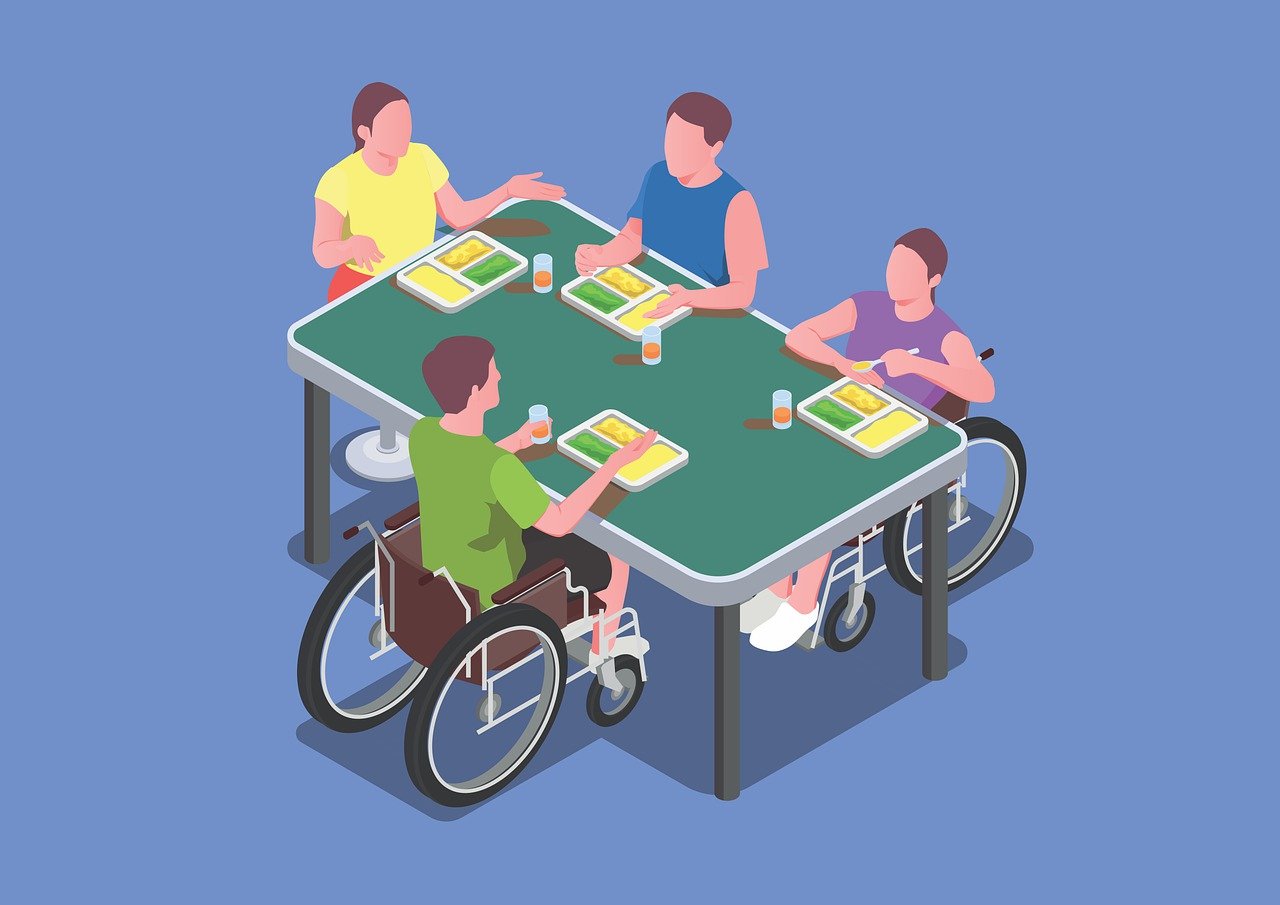
Participating in adaptive fitness enhances children’s social skills remarkably. These programs provide a platform where children with disabilities can connect with peers who share similar journeys. This interaction is vital as it builds friendships and promotes camaraderie. For instance, Lucas, who has autism, found a supportive community through adaptive sports. His confidence soared as he practiced teamwork and communication during activities like basketball. These social interactions often lead to lasting friendships, which contribute to overall well-being. Adaptive fitness helps reduce feelings of isolation that many children with disabilities experience. Activities are structured to encourage collaboration, fostering an environment of support and encouragement. As they learn new skills together, children develop empathy and understanding toward one another, breaking down stigmas associated with disabilities. Ultimately, these social benefits extend beyond the gym or sports field, positively influencing other areas of their lives, such as at school and home. Parents also report significant improvements in their children’s social interactions, showcasing the holistic benefits of engaging in adaptive fitness programs.
Physical health and fitness are critical for every child, especially those with disabilities. Engaging in regular adaptive fitness can mitigate health issues that arise from inactivity. A structured fitness routine allows children to enhance their strength, coordination, and endurance safely. For example, Ethan, who has cerebral palsy, demonstrated incredible growth in physical fitness through swimming adapted specifically for his needs. As he progressed, his newfound abilities sparked a sense of pride. Additionally, adaptive fitness encourages children to step outside their comfort zones. Each small achievement, such as completing a workout or trying a new activity, builds resilience and boosts self-esteem. Moreover, the exercises are tailored to ensure that children remain engaged, interested, and motivated. They learn that fitness can be fun, not a chore. Regular participation goes beyond immediate physical benefits, as many families notice improved overall mood and mental health in their children. As these kids develop a healthy lifestyle, they cultivate habits that could last a lifetime. Adaptive fitness serves to empower young athletes by proving that they can achieve their fitness goals regardless of their starting point.
Parent and Community Involvement
Community involvement in adaptive fitness programs cannot be overstated. These initiatives often thrive due to the support and active participation of parents and local organizations. Through volunteering, parents can help organize events, fundraise, and mentor children participating in adaptive sports. Involvement not only benefits the children but strengthens community bonds. For example, the local gym organized a fundraiser that allowed families to enjoy a day of fitness activities, raising funds for necessary adaptive equipment. This unity empowers families by making them part of a greater cause, enhancing their sense of belonging. Moreover, local businesses often sponsor these initiatives, demonstrating their commitment to inclusivity. The excitement within the community for adaptive sports creates an atmosphere of acceptance and motivation. These collaborations enable kids with disabilities to showcase their capabilities to the public. Exhibitions and competitions serve as significant milestones for their personal achievements. These events promote awareness along with appreciation for the talents of children with disabilities. Consequently, community engagement helps cultivate an environment that embraces inclusivity, fostering support for all children.”},{
Success stories in adaptive fitness highlight remarkable individual transformations. Take Olivia, for example; she started participating in adaptive yoga sessions, which considerably improved her focus and relaxation. Teachers noted marked improvements in her attention span at school. Her journey exemplifies how adaptive fitness isn’t solely about physical health but enriches mental well-being. It empowers children to cope better with daily stressors through movement. Additionally, these programs often teach coping strategies, as when Bella learned breathing techniques that helped her manage anxiety during tests at school. Engaging in a supportive environment, children share their feelings, fostering emotional intelligence. Aligning fitness with mental health creates enthusiastic advocates for healthy lifestyle choices among these young athletes. The concept of mental fitness is often overlooked, yet children report feeling happier and more equipped to handle everyday challenges after participating in adaptive sports. As they strengthen their bodies, they build mental resilience as well. The stories of Olivia and Bella resonate with countless families, showcasing profound changes that inspire hope. Through adaptive fitness, these young individuals become empowered advocates for themselves and others with similar challenges.
Looking Ahead: Future of Adaptive Fitness
As awareness around adaptive fitness grows, the future looks promising. More organizations are recognizing the need for tailored fitness solutions for children with disabilities. This increase in exposure brings fresh opportunities to expand existing programs. Growth in adaptive fitness leads to research into innovative strategies and diverse activities, broadening inclusivity. New technologies such as virtual reality and interactive fitness equipment are being integrated into adaptive programs. The aim is to create a more engaging and immersive experience for the participants. Moreover, educators are implementing adaptive fitness into school curriculums, ensuring the importance of inclusivity starts from a young age. This proactive approach will provide kids with access to adaptive fitness activities right from their school days. Additionally, collaboration among fitness trainers, therapists, and educators is essential to uphold a high standard of adaptive fitness. Holistic approaches consider both physical and emotional aspects of fitness, ensuring comprehensive growth for children. The journey of adaptive fitness is ongoing, and as communities band together, the potentials are limitless. Kids deserve the chance to thrive, showcasing their abilities and achieving their fitness dreams.
In conclusion, adaptive fitness programs play a transformative role in the lives of children with disabilities. These initiatives empower young athletes to overcome challenges and thrive physically, socially, and emotionally. Through community involvement, personalized training, and enduring success stories, the impact is clear. Families share heartfelt testimonials of growth, resilience, and connection. The commitment to promoting adaptive fitness exemplifies society’s progress toward inclusivity. Kids like Maya, Lucas, Ethan, Olivia, and Bella inspire change, showing that with the right support, anything is achievable. Adaptive fitness fosters not only physical health but lifelong friendships and mental resilience. Community support inspires hope and fosters acceptance among peers, ultimately changing perspectives. Schools embracing adaptive fitness initiatives are cultivating inclusive future generations that celebrate diversity. Every child should have the opportunity to thrive through adaptive fitness, becoming empowered and confident individuals. The future looks bright, with innovative solutions on the horizon. Adaptive fitness creates pathways where children can showcase their talents, achieving their fitness aspirations while enriching their lives. Let’s continue supporting these initiatives, ensuring all children can lead happy, healthy, and fulfilled lives through the power of adaptive fitness.