
Essential Gear for Senior Trail Runners
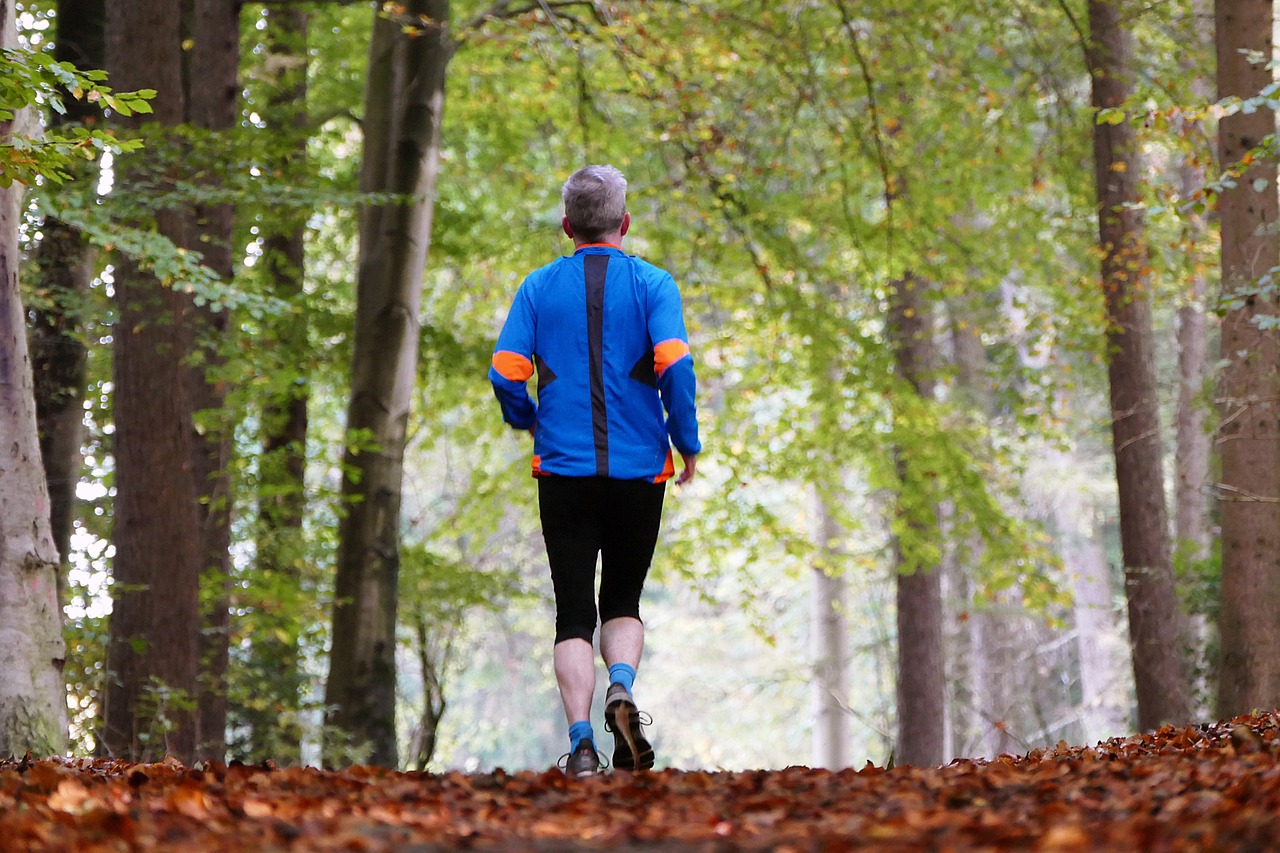
Trail running is an invigorating sport that offers many unique challenges and rewards. For seniors, who may have specific needs, having the right gear is crucial for an enjoyable and safe experience. First, a good pair of trail running shoes is essential. They should provide ample cushioning, traction, and support while maintaining comfort. Look for shoes with a wide toe box to accommodate any foot swelling that might occur during runs. Don’t forget to check the fit regularly, as your feet may change over time. Keeping sneakers well-maintained extends their lifespan as well. In addition to shoes, proper moisture-wicking socks can help prevent blisters and keep feet dry. Look for options made of synthetic materials that help in moisture management. Consider investing in compression sleeves as they aid circulation and reduce discomfort. Also, a lightweight, breathable running shirt can help regulate body temperature. Lastly, it’s vital to wear layered clothing to adapt to the varying climates encountered on trails. With these elements in place, seniors can enjoy their trail runs to the fullest.
Another essential item is a hydration system. Staying hydrated is crucial during lengthy runs, especially on warmer days. Pick a hydration pack or belt that allows hands-free access to water while preventing sloshing. Many models come with various pockets for storing nutrition and personal items, providing convenience. Additionally, having electrolyte tablets or sports drinks is advisable to replenish lost minerals. Safety gear plays an important role for trail runners. A good first-aid kit should include band-aids, antiseptic wipes, and pain relievers tailored for trail emergencies. A whistle can also be beneficial for emergencies, enabling quick communication if needed. Consider carrying a reflective vest or wearing bright colors for visibility, essential for safety and avoiding accidents, especially in low-light conditions. As trail conditions can vary, incorporating a pair of trekking poles can enhance stability and reduce strain on joints. They provide excellent support, particularly on steep descents. Don’t forget about sun protection; lightweight, breathable hats and sunglasses shield against harmful rays. Being adequately prepared makes the experience enjoyable and fulfilling for senior trail runners.
Clothing Choices for Comfort
Selecting suitable clothing is fundamental for a comfortable trail running experience. Opt for moisture-wicking, breathable fabrics designed for the outdoors. This helps prevent chafing and heat buildup during runs. Layers are particularly important when dealing with varying weather conditions on trails. Base layers help moisture management, while mid-layers provide insulation. An outer waterproof layer is essential for wet and windy conditions. Choose lightweight jackets that are easy to pack and wear. When running in cooler months, thermal leggings or tights are beneficial to keep muscles warm and reduce the risk of injury. Additionally, gloves and headbands improve comfort and warmth for cold-weather runs. As sensitivity to temperature may increase with age, having quality thermal gear can make a significant difference in enjoyment levels. Likewise, finding shoes with uppers that are windproof may help keep runners warm on colder days. It’s important to test out clothing during training runs to ensure comfort and prevent irritation during longer runs. For seniors, moving comfortably and freely can enhance performance on the trails.
Nutrition is another vital aspect of preparing for long trail runs. Trail runners need to ensure they consume enough carbohydrates for energy and protein for muscle recovery. Options like energy gels or bars provide quick energy boosts and are easy to carry. Additionally, whole fruit, like bananas or apples, offer natural energy. Plan nutrition ahead of time and bring snacks that are easy to digest and pack. Packing small, resealable bags with nuts and dried fruits can also come in handy on the trail, offering sustained energy while providing essential nutrients. Avoid experimenting with new foods right before a long run, as maintaining a stable digestive system is important. After the run, focus on refueling with a balanced meal or protein shake to aid recovery effectively. Staying aware of individual needs regarding dietary restrictions ensures the right food choices are made. Tracking energy levels during runs can inform adjustments to meal plans, optimizing running routines. Prioritizing nutritious intake is part of the essential gear senior runners should consider.
Fitness Tracking
Using technology for fitness tracking can significantly enhance a senior’s trail running experience. Devices like smartwatches or fitness bands help monitor heart rate, tracks distance, and calories burned. Understanding one’s body through tracking metrics can boost motivation and effort levels. These devices often feature GPS, making navigation in new trails easier and safer. In addition, they can provide alerts when it’s time to replenish hydration or fuel. Some models also have fall detection alerts, which can be pivotal for safety while running alone. Another beneficial tech piece is smartphone apps that deliver route planning and community insights. Many apps connect runners, making it easier to share experiences, tips, and trail maps with others. Community engagement can help seniors feel more motivated and involved in the sport. Keeping track of trail maps can reduce the chances of getting lost. Hotels or campsites close to running trails often provide helpful maps as well. Thus, having tech allows seniors to enjoy an improved trail running experience through monitoring, navigation, and community support.
It’s essential to consult with a healthcare professional before starting a trail running regimen, especially for seniors. An effective starting plan should consider personal fitness levels, any pre-existing conditions, and age-related factors affecting endurance. Gradual acclimatization to trails will help avoid injuries and maintain enthusiasm for the sport. Ensuring proper warm-up and cool-down exercises will enhance flexibility and muscle recovery. Runners over 60 should especially focus on stretching post-run to minimize tightness and soreness. Resources like online fitness platforms offer tailored workouts, which can be beneficial for senior trail runners. Cross-training can help build strength while reducing the risk of overuse injuries. Gentle yoga or swimming are excellent complements to running, fostering balance and stability. Finding a running buddy or joining local clubs can also add layers of accountability and motivation. A supportive community helps foster positive experiences through shared challenges and success. Exchanging knowledge and experiences within running groups can lead to improved techniques and skills, ultimately enhancing the enjoyment and longevity of participating in trail running.
Final Thoughts on Trail Running for Seniors
Ultimately, senior trail runners need to focus on gear that enhances comfort, safety, and enjoyment. This comes from combining proper footwear, hydration systems, and clothing choices, ensuring that all essential elements are covered. Choosing running paths suited to individual fitness levels can also lead to better experiences. Staying adaptable to changing weather conditions and aware of physical limitations aids in safer trail running adventures. The sense of community established through running clubs or social connections greatly affects motivation and overall enjoyment in the sport. Consider leveraging the effects of technology to enhance safety and tracking aspects, allowing for a more enjoyable experience. By prioritizing health and wellness alongside trail running pursuits, seniors can engage in a fulfilling physical activity that boosts both physical and mental health. Always listening to your body is crucial for a sustainable approach to running. Pacing yourself and consistently reassessing personal goals can lead to tremendous achievements on the trail. Embrace the journey on scenic trails while continually cherishing the health benefits associated with running outdoors.
The final section of our gear emphasis focuses on recovery aspects. Having the right equipment not only enhances performance but also aids in quicker recovery after running. Utilizing foam rollers or massage balls can relieve muscle tension and soreness, facilitating recovery post-run. Scheduling regular rest days allows muscles to recover effectively, promoting better performance on future runs. Seeking professional strength conditioning or coaching focused on age-specific offerings can also lead to injury prevention and increased effectiveness in workouts. Finally, tracking progress in your running journey will foster motivation and the achievement of personal milestones. A well-rounded approach to trail running ensures a cohesive experience driven by safe practices and sufficient recovery efforts. This knowledge equips seniors to enjoy trail runs more responsibly and enthusiastically while celebrating the outdoors and vibrant landscapes. By combining all these factors, senior trail runners can create a holistic routine that fosters enjoyment and well-being on the trails.