
Backcountry Skiing Photography: Capturing the Untouched Wilderness
Backcountry skiing offers photographers breathtaking opportunities to capture the raw beauty of nature. The untouched snow, rugged mountains, and expansive wilderness provide a stunning backdrop for any photographer. It’s essential for photographers venturing into backcountry terrains to be well-prepared so they can focus on capturing those awe-inspiring moments. This preparation includes researching locations, understanding the snow conditions, and obtaining the necessary permits. Photographers should also consider their equipment, ensuring to carry lightweight gear while still maintaining image quality. Proper attire is another consideration; dressing in layers can help manage varying temperatures effectively during the shoot. Developing an eye for detail can make a significant difference in photography, especially in such vast landscapes. Look for unique snow patterns and interesting light forms that emphasize the environment. Lastly, patience is crucial. Waiting for the perfect light can yield spectacular results, where shadows and highlights create dramatic, breathtaking images.
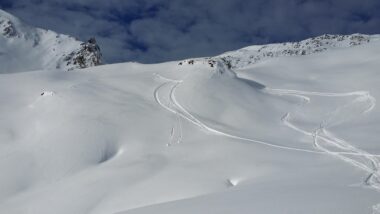
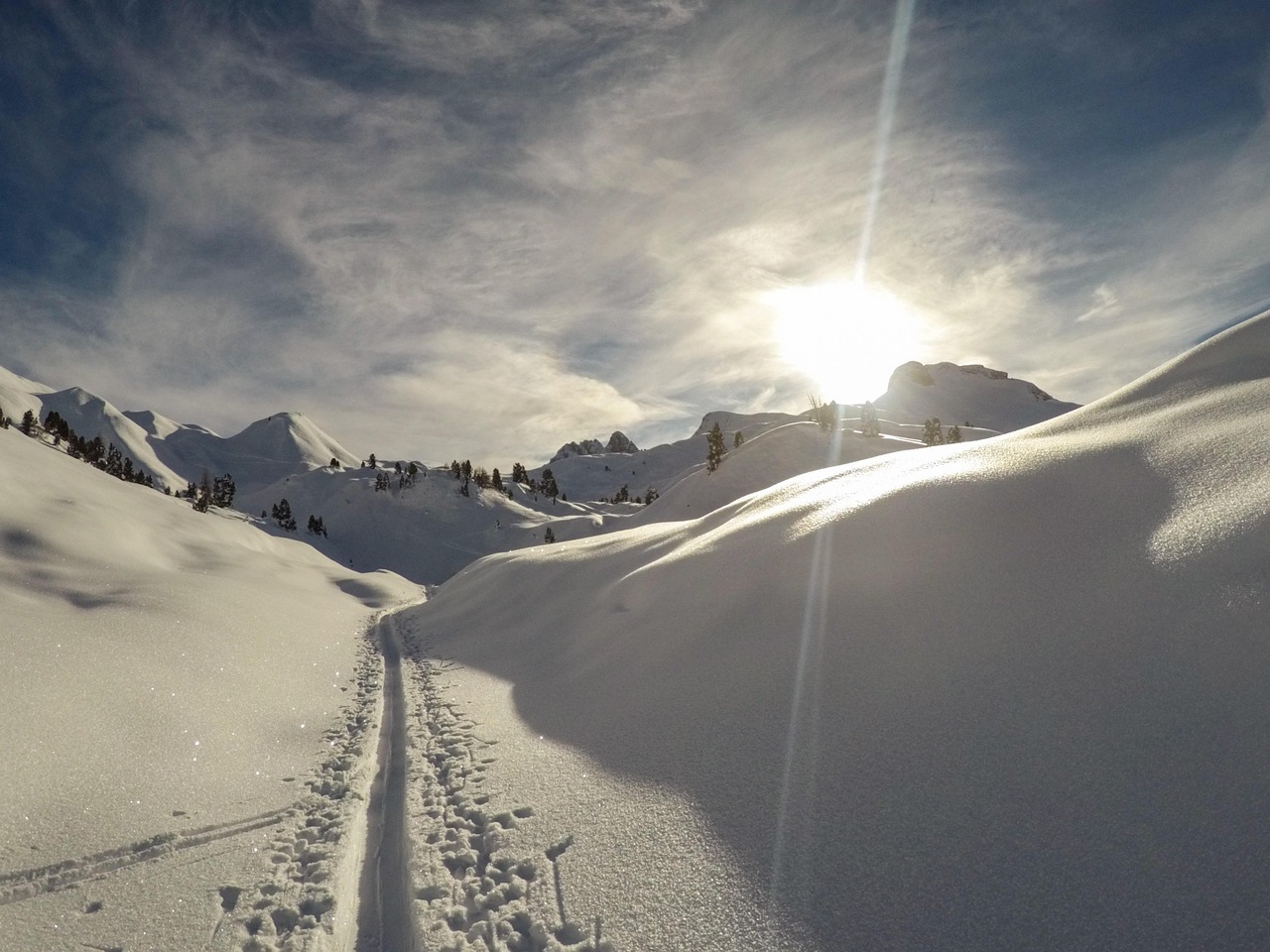
As you explore the world of backcountry skiing, understanding composition and lighting can elevate your photography. Backcountry locations often present diverse challenges like rapidly changing weather conditions that affect light quality and visibility. Early mornings or late afternoons tend to deliver the best light, with softer shadows and warmer tones enhancing the overall atmosphere in photographs. Utilizing the rule of thirds can help create more striking images; position key points of interest along these lines for a more dynamic effect. Be mindful of your vantage point too; shooting from a lower angle can highlight the expansiveness of the terrain, making for powerful visuals. Moreover, playing with foreground elements like ski tracks can lead to more engaging compositions. Consider the use of leading lines as well to guide the viewer’s eye into the scene. Capturing the solitary skier amidst vast wilderness can evoke a sense of adventure. Also, utilizing negative space effectively can emphasize the scale and beauty of the surroundings.
Essential Gear for Backcountry Photography
Choosing the right photography gear for backcountry skiing is crucial for success. Start with selecting a lightweight, weather-resistant camera body that can withstand the elements encountered on the slopes. A versatile zoom lens, ranging from wide-angle to standard, allows for various compositions, capturing expansive landscapes as well as close-ups. A sturdy tripods can provide stability, ensuring sharp images in low-light conditions, though it should be lightweight enough to carry comfortably. Extra batteries are necessary because cold weather can reduce battery performance dramatically. Also, carrying multiple memory cards ensures that you won’t run out of space during crucial moments. A protective case for your gear is vital, safeguarding your equipment from snow and moisture. A polarizing filter can be advantageous, reducing glare from the snow and improving color saturation in your images. Always dress appropriately, selecting layers that keep you warm and dry, to comfortably spend hours in the field focusing on photography. Comfort is key in capturing stunning shots.
Post-processing plays a significant role in enhancing backcountry photos. After your adventure, it’s important to take time to edit your images thoughtfully. Utilize editing software that allows you to adjust exposure, contrast, and color balance effectively. A subtle increase in saturation can bring out the vividness of the natural surroundings without overdoing it. Cropping can improve compositions by centering the key subjects and enhancing the overall image impact. Don’t forget about sharpening your images; it can help make details pop, particularly in areas like snow texture and mountain ridges. If applicable, consider converting select images to black and white to create a timeless feel that emphasizes shapes and forms. Additionally, applying a noise reduction can smooth out any graininess captured in low-light settings. Using techniques such as dodging and burning can enhance the depth and dimensionality of your images, allowing highlights and shadows to have greater impact. Take your time during editing; quality photos deserve the effort to shine effectively.
Sharing Your Backcountry Adventures
Once your backcountry skiing photos are ready, sharing them becomes an important part of the process. Social media platforms such as Instagram and Facebook present excellent opportunities to showcase your work, allowing you to connect with a broader audience. Captions can significantly enhance viewer engagement; sharing your experiences or brief anecdotes related to the images can add depth and encourage interaction from followers. Joining specialized online communities like photography forums can also provide valuable feedback from fellow enthusiasts. Having your portfolio or blog can help showcase your adventure stories and photography, offering a platform to share tips with others. Consider entering photography contests or exhibitions dedicated to outdoor and adventure photography to gain recognition. Networking with other outdoor enthusiasts can lead to potential collaborations, further amplifying your reach and experience. In addition, don’t forget to create experiences for your audience by sharing behind-the-scenes content: settings, gear choices, and lessons learned. This transparency not only builds trust but also inspires others to embark on their backcountry adventures.
Ethics in backcountry skiing photography should not be overlooked. Respecting nature and the environment is vital to preserve the breathtaking landscapes photographers seek to capture. This includes following Leave No Trace principles, which advocate for minimal impact in the wilderness. Being considerate of local wildlife while photographing is crucial; maintaining a safe distance and avoiding disturbance to their habitats should always be a priority. Similarly, if you are skiing in areas frequented by others, being mindful of established trails and maintaining safe distances is important. Adhering to area regulations and guidelines ensures continued access for future adventurers. Engaging with local communities and understanding their conservation efforts can also enrich your experience. Advocating for responsible skiing and encouraging others to do the same fosters a supportive culture. By promoting awareness about the impacts of backcountry skiing, photographers can contribute to preserving the environment, ensuring it remains a spectacular resource for aspiring skiers and photographers for generations to come. Aim to inspire others to appreciate and respect the wilderness in your imagery.
Conclusion: The Beauty of Backcountry Skiing
Backcountry skiing photography offers a unique opportunity to immerse oneself in nature while capturing stunning visuals. Through careful preparation, excellent gear selection, and ethical practices, photographers can create breathtaking images that showcase the beauty of untouched landscapes. The importance of understanding composition and lighting cannot be overstated; these factors contribute greatly to the emotional impact of a photograph. Engaging in post-processing can turn a good photograph into an exceptional one, enhancing the natural beauty you captured. Sharing your work with the community and inspiring others goes hand in hand with creating art that reflects your experiences. Prioritizing environmental respect is not only essential for sustainability but also enriches the journey as a photographer. Combining the thrill of adventure with the art of photography in backcountry skiing creates a rewarding experience. With every click of the shutter, photographers capture not just images but also the essence of exploration, connection, and appreciation of the wilderness. Embrace the challenges and enjoy the immense beauty awaiting your lens.
Ultimately, backcountry skiing photography is about seizing opportunities in the wild. The spirit of adventure, coupled with technical skills and artistic vision, leads to exceptional images that depict the serenity and untamed beauty of nature.