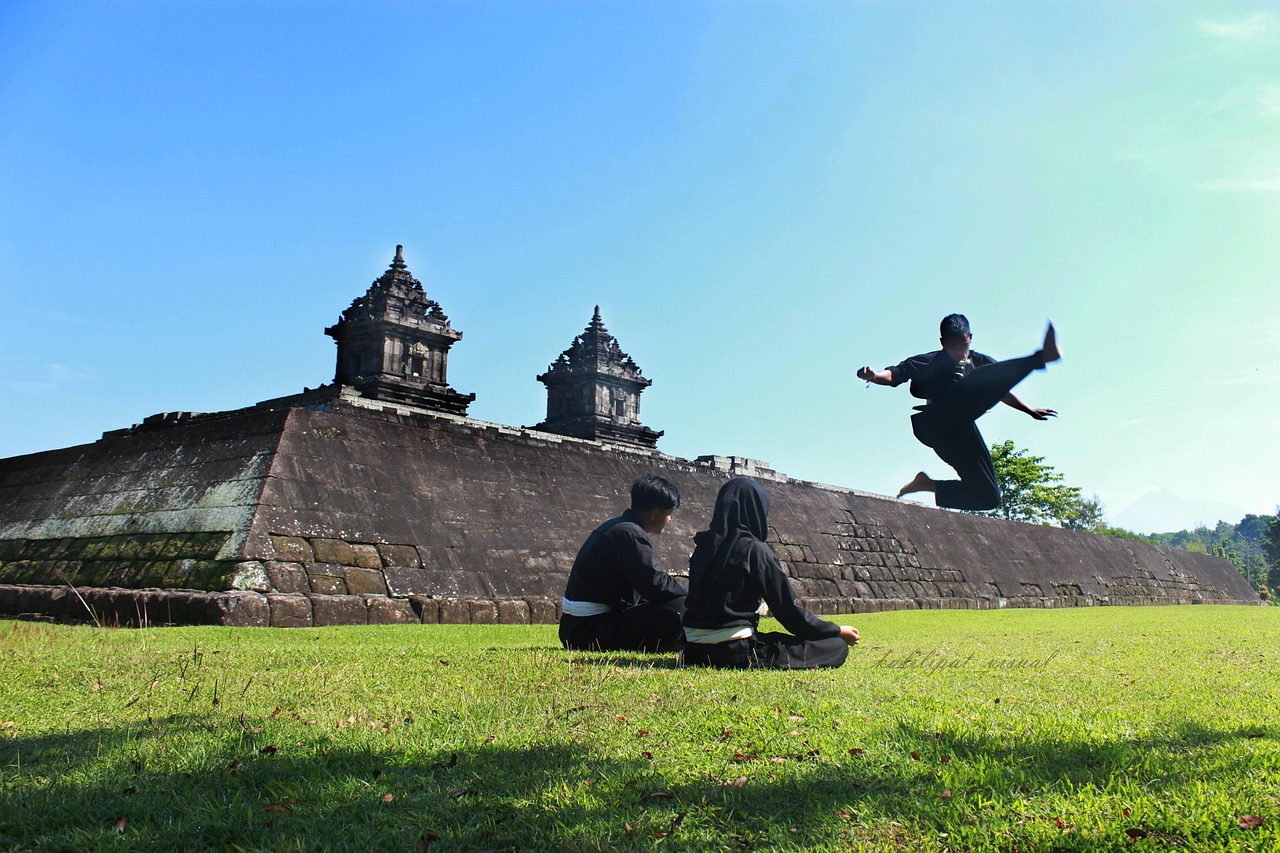

The Philosophy Behind Silat Martial Art
Silat is not merely a physical form of self-defense but embodies a rich philosophy that emphasizes respect, discipline, and inner peace. Originating from Southeast Asia, particularly Indonesia and Malaysia, Silat integrates martial techniques with spiritual practices. It teaches practitioners that true strength comes from understanding oneself and finding balance in life. At its core, Silat encourages individuals to cultivate not only their physical prowess but also their mental and emotional resilience. The principles of Silat, including harmony, adaptability, and respect for nature, reflect a profound connection to cultural values. Students of Silat often find themselves engaging deeply with the traditions surrounding the art, learning the historical context while developing their skills. Respect for instructors and fellow students fosters community ethics, enhancing interpersonal relationships. As participants advance in skill, understanding the philosophy behind their movements becomes essential. Silat practitioners learn the importance of patience and humility, recognizing that mastery requires continuous commitment. This ongoing personal journey resonates through every aspect of life, echoing the belief that the practice of Silat extends beyond the dojo into everyday interactions and personal growth.
The Core Values of Silat Philosophy
Central to the philosophy of Silat are values such as respect, honor, humility, and perseverance. These values shape the character of every practitioner. Respect is fundamental in Silat, not only for oneself but also for instructors, students, and the martial art itself. Honor entails adhering to ethical principles, where practitioners strive to act in a way that reflects positively on their training and community. Humility is crucial, fostering an attitude of openness to learning. Even the most skilled fighters recognize they can improve and learn from others. Perseverance in the face of challenges is a recurring theme in Silat training. Students frequently undergo rigorous routines that test their physical limits, teaching them to overcome difficulties through dedicated practice. The concept of balance plays a pivotal role as well, illustrated through the intricate movements that characterize Silat techniques. Mastery requires synchronizing mind and body, which transcends mere martial performance, allowing for introspection and personal development. The spirit of Silat urges its practitioners to continually engage with these core values in all areas of their lives, promoting a holistic approach to personal development.
Another significant aspect of Silat’s philosophy is the connection between physical movement and mental awareness. Practitioners learn to be fully present during practice, cultivating mindfulness as a critical component of their training. This mindfulness not only enhances performance but also fosters a sense of tranquility and focus. Each technique practiced in Silat, from the fluid motions to the defensive postures, serves as a form of meditation in motion. By immersing themselves in the rhythm of their movements, students train their minds to remain calm and composed, essential qualities both on and off the mat. Moreover, Silat often encourages practitioners to engage in reflective practices, such as journaling or dialogue with their peers, which deepens their understanding of their physical practice. Exploring the interconnectedness of body, mind, and spirit, Silat teaches that true mastery requires introspective work. Ultimately, this self-awareness equips practitioners with valuable skills to navigate life’s complexities, enhancing not only their martial capabilities but also their emotional intelligence. Through this comprehensive training, Silat practitioners may find a greater sense of purpose and fulfillment in their lives.
Cultural Significance and Community of Silat
The philosophy behind Silat is deeply intertwined with its cultural significance and community dynamics. Each style of Silat is often reflective of the unique history and culture of the regions from which it originates, including Java, Sumatra, and the Malay Peninsula. This cultural richness imparts upon students a sense of identity and belonging within the global martial arts landscape. Silat practitioners are frequently seen as ambassadors of their culture, carrying forward traditional values and practices. The community aspect of Silat training fosters strong bonds and mutual support among students. Regular training sessions often facilitate camaraderie and the exchange of knowledge, where experienced practitioners mentor newcomers. Through this collaborative learning environment, students develop not only technical skills but also life-long friendships. Festivals, competitions, and cultural events celebrating Silat serve to unify practitioners and promote the sharing of styles and techniques. Through these communal experiences, the philosophy of Silat takes root, growing within individuals and passing from one generation to another. It exemplifies the essence of shared knowledge, fostering a deeper understanding of personal journeys through martial arts.
Moreover, the strategy involved in Silat emphasizes adaptability and resourcefulness. Practitioners learn to read their opponents and adjust their techniques accordingly, mirroring life’s unpredictable nature. This adaptability is essential in cultivating not only effective fighting skills but also critical thinking and decision-making abilities. Silat practitioners are encouraged to think outside the box, solving problems creatively through their movements. As they practice various combinations of strikes, blocks, and counterattacks, they begin to realize that flexibility in technique mirrors flexibility in mindset. Embracing change and unpredictability becomes a philosophy not just in martial arts but in everyday life. This profound relationship between martial strategy and real-life applications helps practitioners develop confidence. Facing their fears becomes less about physical confrontation and more about confronting life’s challenges with poise. By training to adapt within the context of Silat, individuals enhance their resilience and fortitude. This philosophy encourages students to approach obstacles as opportunities for growth, instilling a mindset of continual learning. Ultimately, this adaptability leads to personal empowerment, allowing practitioners to navigate various life circumstances with greater ease.
The Journey of Self-Discovery Through Silat
Practicing Silat is often depicted as a journey of self-discovery, where the physical acts become tangible expressions of an individual’s inner transformation. As practitioners engage with the intricate movements, their skills grow in tandem with their self-awareness. This journey is not merely about mastering techniques but also about understanding one’s motivations and emotions. Through challenging training, students confront their fears and doubts, leading to profound realizations about themselves and their capabilities. Each strike or defensive maneuver becomes a metaphor for overcoming life’s challenges. The process encourages individuals to refine not just their physical abilities but also their approach to personal setbacks. For many, Silat serves as a therapeutic outlet, providing relief from stress and anxiety. The rituals involved in training cultivate emotional release, promoting wellbeing. Beyond physical health, practitioners may discover new dimensions of self-confidence and assertiveness. The art encourages exploration of identity, as practitioners gain insights into who they are and aspire to be. As students progress, they often find wisdom in their experiences, contributing not only to their martial arts journey but also to their holistic development.
In conclusion, the philosophy behind Silat Martial Art is multifaceted, extending beyond combat techniques to encompass principles of personal growth and community values. By integrating respect, adaptability, and a commitment to lifelong learning, Silat provides practitioners with the tools to navigate both martial and everyday challenges. The emphasis on mindfulness cultivates emotional resilience, while the cultural significance enhances connections among practitioners. As individuals journey through their Silat training, they learn valuable lessons in humility and perseverance. Ultimately, Silat becomes a path towards self-discovery, personal empowerment, and community unity. Practitioners not only develop combat skills but also cultivate a deeper understanding of themselves and the world around them. This philosophy encourages a lifework approach to martial arts, making it a meaningful practice for those willing to engage fully with its teachings. For many, Silat is not just about self-defense, but also about transforming oneself into a more complete human being. The legacy of Silat continues to inspire new generations, making its philosophy relevant in contemporary society.