
Choosing the Right Calisthenics Shoes for Different Training Surfaces
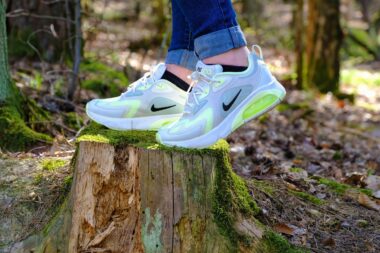
When engaging in calisthenics, selecting the right footwear becomes a critical factor for both performance and safety. The surface on which you train, whether it is grass, sand, or a gym floor, plays a crucial role in determining the best type of shoes to wear. Training on softer surfaces often requires shoes that provide superior grip and cushioning. This is due to the uneven ground which can lead to slips if the proper support isn’t available. For outdoor workouts, consider shoes that are specifically designed for traction on grass or dirt. Always ensure they have a flexible sole that allows for natural foot movements.
If you primarily train indoors, particularly in gyms with specialized flooring, shoes that offer flat soles can promote better balance and stability. These types of shoes assist in maintaining a strong connection with the ground, which is essential for bodyweight exercises. In such scenarios, lightweight trainers that provide adequate support but don’t restrict movement are highly beneficial. Additionally, look for shoes that have breathable materials to keep your feet comfortable during long training sessions. Designs that offer arch support can be advantageous for reducing fatigue and avoiding injuries.
In contrast, if your training frequently occurs on rugged terrains like trails or rocky paths, investing in trail running shoes or cross-trainers is highly advisable. These shoes are engineered to handle rough surfaces, offering enhanced grip and durability. Look for shoes with reinforced toes and robust outsoles to withstand the challenges posed by uneven ground. Equally important is cushioning that absorbs shock, which can alleviate strain on your knees and joints during intense workouts. Therefore, understanding your training environment maximizes performance while ensuring a safe workout experience.
Understanding Shoe Features for Calisthenics
Additionally, familiarizing yourself with various shoe features can greatly elevate your calisthenics training experience. For instance, the shoe’s weight impacts agility and speed, particularly during dynamic movements. Lighter shoes allow for quicker transitions between exercises, enhancing your overall workout efficiency. However, be mindful that sacrificing support for weight can lead to discomfort or injury, so seek a balance that meets your performance needs. The flexibility of the shoe is also a major consideration, as shoes that bend and move with your foot accommodate various exercises without constraining motion.
Moreover, the material of the shoe can significantly affect its performance attributes. Shoes made from synthetic materials often provide better moisture-wicking properties, keeping your feet drier. Natural fabrics tend to allow for greater ventilation, helping to keep your feet cool. Consider a mix of materials to get the best of both worlds. This is especially important for calisthenics, where feet are frequently shifting positions and must maintain grip. Properly designed shoes help reduce any slippage while maximizing comfort throughout a workout. Ensure to try on different styles to find the best fit.
Another crucial aspect to evaluate is the shoe tread, which varies in design based on the intended use. Treads with deeper grooves are especially beneficial for outdoor conditions as they improve traction on uneven surfaces. If you’re transitioning between gym workouts and outdoor sessions, look for a versatile shoe that possesses a suitable tread pattern for both environments. Having the right footwear not only aids in performance but also provides a psychological edge as you feel more confident during workouts. Always prioritize safety along with efficiency when selecting suitable calisthenics shoes.
Conclusion: Making Your Choice
Ultimately, the choice of calisthenics shoes can greatly influence your training experience. Once you determine your primary training surfaces, consider the specific features that can enhance your workouts. Whether it’s flat soles for indoor gym work or rugged treads for outdoor training, selecting the right pair ensures improved performance and safety. Invest time in researching various options, and prioritize trying on shoes before making a purchase to evaluate for comfort and support. Keep in mind that the perfect pair will not only fit well but also accommodate your unique foot shape and training style.
In conclusion, understanding your environment and personal preferences is vital when choosing calisthenics shoes. From proper grip to cushioning, every aspect plays a role in achieving your fitness goals. Don’t hesitate to consult reviews and reach out to fellow calisthenics enthusiasts for recommendations. Gaining insights can aid in making a more informed decision, ensuring the shoes you choose will support your fitness journey. Invest in quality and remember, investing in the right footwear is investing in your health and performance. Enjoy every workout by feeling confident in your shoe choice!