
Meal Timing for Volleyball Training Days
Proper nutrition is crucial for volleyball athletes to perform at their peak. One essential aspect of nutrition is meal timing, particularly on training days. The timing of meals can significantly affect energy levels, recovery, and overall performance during training sessions and games. Ideally, athletes should plan meals around their training schedules, allocating adequate time for digestion and energy use. Meals consumed before training should focus on providing carbohydrates for immediate energy, while also incorporating protein to support muscle function. It is suggested to eat a balanced meal approximately three to four hours before training to ensure optimal energy availability. In this meal, include a mix of whole grains, lean protein sources, and healthy fats. Coach dietary habits can be helpful; athletes should also familiarize themselves with their individual response to different foods and timings. Also, post-training meals are equally important to refuel and recover quickly. These meals should emphasize protein and carbohydrates to replenish glycogen stores, promote muscle recovery, and prepare the athlete for the next training session. Recommendations include nutrient-dense foods to enhance overall health and performance.
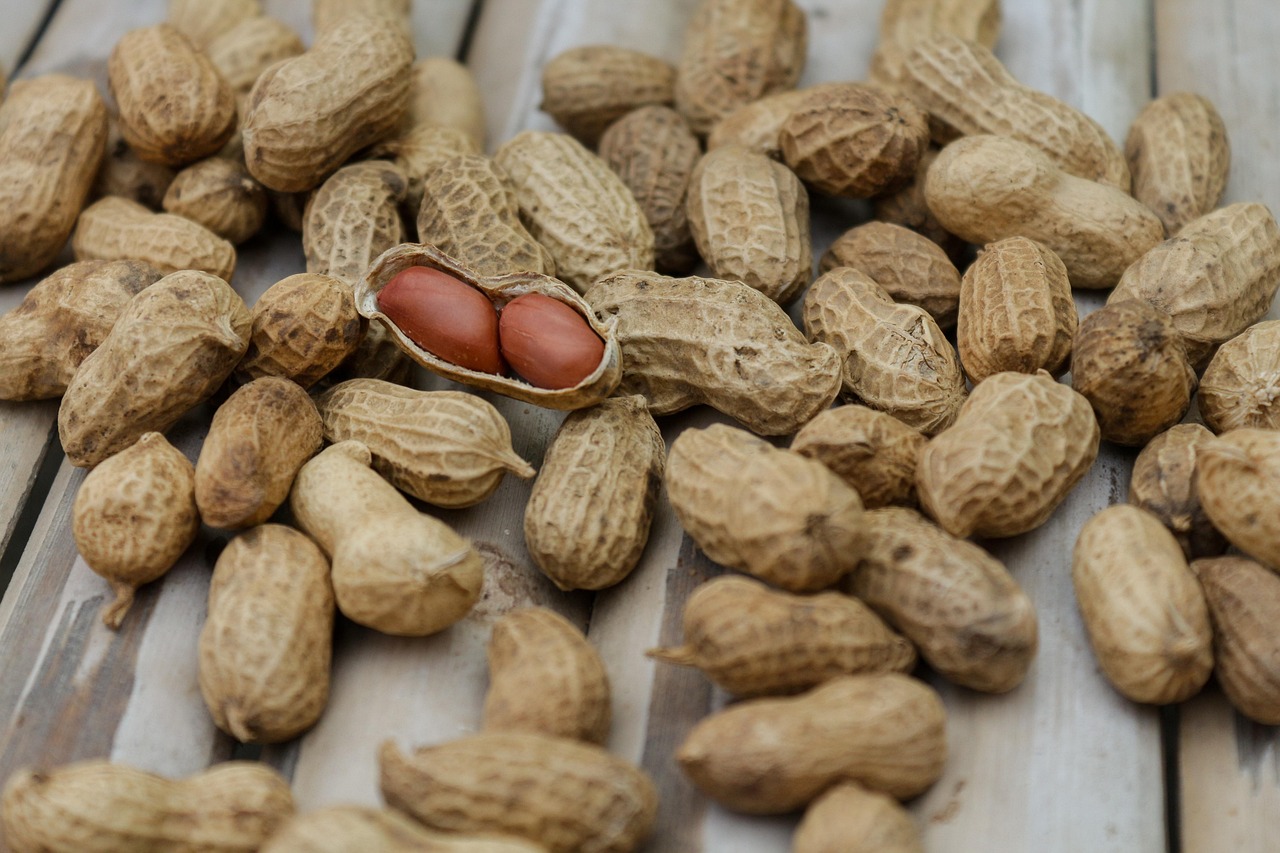
Another critical aspect is considering snack timing during training days. For athletes with packed schedules, quick snacks can help maintain energy without causing digestive discomfort. Consuming a snack 30 to 60 minutes before training can boost energy levels effectively. Ideal pre-training snacks should be nutrient-dense and easily digestible. For example, options can include a banana with a small scoop of peanut butter, a granola bar, or yogurt with berries. Keeping these snacks low in fiber and fat ensures athletes avoid gastrointestinal distress during exercises. It’s essential to stay hydrated on training days, as dehydration can severely impact performance and recovery. Athletes should drink water consistently throughout the day and supplement hydration with electrolyte drinks during intense training sessions. Furthermore, the post-training recovery meal should occur within 30 minutes to two hours of finishing the workout. This timeframe is crucial for maximizing recovery through the consumption of high-quality proteins and carbohydrates. Incorporating smoothies, shakes, or whole-food meals can help speed up recovery and prevent soreness. Monitoring recovery and adjusting nutrient intake is vital as athletes progress through their training regimens.
Focus on Nutrient Timing
Understanding the concept of nutrient timing can immensely benefit volleyball players by optimizing their energy supply and recovery processes. During periods of intense training, athletes should emphasize carbohydrate intake to fuel their workouts adequately. Carbohydrates should be strategically consumed before, during, and after training sessions to maximize energy stores. For optimal energy levels, timing is essential; consuming simple carbohydrates before or during training offers a quick energy supply. Examples include energy gels, sports drinks, or fruit like bananas. After training, it’s important to replenish glycogen stores effectively, so complex carbohydrates combined with protein sources are ideal to facilitate recovery. This balance aids in repairing and building muscle tissue, enhancing overall performance. Moreover, engaging in strategic meal planning ensures athletes to have these needed nutrients readily available based on their training schedules. Alongside carbohydrates and proteins, healthy fats play a role in overall nutrition but should be consumed in moderation, especially pre-training. Staying cautious about the types of fat is important while balancing macronutrients throughout the training days to ensure that energy levels are constant.
When it comes to hydration, understanding its timing before and after meals is critical for athletes. Dehydration can hinder performance, leading to fatigue and muscle cramps. Athletes should begin hydrating the day before training and maintain fluid intake throughout the day. Aim for consistent hydration rather than chugging large amounts at once. Drinking water rather than sugary drinks is recommended, as this helps maintain hydration without unnecessary calories. During training, electrolyte-rich drinks can replace lost minerals, especially in intense sessions. Athletes should also consider individual sweat rates as some may require additional electrolyte intake, based on training intensity. Following training, fluid restoration should occur immediately, ideally in tandem with refueling meals, to restore hydration levels quickly. Monitoring the color of urine can provide valuable insights into hydration status, where pale yellow indicates proper hydration levels. In conclusion, meal timing and proper hydration enhance performance and recovery for volleyball athletes. A thoughtful approach allows athletes to be their best during both practice and competitive play. Consistent planning will ultimately contribute to improved energy management, focus during games, and reduced injury risk.
Optimize Recovery with Smart Cooking Choices
In the context of meal timing, preparing meals in advance to suit training days can provide additional time savings and nutritional efficiency for athletes. Planning and pre-cooking meals ensures athletes adhere to their nutrition goals without last-minute rushing. Preparing large portions of whole grains, lean proteins, and vegetables facilitates quick meal assembly and promotes nutritional consistency across training days. Simple cooking methods like grilling, baking, or steaming retain the nutrients needed for optimal athletic performance. Incorporating a variety of herbs and spices can enhance flavors while providing additional health benefits. Besides, keeping a food inventory can aid athletes in tracking their nutrient intake and adjusting portions based on daily training requirements. Choosing seasonal foods will ensure the freshest nutrients are available while enhancing the quality of meals. Moreover, athletes should consider investing in kitchen tools such as meal prep containers, blenders, or slow cookers to simplify their cooking process. It’s truly about incorporating ease into healthy eating habits. This ensures that nutritional barriers become less of a challenge, allowing athletes to focus on training while feeling energized amidst their busy schedules.
Managing portion sizes is another critical factor in meal timing for volleyball training days. Athletes often struggle to determine the right quantity of food needed based on their energy demands. An effective approach is to utilize plate models that encourage balanced meals while preventing overconsumption. The plate method, which divides the plate into sections for proteins, carbohydrates, and vegetables, can help athletes visualize and manage portions effectively. Paying attention to portion sizes can help maintain optimal energy levels without inducing feelings of heaviness during training. Keeping a food diary can also assist athletes in monitoring their intake and evaluating how certain foods affect performance. Individual differences in metabolic rates, muscle mass, and training intensity make it crucial for each athlete to find what works best for them. As athletes progress, adjusting portion sizes in response to changing training loads is key. Understanding the relationships between portion sizes, energy levels, and performance outcomes can encourage smarter eating habits for long-term success. This ongoing assessment can adjust athletes’ meal timing practices to ensure maximum efficiency, recovery, and personal growth over time.
The Role of Supplements in Meal Timing
While whole foods should always be the priority in an athlete’s diet, supplements can play a helpful role in meal timing strategies for volleyball players. Supplements like protein powders, branched-chain amino acids (BCAAs), or creatine may assist in ensuring that athletes meet their nutritional needs, particularly during busy training days. However, athletes should approach supplements wisely, educating themselves on appropriate dosages and timing. Consuming protein supplements shortly after training can aid muscle repair and enhance recovery when solid food may not be immediately accessible. Timing BCAA intake around workouts can improve performance and reduce muscle soreness. Before adding any supplements to their nutrition plan, athletes should consult with dietitians or sports nutritionists to ensure that they align with their training goals. Educating athletes about potential supplement benefits and drawbacks can support informed decision-making. It’s crucial their usage does not replace the essential role of whole foods in the diet. Ultimately, the integration of appropriate supplements must be personalized, considering each player’s unique dietary needs, training demands, and performance aspirations, promoting overall health without compromising essential nutrient intake for volleyball training.
The essential takeaway when optimizing nutrition around volleyball training days is that meal timing greatly influences athletic performance and recovery. A well-planned dietary strategy helps balance energy levels and nutrient intake while ensuring athletes feel their best during training sessions and competitions. Regularly assessing patterns in meal times, supplement use, and portions promotes a culture of self-awareness, empowering athletes to make informed decisions about their nutritional choices. Educating teammates about balanced nutrition can foster a supportive training environment, where everyone shares insights and practices healthy habits. Moreover, tracking progress through personal food diaries can yield valuable insights, enhancing future performance. With an understanding of meal timing’s impact, volleyball athletes can maximize their potential, translating consistent training and proper nutrition into success on the court. Furthermore, considering factors like portion control, the timing of meals, hydration, and recovery techniques will help create a holistic approach to nutrition. Investing time in learning about these aspects can lead to better overall athletic health and enhance physical capabilities. A culture of good nutrition within a team not only improves individual performances but also strengthens team cohesion as everyone works together towards common goals.