
The Science Behind Kettlebell Flexibility Routines
Kettlebell flexibility routines are a unique way to combine strength training and increased range of motion. These routines make use of the kettlebell’s dynamic movements, allowing not just for muscle toning but also enhanced flexibility. By engaging in consistent kettlebell workouts, individuals can target various muscle groups while simultaneously improving their overall flexibility. One benefit of kettlebell training is its focus on functional strength, allowing practitioners to perform movements used in daily activities. Flexibility is not merely about strength; it involves muscle elasticity and joint mobility. Whether you’re a beginner or an advanced athlete, incorporating kettlebell flexibility exercises can profoundly benefit your training regimen. You might find that certain kettlebell lifts naturally improve flexibility in specific areas of the body, including the hips, shoulders, and spine. As you practice, your body learns to adapt to these movements, demonstrating improved range of motion, which in turn can enhance athletic performance. Proper form and technique are essential to achieve the best results and avoid injury, as any exercise performed incorrectly can lead to negative outcomes.
Understanding the mechanics of kettlebell flexibility training is fundamental to maximizing its benefits. The primary goal is to promote muscle elongation while strengthening them in tandem. The swinging and lifting motions in kettlebell workouts engage various muscle fibers, making it easier to improve flexibility over time. Through a specific regimen designed to blend strength and flexibility together, flexibility increases, resulting in better posture and reduced muscle tension. The structure of kettlebell routines allows for the full utilization of muscles and joints, helping practitioners create a more resilient and flexible body. Gradually increasing the kettlebell weight can also lead to gains in both strength and flexibility. When you challenge your muscles while incorporating stretching movements, you create an environment where adaptation takes place. A clear understanding of mobility and flexibility can help in selecting the right kettlebell exercises tailored to specific fitness goals. They can be mixed in with traditional flexibility routines to heighten the effects. In addition, when muscles become more flexible, they perform better during resistance workouts, leading to better overall fitness outcomes.
Key Kettlebell Exercises for Flexibility
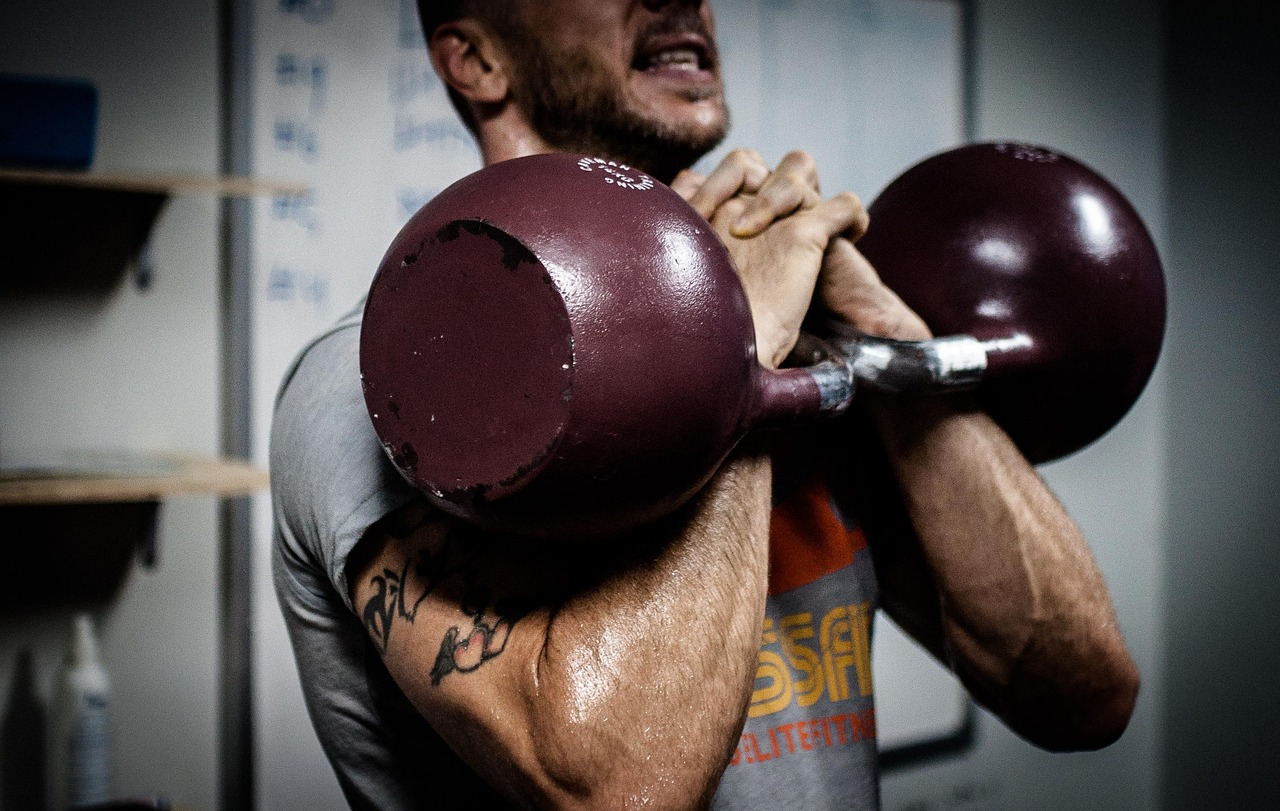
There are several kettlebell exercises specifically designed to enhance flexibility. Incorporating these key moves into your routine can yield incredible results. For improved hip flexibility, consider exercises like the Kettlebell Goblet Squat. This move involves squatting deeply while holding a kettlebell close to your chest, promoting hip and knee flexibility. Another effective exercise is the Kettlebell Windmill, which stretches the glutes and hamstrings while engaging core muscles, improving overall body flexibility. Additionally, the Kettlebell Turkish Get-Up is an excellent full-body exercise that increases flexibility in various muscles while also enhancing balance and coordination. It’s an intricate movement that requires flexibility in the hips and shoulders. Furthermore, including basic swings and snatches in your kettlebell program can contribute greatly to dynamic flexibility. Each of these exercises offers unique benefits, and rotating them into your workout can help prevent monotony. Ensure that you practice good form and control when performing these exercises to derive maximum benefits and avoid injuries. Experimenting with different routines allows for shared growth in both strength and flexibility.
Post-workout stretches are essential for ensuring muscle recovery and maintaining improved flexibility gained from kettlebell workouts. Spend time engaging in static stretching to elongate tight muscles after performing kettlebell movements. Some effective post-workout stretches include the seated forward fold and the standing quad stretch. Such stretches relax the body and help mitigate soreness that can arise from intense kettlebell workouts. Engaging in activities such as yoga or Pilates on rest days can further enhance flexibility and promote recovery. These complementary practices focus on alignment, breathing, and controlled movements, which can enhance flexibility gained through kettlebell training. Additionally, foam rolling can assist in myofascial release, helping any tight muscle fibers recover adequately. As your flexibility improves, you may find that performing kettlebell exercises becomes more comfortable, enabling you to push your limits further. Consistency in stretching and mobility work is vital for preserving flexibility over time. The cumulative effect of consistent kettlebell training combined with dedicated stretches can lead to a significant transformation in overall flexibility and fitness levels. Eventually, you’ll find that your body responds better during various physical activities.
Benefits of Improved Flexibility
Improving flexibility through kettlebell training offers numerous benefits that go beyond just physical performance. One significant advantage is reduced risk of injury. Increased flexibility helps protect muscles and joints during workouts, allowing for safe movement without strains or sprains. Enhanced flexibility also translates into improved posture, providing better alignment of the body during daily activities. This can result in decreased back pain and discomfort, making everyday tasks easier and more enjoyable. Furthermore, better flexibility can lead to increased blood circulation, delivering oxygen to essential muscles. The benefits of flexibility extend into better athletic performance as well, enabling greater power output during explosive movements. Athletes particularly find that enhanced flexibility aids in faster recovery from intense workouts, ultimately leading to improved stamina. Even those who participate in non-competitive activities can see marked improvements in mobility and daily movement patterns. Improved flexibility can enhance the effectiveness of other physical activities, leading to overall enhanced fitness levels. This emphasizes the importance of combining kettlebell training with dedicated flexibility work to achieve a well-rounded physique.
Kettlebell training offers a unique blend of strength and flexibility enhancement that’s crucial for athletes. Developing flexibility allows athletes to execute complex moves with greater ease and effectiveness. As strength and flexibility intertwine, individuals can benefit from improved function and power in sports and fitness, resulting in a competitive edge. A well-balanced program will include dynamic kettlebell movements that target flexibility and strength simultaneously. Thus, focusing on developing flexibility through kettlebell routines demonstrates not only an appreciation for the principles of strength but also a commitment to overall fitness. The link between adaptability and performance cannot be overstated; flexibility allows for greater movement quality, which can affect all physical pursuits. Using kettlebells within a structured program ultimately leads to better mechanics during sports practices, drills, and events. Kettlebell flexibility routines encourage proper movement patterns ingrained over time, allowing for a more fluid and harmonious workout. This consistency in training promotes an evolved athlete, making it paramount to prioritize flexibility work alongside strength training in kettlebell programs to reap the full benefits. Getting started can pave the way for long-term progress and success in fitness endeavors.
Conclusion
In summary, kettlebell flexibility training contributes significantly towards achieving an efficient and effective workout. Integrating stretching sequences with dynamic kettlebell movements has a positive effect on overall fitness and performance. By focusing on essential exercises and incorporating them into a balanced routine that encourages flexibility, athletes can achieve remarkable results. As you embark on your kettlebell training journey, remember to pay attention to proper form and progression. This mindful approach leads to enhancing flexibility while minimizing injury risks extremely crucial for any athlete. By combining kettlebell training and focused flexibility work, you create a synergistic effect that improves both strength and range of motion. Understanding the science behind this training will empower you in making informed decisions regarding your workouts. Balancing strength with flexibility is the key to achieving optimal fitness levels leading to peak physical performance. With the right mindset and dedication, kettlebell flexibility training can transform not just your body, but your overall approach to fitness. Embrace this journey fully, incorporating lessons learned into everyday life, and see how kettlebell training empowers both body and mind.
Your journey into kettlebell flexibility can truly reshape your life. Utilize the insights collected from these routines to spark peak performance across all domains.